
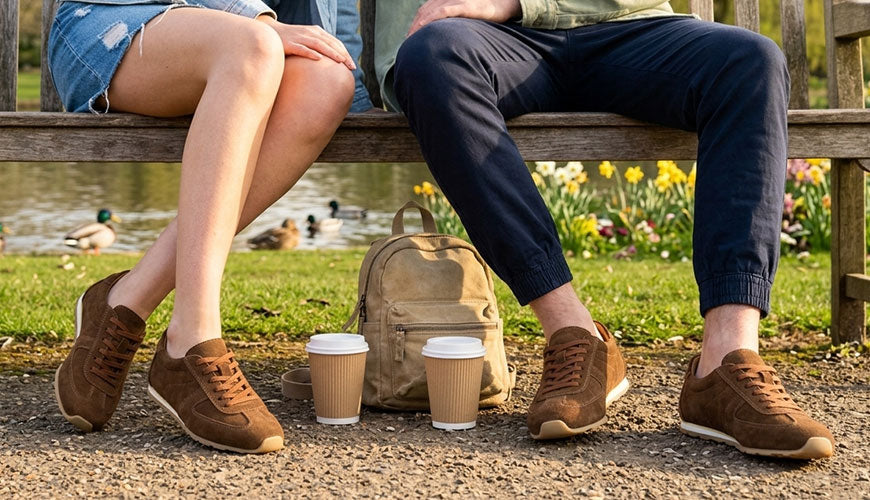
Long weekends seem easy on paper: a few plans put together, a couple of train rides, maybe a day out with friends or family. In reality, May Bank Holiday days often turn into surprise endurance events — extra walking because attractions are busy, diversions because the car park is full, and "just one more stop" because you finally have time.
Add in the usual spring weather in the UK — cool mornings, warm afternoons, and sudden showers — and your shoes have a lot to deal with. The best walking shoes for a long weekend don't have to be high-tech. They are the ones that keep you comfortable on changing surfaces, in changing weather, and at different speeds: station platforms, cobblestones, country lanes, parks, and pub gardens.
A Quick Summary
- Fit should come first: secure heel, roomy toe box, no pressure points, and enough width to allow for swelling after a long day.
- Pick cushioning that fits your plan: softer for city breaks and firmer, more stable for long country walks.
- Make sure the outsole bends at the ball of the foot and has good grip, especially on wet paving and footpaths.
- Choose materials that handle moisture and consider a protector spray before you leave if rain is likely.
- Look for a supportive midsole and a stable heel instead of ultra-thin, floppy soles.
- Break in new shoes with short walks at home first; don't debut them on a long walk.
- Bring a blister kit: plasters, tape, and an extra pair of socks can save a whole weekend.
- For a long weekend, the ideal number is usually one "walking-first" pair and one "nice but comfy" pair.
- Clean and dry shoes properly after a wet day to keep them comfortable and lasting longer.
Why May Bank Holiday Weekends Are Hard on Shoes
Long weekends seem relaxed, but they often pack in more walking than a normal week. Add UK spring weather — cool mornings, warm afternoons, sudden showers — and your shoes face a real test. The best walking shoes don't need to be technical. They just need to keep you comfortable across changing surfaces, weather, and speeds.
What Makes a "Walking Shoe" for a Long Weekend?
A walking shoe doesn't have to look like an outdoor boot. It's any pair that keeps you comfortable on your feet for hours with minimal rubbing and good traction.
In practice, that usually means:
- A sole that gives support and cushioning, not just softness
- A heel that feels secure (less slipping means fewer blisters)
- Enough midfoot support to stop your foot "working overtime"
- An outsole that grips well on wet pavements and light trails
- Materials that handle spring weather (breathable and, ideally, easy to clean)
If you want one pair to work with most outfits, aim for "walkable smart-casual" — supportive, grippy, and presentable enough for town without looking like you're heading for a summit.
Fit and Comfort Checks Before You Buy
Even the most comfortable shoe in the world will hurt if it doesn't fit right. Use these checks whether shopping online or in person.
The Heel Hold Test
When you walk, your heel should feel held in place. A little movement is normal, but significant slipping is a blister waiting to happen, especially after a few hours. Lace-up styles or adjustable straps usually give a more secure heel than slip-ons.
The Toe Box Check
Your toes need room to spread, especially if you plan to walk a lot or your feet swell in afternoon heat. You should be able to move your toes without the upper pressing down.
The "Hot Spot" Scan
Watch for any rubbing around the collar, tongue, or little toe joint. A slight rub you barely notice in a shop turns into a real problem on a long weekend.
The Bend and Twist Test
A good walking shoe should bend at the ball of the foot (where you naturally push off) and not twist like a tea towel. Too floppy and your feet work harder. Too stiff and they feel clunky in the city. You want a reasonable middle ground. Our sole material guide explains how different soles affect this balance.
Try Again Later in the Day
Feet can swell slightly as the day goes on. If possible, try on shoes in the afternoon. If not, do a second fit check with the socks you plan to wear.
The Best Shoe Types for May Bank Holiday Walking
Different weekends need different pairs. Here are the categories that usually work and what to look for in each.
Cushioned Trainers: City Breaks and Long Days on Hard Surfaces
If your long weekend is mostly spent on pavements, in museums, at cafes, shopping, and on public transport, a well-cushioned trainer is usually the best choice.
Look for:
- A midsole that feels supportive but not mushy
- A stable heel base (your foot shouldn't feel like it's tipping)
- An outsole pattern that grips well and doesn't get slippery on wet pavement
- Breathable uppers if you run hot
Avoid: ultra-soft soles that feel great for 10 minutes but become unstable for 10,000 steps, and flat, thin soles with little cushioning for all-day walking.
Style tip: neutral trainers (black, white, tan, stone) are the most versatile and carry from day to night. For a slightly smarter look, choose shoes with cleaner lines and fewer technical overlays.
Lightweight Walking Shoes: Parks, Coastal Paths, and Mixed Terrain
For walks in the country, along the coast, or through parks, you'll appreciate more grip and a slightly more protective upper.
Look for:
- A tread pattern with clear edges for traction
- A toe bumper or stronger toe area (helpful on rocky paths)
- Uppers that can handle occasionally wet grass
If you plan to walk near the coast, remember that saltwater and sand are harsh on materials. A shoe that is easy to clean will last longer.
Supportive Leather Shoes: "Walk Smart" Weekends
Sometimes you want a shoe that looks polished — dinner with friends, sightseeing plus evening plans. A supportive leather shoe can do a lot of work here.
Check for:
- A comfortable insole and a midsole that absorbs some shock
- A good fit (laces help; some slip-ons work if they fit well around the heel)
- A sole that actually grips, not a flat fashion sole
Leather is a great material for long weekends — strong and easy to clean — but it should be protected from bad weather.
Loafers and Moccasins: Easy Packing and Softer Days
When chosen carefully, loafers and moccasins can be great for a long weekend. They are easy to pack, easy to put on, and can look "put together" immediately. The risk is picking pairs with thin soles and no structure.
Check for:
- A slightly thicker sole with cushioning
- A heel that stays in place
- Soft uppers that don't pinch the top of the foot
If you plan to walk a lot, don't rely on loafers as your only pair. Use them as your "smart comfort" second pair, unless you already know they handle long walks well on your feet.
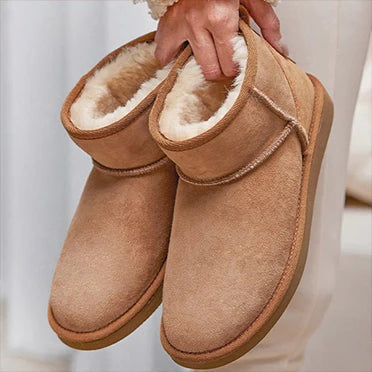
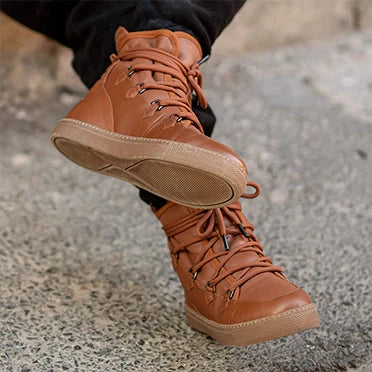
Ankle Boots: Chilly Nights and Changeable Weather
May can still be cold, especially at night. A comfortable ankle boot built for walking (not just looking good) can be a great choice.
Look for:
- A low, stable heel (or flat) that makes good ground contact
- A flexible forefoot that allows natural walking
- A sole that grips wet pavements
- Enough space for socks without cramping
Avoid: very narrow toes if you walk a lot, and very stiff boots that take forever to soften. Lightweight ankle boots with cushioned insoles can be a great middle ground.
Sandals: For Those Rare Hot Spells
Some May Bank Holiday weekends fall during a warm spell. If you overheat easily or you're heading to a sunnier part of the UK, supportive sandals can be a good option.
Check for: adjustable straps (especially over the instep), a footbed that supports your arch, and a grippy sole.
Avoid: completely flat footbeds for long hours, and hard edges that dig in when feet get warm. Choose sandals built for all-day comfort rather than minimalist holiday styles.
How to Pick the Best Pair for Your Specific Plans
If you only want one pair, choose based on the hardest day of the weekend.
Mostly City Walking (Pavement)
Cushioned trainers or supportive leather shoes. Focus on heel support and shock absorption. Grip matters — wet pavement is surprisingly slippery.
Mixed Plans: City, Parks, and Light Trails
Lightweight walking shoes or stable trainers with good tread. Focus on grip, comfort, and easy-to-clean uppers.
Countryside or Coastal Walking
Walking shoes with clear grip and a more protected toe. Focus on traction, stability, and weather resistance.
Family Outings (Stop-and-Start Walking)
Comfortable shoes that can handle a lot of standing. Focus on cushioning and uppers that don't create pressure points.
If you're driving a long way this weekend, remember that feet can swell after sitting. A little extra toe room isn't a luxury — it's practical.
Comfort Features That Really Matter
Marketing terms can be vague, so it helps to know what genuinely makes a difference.
Cushioning vs Stability
Cushioning softens impacts. Stability helps your foot move efficiently without fatigue. For long weekends, you often want both: padding for hard surfaces, and stability so you don't flag halfway through the day. A very soft but unstable shoe can feel great at first but tire you out later.
Arch Support and Insoles
Some people prefer built-in support, others like a flatter feel. The safest approach is a shoe that gives "enough" support without forcing your foot into a shape it doesn't like. If you already wear insoles, bring them to the fitting or make sure the shoe's insole is removable.
Weight
A heavier shoe can feel reassuring, but it adds up over a long day. If you walk a lot, lighter shoes often feel better — as long as they stay stable.
Breathability
Sweaty feet increase friction, and friction causes blisters. Breathable uppers and moisture-managing socks can make a real difference on spring and early-summer weekends.
How to Break In Shoes Properly and Prevent Blisters
Most shoe regrets come from wearing a new pair for a full day too soon.
Step-by-Step Break-In Plan
- Wear them indoors for 20–30 minutes, including stairs.
- Take two short neighbourhood walks (15–30 minutes each).
- Do one longer walk before the trip (45–60 minutes).
- Only then use them for a full day.
Pack a Small Blister Kit
- A few blister plasters
- Sports tape or zinc oxide tape
- A spare pair of socks
- A small tube of anti-chafe balm (optional but helpful)
If you feel a hot spot during the day, stop and deal with it immediately. "Pushing through" is how blisters ruin weekends.
The Two-Shoe Packing Strategy
If you can pack two pairs, you give your feet more options and lower the risk of rubbing in the same spot.
A good mix:
- Pair 1: your "big walking day" shoe — trainer, walking shoe, or boot.
- Pair 2: your "nice but comfy" option for evenings and easier days — loafers, supportive leather shoes, or sandals in warm weather.
If your shoes get wet, rotating pairs also helps them dry out. For more on building a smart shoe rotation, our article on transitional style from winter into spring covers how to shift between seasons without overbuying.
Weatherproofing Without Overthinking It
If Rain Is Likely
- Choose materials that handle moisture when you can.
- Spray on a protector before you go (especially for nubuck or suede).
- Bring a small cloth or wipes for quick cleanups.
If It's Hot and Dry
- Prioritise breathability.
- Consider sandals or lighter socks.
- Skip heavy, insulated shoes unless you're genuinely cold.
Common Mistakes When Buying Walking Shoes for Long Weekends
Buying Only for Looks
A stylish shoe with a flat, hard sole might feel fine for dinner but terrible after a day of walking.
Ignoring Width
If a shoe is too narrow — even at the "perfect length" — it can rub, especially around the forefoot.
Forgetting the Socks
Sock-shoe compatibility matters. Thick socks can change fit, and thin socks can make some shoes more slippery. Try on the combination you'll actually wear.
Choosing Super-Soft Soles for Long Days
Soft soles feel good initially, but some ultra-soft options become unstable or fatiguing later. A balanced midsole often wins.
Debuting New Shoes on the Big Day
Comfort has to be earned. Wear your shoes a few times before you leave.
A Quick Checklist for Choosing the Right Pair
- Does the heel feel secure when you walk?
- Is there room for your toes to move?
- Any rubbing or pressure points within five minutes?
- Is the sole stable and supportive, not just soft?
- Is the outsole grippy enough for wet pavements?
- Do the materials work for UK spring weather?
- Can you see yourself wearing them for six to ten hours?
If you say "no" to any of these, keep looking. Our guide on what to look for in a podiatrist-informed pair goes deeper on the health side of fit.
How to Style Walking Shoes So You Still Look Put Together
- Pick shoes in a neutral colour and match them with your bag or jacket.
- Wear trainers with straight-leg jeans or a midi skirt and a light trench for a classic UK spring look.
- For evening plans, pair ankle boots with relaxed trousers and a knit.
- Use socks to style: clean, comfortable socks can make trainers look sharper and reduce slipping.
After the Weekend: Cleaning and Care
A quick reset after your trip keeps shoes comfortable and ready for the next outing.
- If shoes get wet, let them air-dry naturally (never direct heat).
- Brush off dried dirt before wiping, especially on suede.
- Use the right cleaner and protector for the material.
- If shoes have picked up heavy creases, stuff and shape them.
Material integrity is often what makes shoes comfortable — soft uppers and clean soles tend to feel better for longer. For a full post-walk care routine, our care tips for keeping shoes looking new is a great reference.
Frequently Asked Questions (FAQ)
Are trainers always the best shoes for a long walking weekend?
Not always. Trainers are great for city walking, but for mixed terrain or cooler weather, supportive leather shoes, walking shoes, or comfortable ankle boots might be better.
How far can you walk in loafers or moccasins?
It depends on the pair and your feet. Thin soles and heel slip make things uncomfortable quickly. With cushioning and a good fit, they can handle moderate city walking.
Should I size up for a long weekend?
If you expect swelling, sizing up can help, but it can also cause heel slip and rubbing. A better approach is choosing the right length with a slightly roomier toe box or wider fit where needed.
What kind of outsole works best on wet pavements?
Rubber outsoles with clear edges and tread patterns. Very smooth soles get slippery on wet stone and paving.
Do I need waterproof shoes in the UK in May?
Not always. For most spring showers, water resistance and a protector spray may be enough. If you're doing extended countryside walking or visiting consistently wet areas, more weather protection is useful.
How can I stop the back of my shoe from rubbing my heel?
First, check the fit — heel hold is crucial. Wear the socks you plan to use and consider blister tape on the area before a long day. If rubbing is immediate and persistent, the shoe shape may not suit your heel.
Does everyone need arch support?
No. Some people prefer more supportive footbeds, others prefer simpler ones. What matters is that your foot feels stable and comfortable over time, not just for the first few minutes.
Can I break in shoes on the road?
It's risky. It's safer to wear them in for short periods before you go. If you must, bring blister plasters and rotate so you can rest any sore spots.
What socks are best for walking on long weekends?
Socks that manage moisture and reduce friction. Avoid ultra-thin socks with trainers if you're blister-prone. With boots, choose socks that cushion without making the fit too tight.
Walking shoes or ankle boots?
Walking shoes if you want lighter and more breathable. Ankle boots if you want warmth and more flexibility across different weather. A boot with a flexible forefoot, stable sole, and secure fit can be excellent for a long weekend.
Should I clean shoes straight after a muddy walk?
Yes. Let mud dry, then brush it off. Wipe down or clean depending on the material. Leaving dirt and moisture on shoes can stiffen uppers and shorten their lifespan.
What is the best "one pair only" option?
A stable, cushioned trainer or lightweight walking shoe with good grip is the best single-pair choice for most May Bank Holiday weekends. Comfortable enough for long days and versatile enough for UK spring.