

Quick Summary: Styling Sheepskin Boots for the UK Shoulder Season
- Dress for cold mornings and warmer afternoons (the UK’s ‘changeable weather’ season).
- Choose a pair that has a sturdy grip and a shape that goes well with lighter clothes.
- Keep hems neat: cuffs that are cropped and neat make boots look less heavy.
- To make boots feel more like spring, wear thinner socks.
- Before heavy wear, protect the upper, then brush off dirt often.
- Let wet boots dry naturally, away from heaters and direct heat.
- Rotate pairs so the inside can air out between days.
- Switch to lighter shoes when the weather stays warm, and make sure to store your boots correctly.
Why Spring Is a Difficult Season for Shoes in the UK
Spring is not often stable. You might have bright sun and a cold wind, drizzle that makes the streets slippery, and grit that sticks to suede-like finishes. Boots often stay in style longer than many delicate spring shoes because they can handle those realities better. However, they need to be styled a little differently to avoid looking like "leftovers from winter".
Why Sheepskin Boots Can Work Beyond Winter
What Is Sheepskin and Why It Regulates Temperature
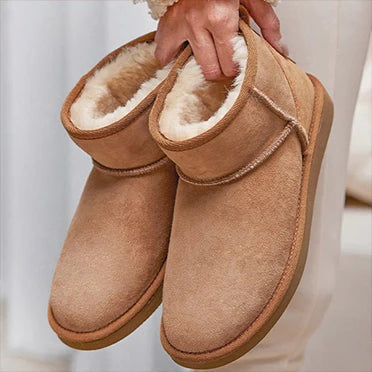
Sheepskin has a leather side that gives it structure and a wool side that touches the foot. Many people find it comfortable in a wide range of temperatures, especially when they wear lighter clothes and go in and out of heated buildings.
A lot of the time, comfort is more about the clothes than the boots.
If your boots feel too wintry in the spring, it's probably because the rest of your outfit is still wintry, like a thick puffer, a chunky scarf, and a heavy knit. If you switch to a trench coat or a lighter jacket, the boots look more useful than seasonal. This balance explains how sheepskin regulates temperature so effectively during the UK’s changing spring weather.
Better Grip on Wet Spring Streets
The ground is very slippery in early spring. A stable tread and a grippy sole can make the difference between feeling safe on a wet commute and having to walk around puddles. This practical grip is one reason sheepskin boots for wet weather remain popular well beyond winter in the UK.
Choosing the Right Sheepskin Boots for the Shoulder Season
Shaft Height and Overall Boot Shape
Lower-profile styles usually feel more like they're in between than tall, heavy winter boots. If you have more than one pair, save the one that looks the most insulated for the coldest weeks. For March and April, wear a low-calf or ankle shape.
Sole Thickness and Tread for Spring Weather
Put these things first:
- A visible grip
- Enough thickness to keep you off cold ground
- A shape that doesn't make lighter trousers look bad
If you buy now, you'll be glad you did on rainy days because of the traction.
Spring-Ready Colour Choices
Darker colours conceal splashes well, but softer neutrals can look lighter in the bright light of spring. Either one will work; the most important thing is to keep the finish clean by brushing and spot cleaning quickly.
If you want to compare styles with a spring mindset, start with a shape that works with denim, stone, navy, and lighter outerwear.
Fit and Sock Strategy for Changing Temperatures
When the temperature rises during the day, thick winter socks can make boots feel too warm. A thinner, more breathable sock can often make the "wearable window" last longer into spring, and it also makes the ankle area look less bulky.
If you're between sizes, think about how you really wear your boots in the spring. A snug fit is crucial if you prefer thinner socks and walk more. If you get cold easily and wear thicker socks, you might want a little more room. If you're not sure, walk around inside for a little while and pay attention to how much space there is between your heels and toes.
What to Look for When Shopping for Spring-Appropriate Boots
You don't have to remember specs, but these details can make shoulder-season clothes easier to wear:
- Stitching that looks neat and strong around areas that get a lot of water.
- A sole edge that feels stable instead of flimsy.
- A collar that feels good against bare ankles if you don't always wear thick socks.
- An insole that can be taken out to air out or swap (good for freshness).
A Practical Spring Routine for Wearing Sheepskin Boots
When the weather looks "unhelpfully mixed", a simple routine keeps you comfortable.
Check the Ground, Not Just the Sky
Choose the pair with the best tread if the sidewalks are wet, and keep your hemline higher.
Dress for the Coldest Part of the Day
Boots make sense if your first hour is a windy walk to the station. If you stay inside, wear lighter clothes to avoid overheating.
Add One Spring-Forward Element
If you want to keep your boots on, make your jacket lighter (trench, denim, or shacket) or pick denim that is brighter. One spring cue is usually enough.
Plan for Drying and Airing Boots at Home
If there is a chance of rain, plan ahead for where you will dry and air out the boots when you get home. It sounds simple, but it's what keeps things from getting damaged and smelling bad.
How to Style Sheepskin Boots from Morning to Afternoon
Everyday Denim Looks
When hems are controlled, sheepskin boots look best with denim:
- Cuff straight-leg jeans so that the hem is just above the boot.
- Try cropped denim to keep the outfit from looking too heavy.
- Stay away from puddle hems that pick up dirt and water.
You can wear this with a light knit, striped tee, or sweatshirt to make it look like you're not stuck in winter. Thoughtful proportions and layering are essential when styling sheepskin boots outside the winter months.
Smart-Casual City Outfits
To make boots look like they were meant to be worn, make everything else a little sharper:
- Trousers that are tapered or straight-leg and clean.
- A trench coat or mac-style coat.
- A fine knit or shirt under a blazer.
This look stays polished even when the weather isn't because of the structured bag and few accessories.
Skirts and Dresses Without a Winter Feel
With the right balance, this can look modern:
- A midi skirt, a crew knit, and a cropped jacket.
- A shirt dress, a trench coat, and boots.
When the weather gets warmer, think about wearing lighter deniers if you wear tights. The visual weight of tights is what makes an outfit feel wintry. On days when it's not too hot, you can keep the outfit balanced by wearing bare legs and a longer trench instead of tights.
Weekend Walks and Outdoor Wear
For parks and dog walks, go for function: leggings or slim joggers, a light waterproof layer, and boots that you don't mind cleaning off later. In this case, sheepskin boots look smart, not seasonal.
Layering Tricks That Make Boots Look Spring-Ready
Changing the jacket is the quickest way to "spring up" boots.
Lighter outerwear is better.
Trench coats, macs, denim jackets, shackets, and quilted gilets all go well together. These pieces make the boots look lighter, which makes the outfit feel seasonal even if the shoes stay the same.
Get the proportions right.
Keep the rest of your stuff neat if your boots are warm and sturdy:
- Stay away from fabric that bunches up at the ankle.
- Pick cleaner lines for your trousers.
- Use one soft piece (like boots) and keep the others sharp (like a coat, bag, or denim).
Instead of buying many new shoes, you can often do more for your transitional wardrobe by rotating a few lightweight layers.
When to Switch from Boots to Lighter Shoes
There isn't a single day to put away boots. Look for patterns instead:
- You feel too warm inside even with thin socks.
- You always reach for lighter outerwear.
- The streets are mostly dry and clean.
- Your outfits start to look mismatched because everything else has switched to spring fabrics.
A slow change works well: wear sheepskin boots in the morning and on rainy days, and switch to lighter shoes in the afternoon when it's dry.
If you want an effortless bridge, look for shoes that can handle a sudden rain shower. Loafers with a stronger sole, trainers that you don't mind wiping down, or a lighter ankle boot are all good options.
Spring Care Tips to Keep Sheepskin Boots Looking Fresh
Spring can be harder on boots than deep winter because the mess is always there: pollen, dust, grit, and splash marks. A simple routine keeps them looking attractive. A consistent sheepskin boot care routine in spring helps prevent long-term wear and surface damage.
Protect Before Heavy Wear
Use a protector spray that is made for the type of upper material on your boots. Follow the directions on the product, use it in a well-ventilated area, and try it on a small, hidden area first.
Daily Brushing and Spot Cleaning
A soft brush gets rid of dirt on the surface before it sets in. A quick brush in the spring can keep your boots from looking worn weeks before you want to put them away.
Drying Boots the Right Way
Let the marks dry, brush the nap back into place, and use a special cleaner instead of regular soaps if you need to. Don't soak the upper; it's better to work on small areas carefully.
If you still have salt marks from late winter in the spring, don't scrub them. Usually, it's safer to clean a spot gently and often than to do it all at once.
Airing Out Between Wears
If your boots get wet, dry them with a clean cloth, stuff them with paper to keep their shape, and leave them at room temperature away from heat. After it dries, lightly brush it to bring back its texture.
How to Store Sheepskin Boots After the Season Ends
After you wear them, open the boots and let them dry out in a dry place. You can make the inside of your shoes feel better by rotating them. Even a one-day break can help. Take out the extra insole and let it air out on its own.
If you want to wear your boots all the way through the shoulder season, it's a good idea to have the right care products and advice on hand.
Common Mistakes to Avoid in Spring
A little work at the end of the season will save you time later.
- First, lightly clean: brush and spot-clean so that dirt doesn't stay in the material for months.
- Make sure they are completely dry before putting them away.
- Keep the shape by stuffing it with paper or using boot shapers.
- Keep them cool and dry. Don't put them in lofts that get hot or corners that are damp, as they can cause mould.
- Protect again at the start of the next season: a quick spray of protector can help before the first time you wear it.
Things You Should Not Do
- Keeping the whole winter outfit: start by switching to lighter outerwear.
- Letting hems drag through puddles or dirt makes boots look messy and adds bulk.
- Skipping protection and then scrubbing hard later: protection keeps the finish more even.
- Drying near radiators or in direct sunlight can quickly change the shape and texture.
- Wearing the same pair every day without airing them out: the inside does better when it gets a break.
Frequently Asked Questions About Wearing Sheepskin Boots in Spring
Can you wear sheepskin boots when it rains in the spring?
If you take care of your boots and dry them well after getting wet, light rain and splashes are usually not a problem. When you can, stay away from heavy rain or ground that is already wet.
Will sheepskin boots be too hot when spring comes?
If you wear thick socks or if the weather stays mild all day, they can be. They usually last longer if you wear thinner socks and lighter layers, especially on cooler mornings.
What kinds of clothes make sheepskin boots look less like winter?
Trench coats, denim jackets, lighter knits, and hems that are shorter all help. Try to make the lines cleaner and the bulk around the ankle smaller.
Should you wear tights with sheepskin boots in the early spring?
Yes, especially when it's cold outside and you're wearing a skirt or dress. Lighter tights can help the outfit stay in season as the weather gets warmer.
How do you get rid of splash marks?
Protection spray helps, and brushing them every day keeps dirt from getting stuck. If you see marks, let them dry completely before brushing and cleaning them.
Can you wash sheepskin boots in a machine?
Most of the time, no. Washing machines can hurt the structure and finish. It's safer to use specialist products and clean spots gently.
How often do you need to put on protector spray again?
It depends on how much you wear it and what the weather is like. If you are out in the rain a lot, you may need to put it on more often than if it is dry. Follow the instructions for the protector product.
How do you dry sheepskin boots the best after they get wet?
Blot them, stuff them with paper, and let them dry at room temperature, away from heat. After they are dry, lightly brush them to bring back their texture.
Do sheepskin boots get bigger over time?
They usually get a little softer with use, but this depends on how they were made. Pick a fit that feels comfortable right away.
When is the best time to put away your sheepskin boots for the season?
When the weather is consistently mild and dry, clean and protect them, then put them in a cool, dry place to get them ready for autumn.
Final Thoughts: Making Sheepskin Boots Look Intentional, Not Seasonal
It's all about the situation when you wear sheepskin boots from winter to spring. When the weather is cold and the pavements are wet, they are one of the best things you can wear. Make the rest of your outfit lighter, keep the hems neat, and stay on top of brushing and protecting.
If you're updating your shoulder-season wardrobe, start with a boot shape that can be worn in many different ways and make a few simple outfits around it. When you're ready to shop, check out Pegia's sheepskin boots and other care items to keep your pair looking good long after winter. Explore Pegia sheepskin boots for women & men, designed to transition seamlessly from winter into spring.