
When the UK has a real warm spell, leather shoes can feel like the enemy — especially if you have to walk to the station, sit in a stuffy office, and then head out for dinner. But leather isn't always "hot." In a lot of cases, the problem is the wrong leather shoe: heavy linings, thick padding, and a design that seals your foot in.
Leather is a natural material that can be comfortable year-round because it bends, shapes to the foot, and handles moisture better than many plastic-based uppers. The key is to pick leather shoes that are made for warm weather — and then wear and care for them properly.
A Brief Summary
- Breathability in leather shoes depends on the upper, the lining, and how much of the foot the shoe covers — not just the leather itself.
- Look for uppers that are unlined or only lightly lined. Avoid heavy synthetic linings that trap heat.
- Suede and nubuck often feel lighter than shiny leathers because they are softer and more flexible (but still need protection).
- You don't have to switch to sandals for better airflow. Perforations, cut-outs, and woven leather designs can help.
- For summer, pick lighter colours and slimmer profiles. Dark, thick uppers absorb more heat in direct sunlight.
- Make sure there is enough toe box room and a secure heel. Swelling on hot days can turn "fine in the morning" into rubbing by late afternoon.
- Rotate pairs and let shoes dry completely between wears — moisture is what makes shoes feel damp and stale.
- Summer care means gentle cleaning, light conditioning, and protecting leather from UV (shade storage helps).
- A breathable loafer, moccasin, or lightweight lace-up with a flexible sole is often the best choice for commuting and city days.
- The right socks matter as much as the shoes. Thin cotton or wool-blend dress socks often feel better than thick sports socks.
What Makes a Leather Shoe "Breathe"?
Three things determine breathability:
Upper Material and Finish
Softer leathers with less heavy coatings tend to feel less stifling than highly corrected, glossy finishes. Suede and nubuck can feel cooler because they are often softer and used in lighter constructions.
Lining and Internal Structure
If the inside of a shoe is built like a winter boot, it can feel sweaty even if the outside is beautiful leather. The biggest warning signs are thick synthetic linings, heavy foam padding around the tongue and collar, and fully sealed internal layers that trap warmth.
Airflow and Coverage
A closed Derby can be breathable if it's made with light materials. But for maximum airflow, consider loafers, moccasins, driving shoe styles, or slingbacks and mules when appropriate.
Common Summer Mistakes That Make Leather Shoes Feel Hotter
Buying the Same Shoes You Wear in Winter, Just in a Lighter Colour
Most "smart" shoes are built for durability. A slightly softer, more flexible shoe usually feels cooler to walk and stand in during summer.
Choosing a Fully Lined Shoe for Sockless Wear
If you go sockless or wear no-show socks, a too-structured lining can feel sticky and rub. You want the inside to feel smooth, airy, and not over-padded.
Wearing the Same Pair Every Day
Shoes need recovery time. Even "breathable" pairs will feel warmer if they don't dry out completely between wears.
Over-Conditioning in Summer
Conditioner is important, but too much can make leather feel heavier and clog the surface. In summer, light and targeted beats heavy and frequent.
The Best Leather Types for Hot Summer Days
Soft, Flexible Leathers
Flexible leathers usually feel cooler because they move with your foot and don't create rigid hot spots. They are often ideal for moccasins and loafers.
Suede and Nubuck: The Light Feel
Suede can be a summer hero — it looks smart-casual, isn't as stiff as many polished leathers, and pairs beautifully with linen, cotton, denim, and summer tailoring. The catch is protection, especially in the UK where "hot day" can still mean surprise showers.
Perforated Leather: Maximum Airflow
Perforations can help release heat, especially in the toe box and side panels. Be realistic though: perforations help with airflow, but they don't turn a closed shoe into a sandal.
Woven Leather for City Heat
Woven leather uppers let air circulate while still looking neat and intentional. They're great for city days when sandals feel too casual. If you appreciate this kind of craftsmanship, our article on how leather is tanned with vegetables explains another side of the craft.
Breathable Shoe Styles That Still Look Good
You don't have to sacrifice style for comfort. These shapes usually work well in warm weather.
Loafers
Loafers are a summer essential — less coverage on top of the foot, often built with lighter materials.
Look for: a slimmer profile and lighter sole, minimal padding, softer leather or suede uppers, and a fit that's secure at the heel (so you don't grip with your toes).
Best for: smart-casual office days, pub garden evenings, dinner reservations that still need to look polished. Explore the women's loafers or men's loafers for summer-ready shapes.
Moccasins and Driving Shoe Styles
The lighter weight of moccasin constructions can make a real difference when pavements are hot.
Best for: weekends, city breaks, driving or travel days. They also look good with shorts (in a polished way) and relaxed trousers.
Lightweight Lace-Ups
If you need something more formal than a loafer — for work or occasions — look for a light Derby or similar lace-up that doesn't feel heavy.
Pick: thin, flexible soles (but not flimsy), less padding, and a lining strategy that allows airflow (ideally minimal).
Slingbacks, Mules, and Backless Styles
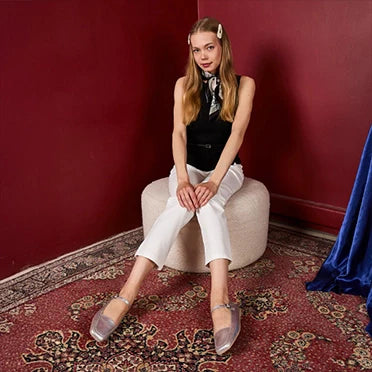
On truly hot days, backless styles can be a relief. They aren't ideal for every commute, but they're great for indoor offices, short walks, and social events where you want to feel cool without wearing sandals.
How to Choose Breathable Leather Shoes for Your Lifestyle
For Commuting and Long Days on Your Feet
Prioritise a secure heel fit, room for toes (heat swelling is real), a flexible sole with a lightweight upper, and a lining that doesn't feel like plastic. A breathable loafer or lightweight lace-up usually wins here.
For Office Dress Codes
If your job is more formal, material quality and construction create breathability — not open designs. Think light Derbies, minimalist loafers, or polished leather with a carefully chosen (not bulky) lining.
For Travel and City Breaks
Think about easy on-off, minimal break-in, and walking comfort. Suede loafers, moccasins, lightweight lace-ups, and a second pair for rotation are all good choices.
How to Fit Shoes in Hot Weather (When Feet Swell)
Summer fit is not the same as winter fit. Shoes that feel "perfectly snug" in a cool shop can hurt on a hot afternoon.
Summer Fit Checklist
- Toes can spread without pressure on the sides.
- Heel stays in place without slipping.
- You can walk comfortably without "gripping" with your toes.
- No hot spot across the top of the foot (a common loafer issue).
Socks or No Socks: What Actually Feels Cooler?
It may seem counterintuitive, but many people feel cooler with a thin sock than with bare feet inside leather. Socks help manage moisture and reduce friction.
Options: thin cotton dress socks, thin wool blends (comfortable across temperatures), or no-show socks with loafers (pick ones that don't slide).
If you go sockless, be stricter about rotation and drying time between wears.
Hidden Breathability Upgrades That Make a Real Difference
These small choices can have a bigger effect than obsessing over finding the "perfect" leather.
Rotate Your Shoes
Give each pair a full day off when you can. This lets the interior dry completely and keeps the shoe fresher.
Use Shoe Trees, Especially After Warm Days
Shoe trees maintain shape, prevent deep creasing, and help with drying. One of the simplest ways to make summer leather more comfortable over time.
Swap to Lighter Insoles
Some factory insoles are thick and warm. A thinner, more breathable insole can improve comfort — just make sure it doesn't change the fit too much.
Summer Leather Care: Keeping Shoes Comfortable in the Heat
Dry air, heat, and sun can all stress leather. In summer, sweat and dust also build up faster.
After-Wear Routine (2–3 Minutes)
- Let shoes air out before storing (don't seal them in a hot hallway cupboard).
- Wipe away surface dust and dirt with a soft cloth.
- If the inside feels damp, place them somewhere with good airflow (but not in direct sunlight).
- Insert shoe trees after shoes have cooled down a bit.
Dealing with Sweat Stains and Summer Dirt
- Smooth leather: wipe with a slightly damp cloth, then air-dry.
- Suede: use a suede brush when dry and a suede eraser for marks.
Don't blow-dry or leave shoes in direct sun for long periods. Fast drying can stiffen leather over time. For a full care walkthrough, our care tips for keeping loafers looking new covers the essentials.
Conditioning in Summer (Less Is More)
Use conditioner sparingly, especially on shoes you wear often. You want leather to stay supple, not saturated. Most of the time, a gentle routine beats heavy occasional treatments.
Choosing "Breathable" Without Giving Up Durability
A shoe that breathes beautifully can be great during a heatwave, but if you need a pair that lasts all summer, look for balance: a breathable upper, construction that still offers some protection, a sole that can handle city streets, and materials that won't break down after a few wears.
If you're unsure, start with a summer-weight loafer or moccasin style. This is usually the most versatile warm-weather shape for the UK. For help choosing the right sole, our sole material guide breaks down the options.
Frequently Asked Questions (FAQ)
Are leather shoes too warm for summer?
Not necessarily. What makes many leather shoes feel hot is heavy linings, thick padding, or stiff construction. Lighter, minimally lined leather shoes are comfortable in warm weather for many people.
What type of leather breathes the most?
The finish and build affect breathability more than the leather type alone. However, softer leathers, suede, and designs with perforations or woven panels often feel more breathable than heavily coated leather.
Is suede cooler than smooth leather?
Suede can feel cooler because it's often used in softer, lighter constructions. It still needs protection from sudden rain and stains. Our guide on spotting real vs faux materials can help you assess quality.
Can I wear leather shoes without socks in the heat?
You can, but comfort depends on fit and moisture management. Many people find that thin no-show socks feel cooler and cause less friction than going barefoot.
Do perforated shoes really help?
Yes, perforations can improve airflow, especially across the toe box and sides. They work best on warm, dry days but don't replace open shoes for full ventilation.
Why do my feet still feel sweaty in "breathable" shoes?
Common causes include wearing the same pair daily, thick insoles, synthetic linings, or moisture-trapping socks. Rotating shoes and letting them dry fully often makes the biggest difference.
How do I stop leather shoes smelling in summer?
Focus on drying time, rotate pairs, and keep the interior as dry as possible. Shoe trees and airing out after wearing help prevent lingering odours. For more on this, our sheepskin care guide covers the same moisture-management principles.
Should I size up for summer because feet swell?
Not always, but do allow some comfort room, especially in the toe box. A shoe that fits perfectly in the morning might not feel great later in the day.
What colour leather is coolest in the heat?
Lighter colours absorb less heat in direct sunlight and often feel more "summer appropriate." But construction and lining still matter most — colour is a secondary benefit on very sunny days.
How do I store leather shoes during a heatwave?
Keep them in a cool, well-ventilated spot out of direct sunlight. Don't leave them by windows or in hot cars — heat and UV can dry out and damage leather.
Does leather dry out faster in summer?
Yes. Warm air and sunlight can dry leather out over time, making it stiff. Light conditioning and avoiding harsh heat exposure keep leather supple.
Are thicker soles hotter?
Often, yes. Heavy footbeds and thick soles can trap heat and make feet feel less "light." A slimmer sole may feel better for summer walking, as long as it still meets your support needs.