
Quick Summary
- Sunlight can fade dye, dry out leather, and accelerate cracking, especially on toe creases and heel counters.
- Heat is the real villain — it pulls oils and moisture from leather and can warp shape if shoes dry too quickly.
- Sweat, salt, sunscreen, and dust are common summer stain sources. Treat them gently and early.
- Condition less often than in winter, but more consistently: light, thin layers beat heavy "oil soaks."
- Choose a protector that matches your leather type (smooth, suede/nubuck, or patent), and reapply after cleaning.
- Never dry leather shoes on a radiator, in direct sun, or in a hot car boot. Airflow and patience are key.
- Most summer damage is preventable with a simple weekly routine: wipe, dry, brush, and condition when needed.
- Store shoes with space, support, and airflow — shoe trees or stuffing, away from windows and moisture.
Why Leather Struggles in Summer
Leather is skin. It reacts to temperature changes, moisture loss, and UV exposure, much like our own skin does. When summer stress hits, it usually shows up as dryness, fading, or staining.
Sunlight and UV: Fading, "Ghost Lines," and Brittle Finishes
Direct sunlight doesn't just warm leather — it can alter dye pigments and weaken surface finishes over time. You'll often see it as uneven fading (one shoe lighter than the other) or lighter "ghost lines" where straps and seams shadowed the leather.
Heat and Dehydration: The Fastest Route to Cracking
Heat draws moisture and natural oils out of leather. When leather loses too much flexibility, the normal flex points — toe box creases, loafer sides, ankle bends in boots — start to look sharp and stressed instead of soft and smooth.
Sweat, Salt, Sunscreen, and Dust: The Summer Stain Mix
Most warm-weather stains come from a combination of sweat and body salts (especially sockless), sunscreen and aftersun oils (often brushed onto sandals and straps), dust and fine grit (which acts like sandpaper in creases), and summer rain that dries fast and leaves salt tidelines or water rings.
The good news: most of this is preventable with a "little and often" routine rather than one big seasonal clean.
Know Your Leather: Care Differs by Finish
Before you grab any product, make sure you know what you're treating. Using the wrong product can darken suede, cloud patent, or create slick patches that attract dirt.
Smooth Leather (Full-Grain, Top-Grain, Corrected-Grain)
The easiest to care for. Usually handles light conditioners, gentle cleaners, and protective sprays well. Shows summer dehydration clearly: dull surface, tight creases, a slightly "papery" feel.
Suede and Nubuck
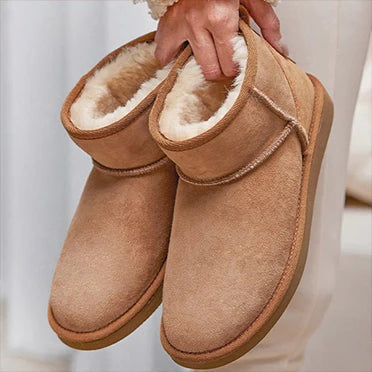
These finishes don't like oily products. They need suede-specific erasers, dry-brushing, and suede-safe protectors. Suede can look flat in summer (nap crushed by heat and dust) and develop dark spots from sweat or sunscreen.
Patent or Coated Leathers
Patent is a coated finish. It doesn't need conditioner the way smooth leather does — it needs a soft wipe, a patent-safe cleaner, and careful storage to prevent sticking and transfer marks.
Aniline or Vegetable-Tanned Leathers
These can absorb more moisture and be more sensitive to sun and stains. They look beautiful but are less forgiving. Take extra care: use less product, patch-test first, and focus on prevention. If you're curious about how vegetable tanning works, our article on how leather is tanned with vegetables explains the process.
If you're building a summer rotation, having at least one pair that's naturally forgiving — like a smooth leather loafer or trainer-style shoe — helps. Save your more delicate finishes for calmer days.
The Summer Care Routine: A Practical Weekly Plan
You don't need a 12-step process. You need a rhythm you can repeat to stop problems from becoming projects.
After Every Wear (2–3 Minutes)
- Remove surface dust with a soft brush or dry cloth (dust is abrasive).
- If needed, wipe down straps, toe, and heel counter with a barely damp cloth.
- Let them breathe: place shoes in a shady, well-ventilated spot for a few hours. Don't put them straight back in a box if you wore them sockless.
If the inside feels damp, switch to a different pair the next day. Rotation is a care product that doesn't get enough credit.
Weekly (10 Minutes)
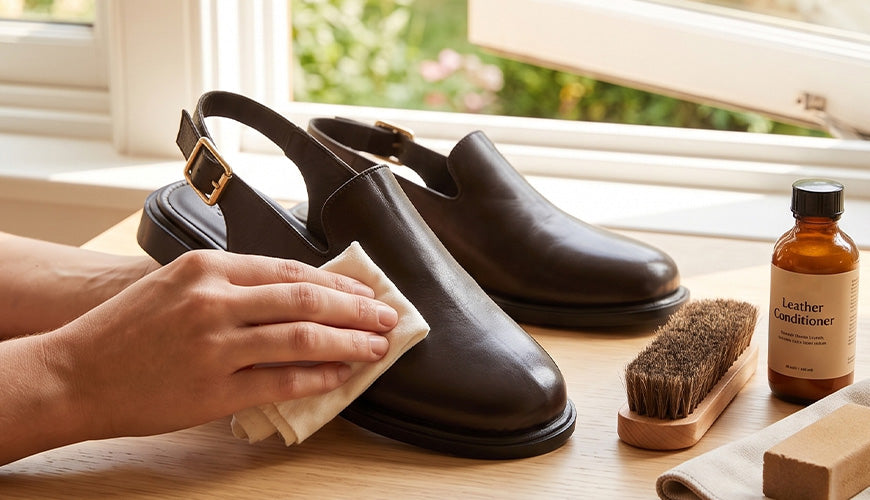
- Smooth leather: wipe down, let dry fully, then apply a thin layer of conditioner if it looks dull or feels tight. A light buff finishes it off.
- Suede/nubuck: brush to lift the nap, use an eraser for marks, and apply suede protector if needed.
- All types: check for grit in soles and edges (sand and tiny stones wear down edges surprisingly fast).
Monthly (or After Heavy Use/Travel)
- A more thorough clean using the right cleaner for the leather type.
- Reprotect — especially if you've been caught in summer rain, walked dusty paths, or travelled.
Cleaning Without Stripping: What to Use (and What to Avoid)
When cleaning leather in summer, you want to remove surface oils and salts without stripping the remaining moisture.
Safe Choices
- Soft brush and dry cloth for everyday dust and dirt
- Barely damp microfibre cloth for surface marks on smooth leather
- Leather-specific cleaner for sweat, sunscreen, or dirt build-up
- Suede brush and suede eraser for nap and marks
Things That Often Cause Damage in Summer
- Hot water (can stiffen leather and alter shape)
- Household detergents (often too harsh and drying)
- Baby wipes or wet wipes (can leave residue and marks)
- Alcohol-based wipes (can strip finish and colour)
- "Kitchen oils" (can darken leather, weaken it, and attract dirt)
If you're unsure, test on a small, hidden area first — like the inner heel or under a strap. Wait until fully dry before judging, as wet leather always looks different.
Summer Conditioning: Preventing Over-Drying Without Overdoing It
Conditioning replaces some of the oils and moisture that leather loses over time, keeping it flexible and less prone to cracking.
The common summer mistake is going too heavy because the leather looks thirsty. Over-conditioning can make leather feel sticky or too soft, attract dust and become a dirt magnet, darken lighter colours, and leave uneven patches around creases.
How Often to Condition in Summer
Use the shoe's behaviour as your guide, not the calendar. If leather looks dull, tight, or has "sharp" creases, condition lightly. If it still looks supple with a slight sheen, just clean and brush. Most smooth leather needs conditioning every 3–6 weeks in summer, though heatwaves, travel, and sockless wear can shorten that.
How to Apply (Smooth Leather)
- Clean the shoe and let it dry completely.
- Apply a small amount of conditioner with a cloth (think "thin film," not "cream layer").
- Let it absorb for 10–20 minutes.
- Buff gently to remove excess and restore a natural finish.
Buffing is what keeps shoes from looking greasy if you're wearing them to work. For a fuller routine, our care tips for keeping loafers looking new covers the essentials for smooth leather.
Choosing and Using Protectors: Shielding Against Sun and Water
In summer, protection is less about "waterproofing" and more about stabilising finishes and reducing absorption.
What Does a Protector Do?
A protector is typically a spray or cream that creates a barrier against moisture and stains. Some products claim UV resistance too, but the best UV defence remains simple: shade and proper storage.
Choosing the Right Protector
- Smooth leather: a quality protector cream or spray that doesn't leave heavy residue.
- Suede/nubuck: a suede-safe protector spray is essential.
- Patent/coated: clean and store properly; avoid products that cloud the finish.
Apply protectors to clean, dry shoes in a well-ventilated space. Several light passes are better than one heavy soaking. Let dry fully before wearing.
If you want to keep things simple, build a small care kit and stick to it: a soft brush, cloths, a leather-safe cleaner, a light conditioner for smooth leather, and a suede brush/eraser if you wear suede.
Rescue Guide: Quick Fixes for Common Summer Problems
Sweat and Salt Lines on Smooth Leather
- Wipe with a cloth dampened with cool water (not hot).
- Let dry slowly in the shade.
- If the leather feels tight afterwards, lightly condition and buff.
Don't scrub. Salt dissolves in water, and patience beats pressure. For stubborn winter salt marks, our guide on removing salt stains from leather boots uses the same approach.
Sunscreen or Oil Stains
Sunscreen is stubborn because it clings. Start slowly: blot fresh residue (don't rub), use a leather cleaner designed for oily dirt, and let dry fully before re-assessing. On suede, don't add water first — blot, let dry, then use a suede eraser and brush.
Dusty, Flat Suede
Brush in one direction first, then gently back and forth to lift the nap. Use a suede eraser on shiny areas. Reapply suede protector if shoes are worn outdoors regularly.
Stiff Shoes After Getting Wet
Stuff with paper (change it when it gets saturated) or use shoe trees. Dry in a cool, ventilated spot away from sun and radiators. Once fully dry, lightly condition smooth leather to restore flexibility. Leather that dries too fast is much more likely to crack later.
Scuffs from Hot Pavements and Sand
Summer pavements are rough. For smooth leather: clean first, apply a small amount of conditioner and buff. A colour-matched cream polish may help if the scuff has removed colour (test on lighter leathers first).
Travel and Storage: Beach Days, Festivals, and Heatwaves
A lot of summer shoe damage happens when they're not on your feet.
Don't Leave Leather Shoes in a Hot Car
A parked car can reach extreme temperatures. Heat can weaken adhesives, warp shape, and dry leather very quickly. If you must transport shoes, keep them in the cabin out of direct sunlight, in a breathable dust bag — not a sealed plastic bag.
Shape Support Between Wears
Shoe trees are ideal, but even paper stuffing helps prevent toe collapse and creasing. Shape support is even more important in summer because leather is already drier.
Store Away from Windows
Even indoors, direct sunlight through glass can fade leather. Choose a cool, dark, ventilated cupboard.
Give "Holiday Shoes" Recovery Time
If you wore the same pair daily on a trip, give them a day off when you get home. Air them out, dust them off, and condition if they look dry. That one reset usually prevents end-of-season cracking.
When to Repair vs When to Replace
Signs it's time to seek help (or retire a pair):
- Cracks that go deeper than surface creases
- Soles separating or wobbling (heat can weaken adhesives)
- Unevenly worn heel blocks (can affect gait and comfort)
- Persistent smell that won't respond to airing and cleaning
A cobbler can often re-finish soles, replace heels, and sometimes restore structure. This is usually cheaper and more rewarding than replacing good leather uppers. For more on when repair makes sense, our article on cost vs long-term comfort explores the value of investing in lasting footwear.
Frequently Asked Questions (FAQ)
Can I dry leather shoes in the sun?
No. Sun and heat dry leather too quickly, leading to stiffness, fading, and eventual cracking. Dry in shade with good airflow.
How often should I condition leather shoes in summer?
When they look dull or feel tight — not on a set schedule. Every 3–6 weeks is enough for most regularly worn smooth leather, with extra conditioning after getting wet or heavy travel.
Can I wear leather shoes in the heat without socks?
You can, but it increases sweat and salt build-up. Rotate pairs, air them out, and clean more frequently. Consider no-show socks to reduce moisture build-up inside.
What's the safest way to remove sweat salt lines?
Gently wipe with a cloth dampened in cool water. Let dry slowly in shade. If leather feels dry afterwards, condition lightly.
Will conditioner protect my shoes from the sun?
Conditioner keeps leather supple, but it doesn't block UV. The best sun protection is keeping shoes out of prolonged direct sunlight and storing them away from windows.
Can I use coconut oil, olive oil, or Vaseline on leather?
It's risky. Household oils can darken leather, attract dirt, and sometimes weaken it in spots. A purpose-made leather conditioner is more reliable and safer.
How do I care for suede shoes in summer?
Brush regularly to remove dust, use a suede eraser for marks, and apply a suede-safe protector. Avoid oily products and don't soak suede when cleaning. For sheepskin-lined styles, our expert care guide covers similar principles.
Why do my shoes feel stiff after getting wet?
Fast drying pulls moisture out and tightens fibres. Let leather dry slowly with airflow and shape support (paper or shoe trees), then condition when fully dry.
Should I use protector spray even if it doesn't rain much in summer?
Yes — protectors also guard against dust, light splashes, and stains. Reapply after cleaning or heavy wear.
How do I prevent toe crease cracking?
Light conditioning when needed keeps leather supple. Avoid heat-drying. Use shoe trees or stuffing to maintain shape, and rotate pairs so leather can recover between wears.
What if my patent leather looks cloudy?
Start with a gentle wipe using a soft, clean cloth. Avoid heavy conditioners. If cloudiness persists, use a product made specifically for patent finishes. Store patent shoes where they won't rub against other materials.
Are leather soles a problem in summer?
They can be slippery on smooth surfaces and absorb moisture in sudden rain. If you wear leather soles regularly, keep them dry, avoid puddles, and consider a protective sole layer from a cobbler.