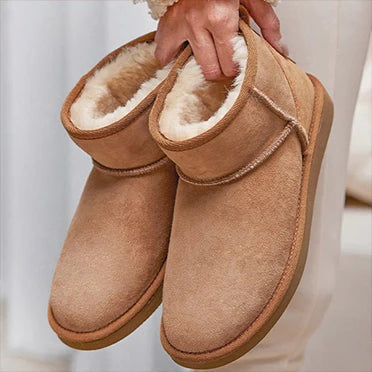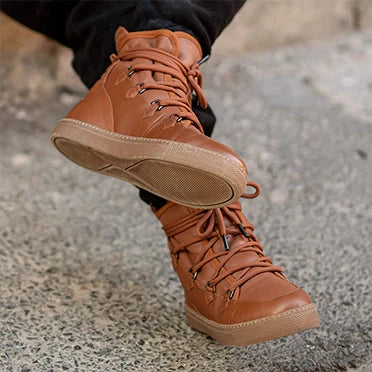

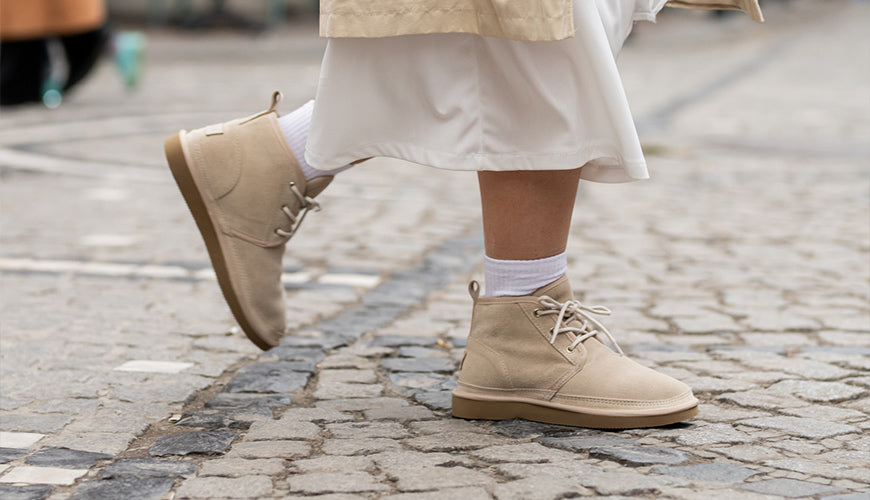
People often ask if sheepskin boots are "good for your feet" because they want to know if they will keep their feet comfortable, not rub, and feel supportive enough for everyday life. Sheepskin can be a wonderful way to keep your feet warm, but the boots still need to follow the basic rules that podiatrists talk about, like being the right size, being stable, and giving you support where you need it.
If you choose wisely, sheepskin boots can be a very useful choice for the autumn and winter in the UK. If you choose the wrong ones (too floppy, too narrow, or too "slipper-like"), they can make your feet tired and rub against each other.
A Quick Summary
- Many people find sheepskin boots comfortable because the lining is soft and breathable and helps keep the temperature and moisture in check. The shape, sole, heel counter, and fit of the boot are what matters most for foot health, not comfort.
- Make sure the toe box is big enough, the heel is stable and low to moderate, and the boot feels secure on the foot.
- Don't buy shoes that feel like they "need breaking in" or rub on the first day. If you wear orthotics, make sure the insoles can be taken out and that there is enough depth to fit inserts without squashing your toes.
- In the winter in the UK, traction is important: grip and a stable platform can help on wet pavements and frosty mornings.
- If your foot pain lasts more than two weeks or keeps coming back, see a doctor instead of hoping that new boots will fix it.
What Podiatrists Usually Mean by “Foot-Friendly” Boots
Podiatrists don't usually judge a shoe based on its lining alone. They pay attention to how the boot feels when you walk: does it keep you stable, spread out pressure evenly, and let your toes move naturally?
There are a few things that keep coming up in NHS and podiatry advice:
Fit
Your foot should fit naturally in a boot, especially at the toe box. NHS advice on shoes often says that there should be enough room for the toes and a small space in front of the longest toe (usually 6–10mm).
Stability
The back of the boot should feel secure without the heel sliding. The NHS also says that shoes should "hold on to you" instead of you having to grip them with your toes to keep them on.
Reasonable Heel Height and Cushioning
Many people do best with a low, stable heel and some shock absorption. The NHS often says to keep heel height low (for example, less than 4 cm), and podiatry advice for standing for long periods of time may say to avoid heels higher than 2 cm.
What Is Sheepskin and Why Does It Feel So Good?
Sheepskin is the skin of a sheep with its wool fibres still attached. It is often used as a warm, soft lining in boots. If you want to understand why sheepskin feels warm yet breathable in everyday wear, this guide on the science behind sheepskin boot comfort explains the material properties in more detail.
The three most important comfort features that people notice are the following:
Temperature buffering: Wool fibres trap air to keep you warm and can help you adjust to sudden changes in temperature.
Breathability: If air and moisture can move through the lining better than they can through most synthetic linings, it won't feel as clammy.
Soft contact: A soft lining can be easier on your ankles and heels as long as the boot fits well.
Potential Foot-Friendly Benefits of Sheepskin Boots
The best way to think about it is that sheepskin makes the area around your foot better, and good boot design makes the way your foot works better. You want both.
Warmth That May Make Winter Walking Easier
Warm feet often feel better when you're outside for a long time. Warmth doesn't "fix" foot posture, but it can help people who get that tense, curled-toe feeling when they're cold feel better.
Moisture Control That May Reduce Friction
Blisters often happen when there is friction and moisture. Breathable linings help sweat evaporate, which can make many people feel less damp and irritated.
A Softer Feel for Daily Standing and Commuting
Comfort is important if you have to stand or walk many short distances during the day. The College of Podiatry stresses the importance of choosing shoes that are right for your activity and providing support at the heel and arch.
When Sheepskin Boots May Work Less Well
Lack of Structure
You might not get the support your feet need, especially for longer walks, if the boot twists easily in the middle or falls apart at the heel.
Toe Boxes That Are Too Tight
If your toes are squeezed, a warm lining won't help. A round or square toe with depth is often suggested for comfort.
No Room for Orthotics
If you use orthotics, you need depth and, if possible, an insole that can be taken out. The NHS says that removable liners are helpful, and if the liner is fixed, you need extra depth so that the inserts don't squish your toes.
The Reality of Wet Weather
If you don't protect it, rain and road splash can make suede and sheepskin less comfortable. If you wear sheepskin boots outside a lot, you need to take care of them:
A Practical Checklist for Choosing Sheepskin Boots That Are Easier on the Feet
Fit Checks
- If your feet swell, try the boots later in the day. Also, wear the socks you will wear in the winter.
- Try to get a secure grip on the heel and leave some room in front of the longest toe (usually 6–10mm).
Support Checks
- Press the heel counter; a little bit of firmness usually helps keep things stable.
- Bend the boot; it should bend at the toes, not at the arch.
- Walk on a hard surface. You shouldn't feel like you're "rolling" inward or having to fight to keep the boot on.
The Comfort Rule
Don't buy a pair that needs to be "broken in". NHS podiatry advice says that shoes that fit well should feel good from the start.
If you plan to use them for commuting or walking regularly, the lining is just as important as the outsole grip and stable platform:
Common Mistakes That Make Sheepskin Boots Less Comfortable
Common Fit and Structure Mistakes
A boot that doesn't fit your foot well can't be saved by a good lining. Podiatrists see these problems with everyday shoes all the time (and they also happen with winter boots):
- Getting "snug" because you think it will stretch. When it's cold outside, feet often swell a little during the day, and thick socks can change how they fit. If your toes feel crowded in the store, they will feel worse on a longer day.
- Letting warmth win over stability. A very soft, slipper-like sole can feel great inside, but it can be tiring outside, especially on uneven sidewalks.
- Not paying attention to heel slip. When your heel lifts, you often make up for it by gripping with your toes. The NHS specifically says that shoes should hold onto you, not the other way around.
- Picking a narrow toe shape for style. The shape of the toe box is important for comfort and distributing pressure.
- Assuming that "breaking in" is normal. If a boot hurts or rubs right away, it's usually because it doesn't fit right, not because you're not patient.
Does Real vs Faux Sheepskin Matter for Foot Comfort?
If you are comparing natural and synthetic linings more closely, this article on sheepskin boots vs synthetic materials gives a practical breakdown of comfort, breathability, and wear differences. Breathability and how well they handle moisture are the main things that make a difference in how comfortable they are for your feet. Many synthetic linings can feel warm, but they also trap sweat. The NHS says that breathable uppers are important for reducing foot pain because materials that don't breathe can make feet hot and sweaty, which can lead to skin problems.
Real sheepskin boots are highly valued for their ability to let air flow and maintain stable temperature regulation.
That being said, "real" doesn't always mean "supportive". You still need a stable sole, a good heel hold, and enough room for your toes.
Wearing Sheepskin Boots Every Day in the UK
When the weather in Britain is at its worst, like on damp, cold mornings, windy evenings, and those in-between days when you go from heated indoor spaces to cold outdoor streets, sheepskin boots are often at their best.
- For commuting, make sure you have a comfortable grip and a snug fit. A thicker outsole and stable platform can make you feel more sure of yourself if you often walk on wet paving stones or over metal grates.
- If you have to stand for a long time, choose the structure first (heel counter, cushioning, stable sole) and think of the lining as a bonus for comfort. The College of Podiatry says that wearing the right shoes for your activity can help you feel better and lower your risk of getting hurt.
- For casual weekend wear, you can be more flexible, but you still have to follow the comfort rule: no rubbing, no pinching, and no "I will break them in".
If you're making a winter rotation, think about getting one more pair of shoes that can handle the weather and one lighter pair for dry days.
Who Should Be Extra Careful?
- Diabetes, neuropathy (nerve damage), numbness, or poor circulation: even small pressure points can turn into bigger problems. Look for rubbing or redness, and ask a doctor what kind of shoes are best for you.
- Pain that doesn't go away or comes back again and again: The College of Podiatry says to get professional help if the pain lasts longer than two weeks or keeps coming back.
- Certain conditions, like plantar fasciitis or severe overpronation, may require more structure or boots that can hold orthotics.
Care and Protection: Keeping Boots Comfortable and Supportive
Good care makes a real difference to comfort over time, and this expert sheepskin boot care guide covers the basics of protection, drying, and long-term maintenance.
- Use a spray that is right for the item to protect it before you wear it for the first time. Reapply during wet spells.
- If your boots get wet, dry them at room temperature away from radiators and direct heat. To keep their shape, lightly stuff them with paper.
- Let them air out after each use so the lining can dry completely.
The Bottom Line
If you want to stay warm, breathe easily, and feel softer in the winter, sheepskin boots are a wonderful option.
Just keep in mind that the "good for your feet" part depends on how well the boot fits and how it is made: toe room, heel hold, stability, and whether it works with your foot type and any orthotics you wear.
If you want to compare everyday winter-ready options in one place, you can browse Pegia's women’s and men’s footwear collection and focus on toe room, heel hold, and outsole stability.
Frequently Asked Questions About Sheepskin Boots
Are sheepskin boots good for people with plantar fasciitis?
They can be comfortable, but plantar fasciitis usually needs strong arch support and a stable heel. It might not be the best choice for long walks if the boots are very flexible.
Do sheepskin boots support the arch?
Some do, but most don't. The lining made of sheepskin is not "support". Find a boot with a structured footbed or one that can fit your orthotics.
Can I put orthotics in boots made of sheepskin?
Yes, most of the time, if there is enough depth and, ideally, a removable insole or liner.
Are sheepskin boots good for people with wide feet?
They can be, as long as the toe box is big and deep. Check that your toes aren't squished and that there's some space in front of the longest toe.
Should sheepskin boots feel tight at first?
No. Don't think that "breaking them in" will help; shoes that fit properly should feel comfortable right away.
Do sheepskin boots help with sweaty feet?
They might help because sheepskin lets air in and out and can handle moisture better than many synthetic linings.
Are sheepskin boots good for walking long distances?
Yes, some are. Check to see if the sole is stable, the heel holds well, and the grip is good. If your heel lifts or the boot feels loose, keep looking.
Do you need a heel for healthy feet?
Not required, but a lot of people prefer shoes with a small, stable heel to shoes that are completely flat.
How can I tell if the toe box is big enough?
You should be able to move your toes around freely, and the upper part shouldn't press down on the tops of your toes.
Are sheepskin boots safe for people with diabetes?
It depends. If you have diabetes or numbness, get personalised advice and make sure to check your fit and pressure regularly.
What can I do to keep my sheepskin boots dry in the UK?
If they get wet, use a protector spray, try to stay away from soaking conditions, and let them dry slowly at room temperature.
When should I go to the podiatrist for foot pain?
If the pain lasts longer than two weeks, comes back, or changes how you walk, you should see a doctor.