
"Shoe smell" becomes a real summer problem when the temperature rises (or the Tube feels like it has). It's not just trainers after a long day. Flats, loafers, and even dress shoes can start to smell when your feet sweat, your shoes stay damp, and bacteria have time to settle in.
You don't need to buy a new pair every season or reach for harsh chemicals. In a lot of cases, the biggest difference is the choice of materials and a simple routine that lets shoes dry the right way. Natural materials usually work better because they handle airflow and moisture differently, and they're less likely to trap problems if you wear them regularly.
A Quick Summary
- Shoe smell usually happens when sweat builds up and bacteria break it down; the odour is a by-product of that process.
- Warm weather makes it worse because feet sweat more and shoes can stay damp longer, especially if worn back-to-back.
- "Breathable" doesn't just mean holes or open designs — it also means how a material deals with moisture inside the shoe.
- Wool and other natural fibres are hygroscopic, meaning they absorb moisture vapour readily, which can help keep the skin surface drier.
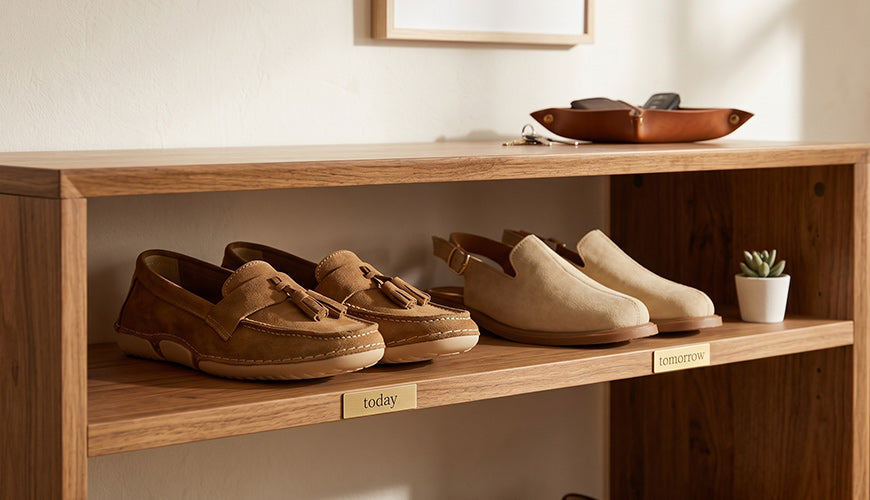
- One of the easiest and most effective habits is rotating shoes and letting them dry completely between wears.
- Socks matter: for everyday wear, moisture-absorbing fibres like wool or cotton blends are usually better than very "plastic-feeling" synthetics.
- A quick after-wear routine (airing, removing insoles, light wiping) keeps most smells from settling in.
- If smell persists or is accompanied by irritation or broken skin, it's worth seeking professional advice.
The Warm-Weather Smell Problem (and Why It Seems to Hit Suddenly)
In the UK, smell problems tend to spike during humid stretches when you're commuting, walking more, and wearing the same "reliable" pair day after day. Even if the weather isn't extreme, wearing shoes creates a warm microclimate around your foot. If you have a busy day and not much time to dry things overnight, yesterday's moisture becomes today's problem.
There's also a psychological aspect: once you notice a smell, you become hyper-aware. That can lead to overcorrection — spraying heavy deodorant into shoes, washing things that don't like water, or leaving pairs on radiators (bad for glue, leather, and shape).
A calmer approach works better: understand what causes the smell, then pick materials and habits that make it harder for moisture and bacteria to stick around.
What Really Causes Shoe Smell?
It's Not the Sweat Itself
Sweat on its own usually doesn't smell much. The odour typically starts when bacteria break down the combination of sweat and skin cells that accumulate inside a shoe.
That's why two people can wear the same shoe type and have completely different experiences in the same weather. It's not just the shoe — it's your foot's sweat output, drying time, socks, and the material lining the inside.
What Makes It Worse in Warm Weather
More sweating in the heat, slower drying in humidity. Bacteria thrive when the inside of a shoe stays even slightly damp. Wearing the same pair two days running can lock in that cycle: sweat → damp lining → incomplete drying → faster smell next time. Rotation breaks the cycle by giving each pair time to dry properly.
When to Seek Advice
Most odour issues can be managed at home with hygiene, drying, and better materials. But if the problem persists, or if you have ongoing itching, pain, broken skin, or anything that looks like infection, it's worth speaking to a pharmacist, GP, or podiatrist.
Why Natural Materials Make a Difference
Natural materials aren't "magic." They simply perform better in the conditions that create smell — heat, sweat, and repeated wear.
Breathability Is More Than Airflow
Ventilation (open backs, cut-outs, woven uppers) helps, but "breathability" also relates to what happens inside the shoe. Many natural materials have a structure that allows moisture vapour to move and spread rather than pooling against the foot.
Moisture Management: The Underrated Superpower
Moisture buffering is one of the main reasons certain natural fibres feel fresher. They absorb moisture vapour and release it gradually as conditions change. Wool is a classic example — it's hygroscopic, meaning it can absorb significant moisture while the skin surface feels drier.
In shoe terms, that can mean less "sticky" dampness on the foot and a less bacteria-friendly environment, especially if you allow enough drying time between wears.
Comfort and Temperature Regulation
Many people find natural materials feel less clammy and more comfortable when temperature shifts — cool mornings to warm afternoons. That comfort can help indirectly with smell because you're less likely to over-sweat and reach for quick fixes that damage shoes.
Natural Materials That Stay Fresher in Warm Weather
These materials usually work well against odour, especially when rotated and cared for properly.
Leather and Suede Uppers
Good leather and suede often allow more airflow than fully plastic-coated alternatives. They also tend to age in a way you can maintain (clean, condition, protect) rather than simply breaking down.
If you go sockless in leather shoes, look for pairs with smooth internal seams and consider a thin liner sock or no-show sock. The goal isn't extra warmth — it's creating a washable layer between your foot and the shoe. For more on how to keep leather footwear in top shape, our care tips for loafer shoes cover the essentials.
Sheepskin or Wool Linings (in the Right Style)
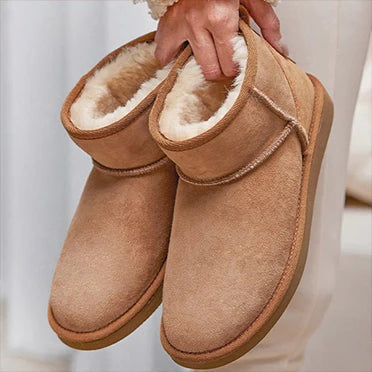
People often think of sheepskin or wool as winter-only materials, but wool-rich linings and footbeds can be useful year-round in some designs — especially open-back or easy-on styles that let heat escape.
Wool handles moisture and odour differently from synthetics like polyester, which tend to hold smells more readily in everyday use. The key takeaway: wool can still smell, but with proper care it can stay wearable longer between refreshes. If you're curious about how to maintain sheepskin linings specifically, our expert sheepskin care guide walks through the routine.
Cork, Jute, and Other Natural Footbeds
Natural footbeds can be helpful because they don't get as slippery and sweaty as some synthetic foams. They also tend to dry more reliably if you air out shoes properly.
If you prefer the softness of foam, look for removable insoles — that way you can swap, wash, or replace them when they start to hold odour.
Socks: The Easiest "Odour Control Product" You Own
If you want to change one thing that will make a big difference, start with your socks. Moisture-absorbing socks — wool, cotton, or blends — are usually recommended for sweaty feet. Rotating your shoes so they can dry out is equally important.
For warm weather, consider thin cotton or cotton-blend socks for everyday wear, wool-blend socks for days with lots of walking (commute, travel), and no-show socks for loafers and flats (even a thin layer helps).
The Synthetics Trap (and How to Avoid It Without Going Overboard)
Some synthetics aren't bad. Modern performance meshes can wick moisture well. The problem is when a shoe combines a non-breathable upper, a plastic-feeling polyester lining, and a foam footbed that absorbs sweat but doesn't release it quickly.
That combination traps moisture against the foot. The shoe may look summer-ready, but inside it acts like a sealed box.
If you prefer synthetic styles, look for open structures or mesh panels that allow airflow, linings with clearly explained moisture-wicking properties, removable insoles, and a plan to rotate pairs. It's less about ideology and more about keeping the shoe's interior dry.
A Practical Freshness Routine (That Takes Minutes, Not Hours)
Choosing the right materials helps, but consistency is what really works over the course of a season.
The Five-Minute After-Wear Reset
- Take shoes off as soon as you're home. Don't leave them "warming through" in the hallway.
- Open them up: loosen laces, pull out the tongue, unfasten straps.
- Remove insoles if possible and let them air separately.
- Lightly wipe the inside with a dry cloth. If very damp, use a slightly damp cloth first, then a dry one.
- Air-dry away from direct heat. Hair dryers and radiators can stiffen leather, warp shapes, and damage adhesives.
A Gentle Weekly Refresh
- Baking soda (sodium bicarbonate) can help absorb odour in many casual shoes. Use sparingly: sprinkle a small amount overnight, then tap or vacuum it out thoroughly. Don't grind powder into soft linings.
- A shoe spray is fine as long as it's material-safe (leather, suede). Light application is better than heavy scent.
- Wash what you can: socks, liner socks, and removable fabric insoles (if the brand says they're washable).
Monthly or "After a Heatwave" Deeper Clean
- Suede: use a suede brush and eraser for marks. Once clean and dry, apply a suitable protector.
- Leather: wipe down, then lightly condition. In summer, less conditioning is better — too much can feel greasy. A little goes a long way.
- Footbeds: if they still smell after drying, it might be time for replacements.
Choosing Warm-Weather Shoes That Don't Develop Odour
You don't need to buy "summer shoes" to fight warm-weather odour. You need shoes that suit warm conditions.
A Pre-Purchase Checklist
- Toe box room: toes crammed together sweat more and dry less.
- Natural or breathable linings: look for leather linings or wool-rich footbeds where appropriate.
- Removable insoles: a practical feature that makes cleaning and drying much easier.
- Ventilation: open-back styles, cut-outs, woven uppers, or simply a lighter build.
- A rotation plan: even the best materials struggle with daily use in the heat.
Match the Shoe to the Day, Not Just the Outfit
- Commute days: prioritise breathable, washable socks and linings.
- Office days: consider leather-lined flats or loafers, and keep a spare pair if you walk a lot.
- Weekend walks: ventilation and moisture control matter more than sleek styling.
- Travel: a second pair isn't a luxury — it's odour prevention. Rotation is the easiest win.
If You Like Going Sockless
Sockless can work, but it requires more effort. Try no-show socks (even very thin ones), a quick wipe-down of the inside after use, and a strict rule: never wear the same pair sockless two days running.
Common Mistakes That Make Even Good Shoes Smell
- Wearing the same pair every day (no time to dry completely).
- Storing shoes while still damp inside.
- Spraying strong scent instead of dealing with moisture.
- Using direct heat to "quick dry" (damages materials and shapes).
- Ignoring insoles: they absorb the most sweat and hold the most odour.
- Wearing thick socks in the heat and then blaming the shoe.
- Going sockless in fully lined, closed shoes on high-sweat days.
- Starting a routine only after the smell is already bad.
A small habit — airing shoes and rotating pairs — does more than any single product. For a broader look at how to keep your shoes in top condition across seasons, our guide on caring for sheepskin boots covers the same principles that apply to most natural-material footwear.
Frequently Asked Questions (FAQ)
Do natural materials completely stop shoe smell?
No material can promise that. Smell depends on sweat output, drying time, socks, and hygiene. Natural materials help because they handle moisture and airflow better for everyday wear.
Does leather breathe enough for summer?
Yes, in many cases — especially compared to fully plastic-coated options. Look for lighter builds, leather linings, and shoes that aren't too tight around the forefoot.
Are wool or sheepskin linings too warm for hot weather?
It depends on the style. Wool-rich footbeds can still work well in open-back or ventilated designs because wool manages moisture vapour effectively and holds odour less readily than some synthetics. To understand why sheepskin performs well across temperatures, our article on the science of sheepskin warmth explains the properties behind it.
How long should I let shoes dry before wearing them again?
Ideally, rotate pairs so each shoe gets a full day to dry and air out.
Is it better to wear socks in warm weather?
Often, yes — if you choose the right socks. They absorb moisture and create a washable barrier. Wool or cotton blends that manage moisture are usually recommended for sweaty feet.
Can I put baking soda in leather shoes?
You can, but be careful. Use a small amount, leave it overnight, and make sure to remove it completely so it doesn't lodge in seams or irritate delicate linings.
Do shoe deodorising sprays work?
They can help mask and mildly treat odour, but they don't replace drying. Pick a spray that's compatible with your shoe's material, especially leather or suede, and use it lightly.
How do I clean suede shoes without damaging them?
Let them dry completely first. Use a suede brush to lift the nap. For marks, use a suede eraser. Don't soak suede — it can stain and stiffen if it gets too wet.
Do removable insoles make a difference?
Yes — they let you dry the shoe more thoroughly and swap or clean the part that absorbs the most sweat.
When should I replace insoles?
If they still smell after drying and gentle cleaning, or if they feel permanently damp or misshapen, replacing them is usually the quickest fix — especially in summer.
When should I see a GP or podiatrist?
If smell persists despite good self-care, or if you have pain, broken skin, redness, itching, or signs of infection, seek professional advice.
The bottom line
Stopping shoe smell is rarely about finding a miracle product. Most of the time it's about reducing moisture and giving shoes enough time to dry between wears. Natural materials help because they tend to breathe and manage moisture in ways that feel better in the warmth. When shopping with summer comfort in mind, look for breathable uppers, practical linings, and removable insoles. Then keep your choice fresh by rotating and airing regularly. Your shoes will last longer, and you'll worry less about what happens when you take them off.