
Why Nothing Beats Natural Sheepskin: The Science of Warmth
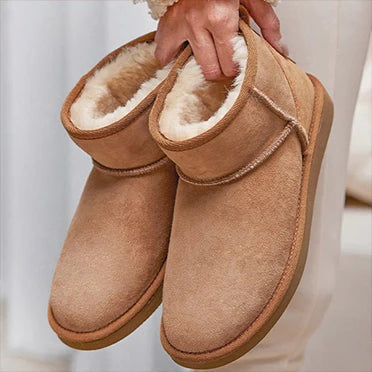
You know how it feels to put on a pair of natural sheepskin boots on a cold morning and feel that instant, cosy relief. But that comfort isn't just because it's soft; it's actually a beautiful combination of physics, fibre biology, and moisture science that makes your skin feel like it's in a perfectly warm "microclimate".
We at Pegia think that knowing the "why" behind the warmth makes the experience even better. Here's what really happens inside your favourite pair of scissors.
1. Still Air: The Secret Behind Sheepskin Insulation
Trapped air is a very simple way for nature to stay warm. The main goal of cold weather protection is to slow down the loss of heat. Materials that can trap heat well feel much warmer because air doesn't conduct heat well.
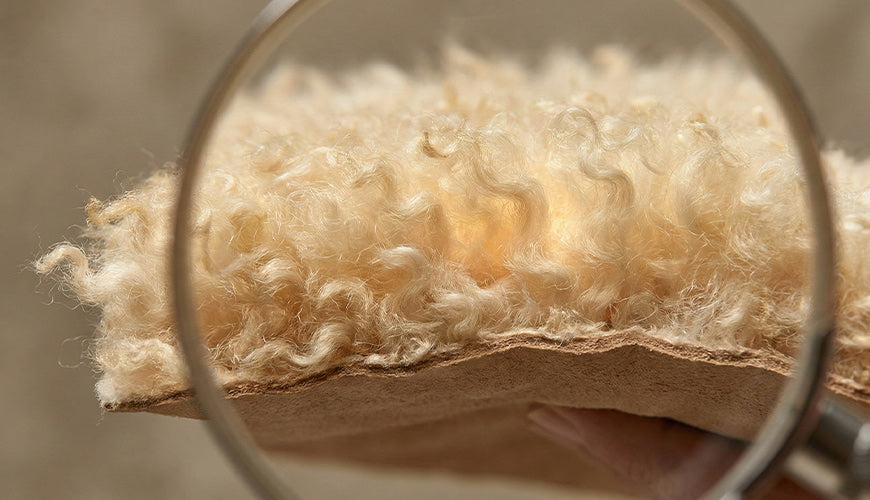
Wool fibres naturally have a "crimp," which gives the fleece its loft. This is because they have a wave that looks like a spring. This structure makes millions of tiny air pockets that keep the cold out. What makes Pegia different: sheep's skin, on the other hand, keeps these fibres attached to the natural hide. You get the amazing insulation of wool and a strong leather backing that keeps cold draughts out.
2. Warmth That Works Even When It’s Wet
Let's be honest: even in the winter, feet sweat. That moisture stays on your skin when you wear synthetic materials, making you feel cold and clammy right away.
Natural wool does this in two intriguing ways:
- The Rule of 30%: Wool can take in about 30% of its own weight in moisture vapour without feeling wet to the touch.
- Hygroscopic Heat: When wool absorbs water, it gives off a small amount of heat (an exothermic reaction). That's why your sheepskin boots feel warmer than you thought they would, even when it's humid and snowy.
3. Breathability: Why Staying Dry Means Staying Warm
Staying warm means avoiding overheating, though it may sound strange. If your feet get too hot and sweaty, you'll feel cold as soon as you step outside.
Wool is renowned for its breathability. It keeps you warm without making you feel "suffocated" by moving moisture away from your skin. It keeps you dry and warm in different environments, like a thermostat in nature.
4. Making Your Own Microclimate
Think of your sheepskin boots as "microclimate managers."
- The fleece keeps the heat in.
- The fibres keep the humidity out.
- The structure stops those sharp temperature changes when you move from a warm room to a cold floor or the outdoors.
In textile science, the temperature and humidity both affect how comfortable something is. Sheepskin does both, so your feet will be "happy" all day long.
5. Lanolin: The Softest Touch In Nature
Lanolin is a waxy substance that protects fibres in natural wool. You might know the name from your skincare routine, and that's for a good reason! Lanolin is very similar to the lipids that are naturally found in human skin.
Lanolin is the reason natural wool feels so soft and conditioned, but it's not a "miracle cure".
It feels comfortable to wear for a long time, even on sensitive skin.
6. Why Nature Still Wins Over Man-Made Things
The main job of most synthetic linings is to trap air. They can be warm, but they don't always do a good job of "balancing" like wool does. Natural fibres breathe and retain moisture better than synthetics do.
Wool is still studied as one of the most advanced technical materials in the world because it has this unique combination of insulation and moisture buffering. That's why we use it in every pair of Pegia boots.
Pegia Pro-Tips: How to Keep the Heat Going
- Go Thick: A fleece that is thicker has more air pockets and keeps you warmer.
- Take a break: Avoid wearing your sheepskin boots every day. This helps the fibres let go of any moisture stuck in them.
- Let it dry slowly: Don't put your sheepskin near a direct heat source, like a radiator. The only way to keep those fibres healthy and soft for years is to let them dry naturally.
FAQ: All the Questions You've Had About Sheepskin
Will they still be warm if my feet sweat?
Yes! Sheepskin draws moisture into the fibre, which makes the area next to your skin much drier and warmer than synthetics.
Is it really important for things to breathe in the winter?
Of course. Without it, moisture builds up and causes "evaporative cooling," which is why you feel cold and clammy.
Why do they get warm right away when I put them on?
The air trapped in the crimped fibres and the small amount of heat that the wool gives off as it adjusts to the moisture in your skin make that "instant heat".
How can I explain in the simplest terms why they are cosy?
Imagine millions of tiny air pockets trapped in a thick, natural forest of fibres. These pockets slow down heat loss while letting your skin breathe.