
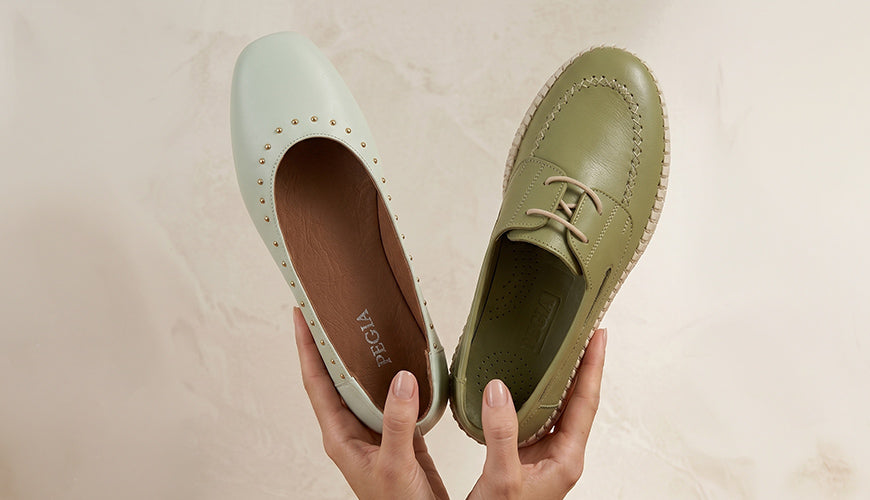
A good office shoe should feel like it's not there on your foot. No pinching by 11 a.m., no heel slip on the commute, and no "counting the minutes" by mid-afternoon. Ballet flats and loafers are two of the most common answers to that need. Both are smart, versatile, and easy to style. But they feel very different after a full day of work, especially if you walk to the station, stand for long stretches, or deal with unpredictable UK weather.
This guide explains what really affects comfort — not just what looks good — so you can pick the pair that works best for your workday, your feet, and your wardrobe.
A Quick Summary
- Loafers usually feel more supportive than ballet flats because they have a firmer upper and more structure in the midfoot.
- Ballet flats can be very light and flexible, but many have thin soles and minimal arch support — fine for short days, less so for long commutes.
- If you walk a lot, make sure the outsole is grippy, the heel counter is stable, and there is enough room for your toes to move naturally.
- If you sit for most of the day, breathability, soft linings, and a snug fit (no rubbing) are often more important than heavy-duty cushioning.
- Leather uppers usually shape to your foot over time; suede can feel softer from the start but needs weather protection.
- A roomier toe shape can make a bigger difference in comfort than you think, especially in the late afternoon.
- For loafers, pay attention to the instep: too tight feels restrictive; too loose causes heel slip.
- For flats, look for a cushioned insole and a sole that's supportive, not paper-thin.
- Rotating two pairs during the week helps them dry out, stay fresher, and feel better over time.
- A little prevention goes a long way: protect suede, condition leather, and fix small fit problems early (heel grips, tongue pads, thin insoles).
What Your Workday Actually Demands: The Real Comfort Test
"Comfort" isn't one thing. A shoe that feels great for desk work can feel completely wrong when you're power-walking between meetings or standing on hard floors all day.
Before you choose, picture a normal weekday:
- Commute: How far do you actually walk? Pavements, steps, stations, wet crossings?
- Time on your feet: Do you walk kids to school, visit clients, run errands, climb a lot of stairs?
- Your work environment: Carpeted office? Concrete hallways? Hot-desking with lots of moving around?
- Weather exposure: Do your shoes regularly get wet from rain, damp pavements, or winter grit?
- Style expectations: Smart, smart-casual, creative, or "camera-on" hybrid days?
Ballet flats tend to win on lightness and simplicity. Loafers tend to win on structure and support. The key is working out which matters more for your daily reality.
What Are Ballet Flats?
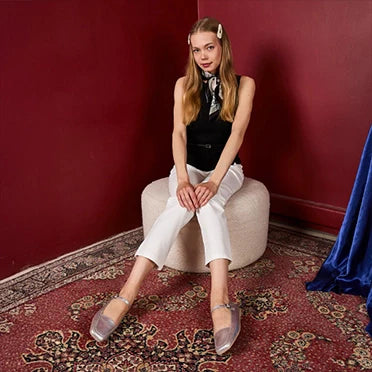
Ballet flats are slip-on shoes with little or no heel, shaped after ballet slippers. In office terms, they're the "quiet classic" — they work with trousers, skirts, and dresses, and if you wear trainers on the commute and change at your desk, flats fit easily in a bag.
Common Ballet Flat Styles
- Round-toe flats: often feel roomier, good if your toes like space.
- Pointed-toe flats: elongate the leg and look sharper, but may feel tighter depending on the cut.
- Almond-toe flats: a good middle ground that suits a lot of foot shapes.
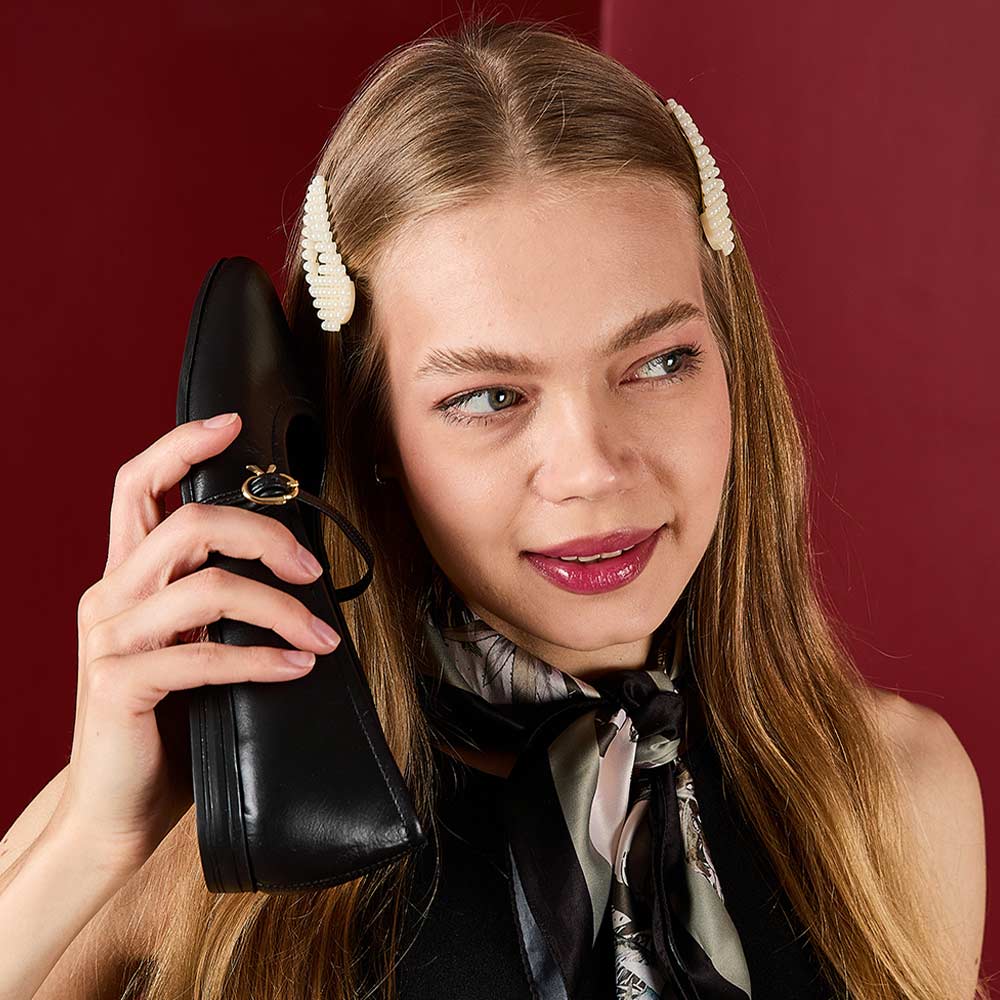
- Strap-on ballet flats (Mary Jane style): the strap adds security and stops heel slipping.
Where Ballet Flats Feel Good — and Where They Don't
Comfort strengths:
- Lightweight on the foot, easy to wear all day.
- Usually flexible, moving with you naturally.
- Can work well for narrower heels if the cut fits.
Comfort watch-outs:
- Many flats have thin soles — you might feel every paving slab on the commute.
- Minimal structure can lead to foot fatigue over time, depending on how far you walk.
- A low-cut opening can cause heel rubbing or slipping if the fit isn't quite right.
- Pointed shapes can feel tight by late afternoon when feet naturally swell.
Flats can be very comfortable, but they're less forgiving if they're poorly made or don't fit well.
What Are Loafers?
Loafers are slip-on shoes with a more structured upper (often with a saddle strap across the vamp) and a stronger overall build. They instantly look "polished," especially with tailored trousers, wide-leg pants, or a simple knit dress. They also usually walk better than very thin flats.
Common Loafer Styles
- Penny loafers: classic, neat, and easy to wear to work.
- Tassel loafers: a little more decorative, still office-appropriate.
- Chunky loafers: more cushioning and grip, look modern, and handle wet pavements well.
- Soft loafers: more flexible, sometimes feel closer to a flat, but with more structure.
Where Loafers Feel Good — and Where They Don't
Comfort strengths:
- More midfoot structure can help with all-day stability.
- Usually thicker soles, which lessen the impact of walking.
- A higher, more secure upper can reduce rubbing compared to very low-cut flats.
Comfort watch-outs:
- The instep area might feel tight at first, especially in leather. They may need a short break-in period.
- Loafers that are too loose can cause heel slip, which is very annoying.
- Some very stiff pairs can feel "hard" underfoot if the insole is thin.
A well-made loafer is often the best choice for all-day wear if you walk more than you sit or have errands throughout the day.
Ballet Flats vs Loafers: A Comfort Comparison
Instead of "which is better?" use this comparison to match the shoe to your feet and your daily life.
Support and Structure
Loafers usually win here — stiffer upper, thicker sole. Ballet flats vary widely; some have cushioning, others are very basic. If your feet feel tired after standing or walking, lean towards loafers.
Toe Room and Pressure
Loafers often have a little more vertical space in the toe box. Pointed flats can squeeze toes that naturally spread. If you want a lighter, less "enclosed" feel, go with flats — but consider your toe shape.
Heel Security
Loafers' higher upper holds the foot better. Flats are more prone to heel slip if the opening is low or the shoe is slightly too big. If you often get heel rubs, a secure loafer can be kinder.
Outsole Grip (a Big Deal in the UK)
Loafers are more likely to have grippy soles, especially chunky styles. Some flats have very smooth soles that struggle on wet pavements. Whatever style you choose, make traction a priority if you walk on slippery surfaces.
Break-In Time
Leather loafers usually need a short break-in, mostly around the instep. Softer flats may feel good immediately, but thin soles can still cause foot fatigue.
All-Day Breathability
Flats often feel cooler and lighter. Loafers can be warm in summer unless the lining and materials allow airflow. If you run hot, look for breathable linings and consider rotating during the week.
How to Choose Based on Your Typical Workday
If You Have a Long Commute on Foot
Prioritise cushioning, grip, and stability. A loafer with a supportive sole usually wins here. If you prefer flats, look for a pair with a cushioned insole and a thick, grippy outsole — not a thin, shiny sole.
A useful routine many people use: wear trainers to work, change into office shoes at your desk, and use a shoe tree or simple insert to help commute shoes keep their shape.
If You Sit for Most of the Day
Prioritise softness, breathability, and a lining that doesn't irritate. Ballet flats can be great if they don't squeeze your toes or rub your heel. Softer loafers also work — just avoid pairs that press hard on the top of your foot.
If You're on Your Feet All Day (Teaching, Events, Walking Between Buildings)
Support, shock absorption, and a secure fit come first. Loafers are usually the better choice for all-day stamina. In winter, consider slightly thicker soles for better grip and impact protection.
If Your Office Dress Code Is Formal
Both can work, but the details matter. For flats, pick a clean shape, a quality upper, and a neat toe profile. For loafers, classic penny loafers often look sharp without being heavy.
If Your Office Is Creative or Smart-Casual
You have more freedom. Chunky loafers can look modern and practical. Ballet flats with a strap can look intentional and stay put.
Fit and Sizing: Five-Minute Checks That Prevent Painful Days
Often, comfort problems are really fit problems. Use these quick checks when trying on.
The Toe Test
Stand up and shift your weight forward slightly. Your toes shouldn't push hard into the front, you should be able to wiggle them a little, and pointed shoes shouldn't crush your toes into a narrow tip.
The Heel Slip Test
Walk on a hard floor. New shoes may shift a tiny bit, which is normal. If you can see your heel rising with each step, you'll probably get rubbing. A small heel grip can help, but it won't fix a shoe that's clearly too big.
The Instep Test (Especially for Loafers)
If the top of the shoe feels like it's "biting" your foot when you stand still, it may get uncomfortable over time. Leather can ease slightly with wear, but if it hurts immediately, the size or shape may be wrong.
The "Real Stride" Test
Don't just shuffle around. Walk briskly, take longer strides, and turn corners as you would on the street. When shopping by UK size, keep in mind that different brands and lasts can feel different even at the same size — focus on shape and volume, not just the number.
Materials and Construction Details That Affect Comfort
You don't need to be a shoe expert — just notice what touches your foot and the ground.
Upper Material: Leather, Suede, or Fabric
- Leather: often shapes to the foot over time, making it more comfortable. Tends to hold its structure better.
- Suede: may feel softer from the start but needs rain protection.
- Textiles and knits: can be breathable and flexible, but make sure the structure isn't so soft that your foot feels unsupported.
Seams and Lining
Rubbing is often caused by seam placement or stiff linings. Check for smooth seams and look inside the toe and heel for thick stitching that could irritate.
Footbed Cushioning
Press your thumb on the insole area. If it feels like a hard board, you may want an insole (if the shoe has room). If it has some give and springs back, it will probably stay comfortable for hours.
Outsole Thickness and Grip
For UK pavements, grip means both comfort and safety. Look for texture or tread, especially if you walk on tiles, steps, or wet crossings. A slightly thicker sole can help with impact and fatigue. For more detail on how different soles perform, our sole material guide has a full breakdown.
How to Make Flats and Loafers More Comfortable Without Changing Your Style
A few small tweaks can turn a "nearly right" shoe into a favourite.
Discreet Insole Options
- Thin full-length insoles: add a little cushioning; work best when the shoe already feels slightly roomy.
- Half insoles: good for flats with limited toe room.
- Arch-support inserts: can help if your midfoot usually feels tired. Just make sure they don't make the shoe too tight.
Rubbing Fixes
- Heel grips: prevent slipping and rubbing.
- Moleskin and blister plasters: great for the first few wears while leather settles.
- Tongue pads (loafers): can help if the vamp feels loose and your heel slips.
Smart Break-In
A short break-in is normal for most loafers, especially leather ones. Wear them at home for 30–60 minutes first. Don't "power through" pain — small hot spots usually get worse, not better.
The Underrated Power of Rotation
Wearing the same pair every day increases the chance of discomfort. Even switching between two pairs lets shoes dry out and recover their shape. It also helps reduce odour and extends the life of the upper and sole.
Caring for and Protecting Office Shoes in the UK
Shoes that stay clean, dry, and soft are more comfortable all day — especially leather and suede.
For Leather Flats or Loafers
- Wipe with a soft cloth to remove rain marks and city dust.
- Use a leather conditioner occasionally to prevent stiffness.
- If wet, let them dry naturally away from direct heat.
For a full leather care routine, our care tips for keeping loafers looking new covers the essentials.
For Suede
- Spray with a protector before the first wear and reapply as needed.
- Brush gently to lift the nap and keep the finish looking fresh.
- Deal with water marks promptly instead of rubbing them hard.
Keep the Inside Fresh
- Rotate pairs so each one can breathe.
- If you wear shoes all day, consider removable inserts to make cleaning easier.
So Which One Should You Choose?
Ballet flats are a great fit if:
- You sit for most of the day and want a light, simple shoe.
- You like skirts, dresses, or cropped trousers with a lower hemline.
- You can find a pair with a cushioned footbed and a secure fit (no heel slip).
Loafers are a great fit if:
- You genuinely walk, climb stairs, or navigate wet pavements on your commute.
- You stand for long stretches during the day.
- You want a shoe that feels stable and "held" without constant adjusting.
And if you're not sure? The best approach for many people is not to choose permanently — build a small rotation: one supportive loafer for heavy-walking days, and one well-cushioned flat for desk-heavy days. If comfort at home matters too, adding a pair of supportive slippers to your rotation means your office shoes get a proper rest every evening.
Frequently Asked Questions (FAQ)
Are loafers more comfortable than ballet flats?
Often, yes — mostly because loafers have a thicker sole and more structure. But a well-padded flat with a secure fit can still be comfortable for long office days, especially if you sit more than you walk.
Do ballet flats hurt your feet?
They can, especially if the soles are very thin and the structure is minimal. Choosing a cushioned footbed and adding a thin insole can help. For more on what makes footwear supportive, our article on what to look for in a podiatrist-informed pair covers the health side.
Can I wear loafers with a suit?
Yes. Classic penny loafers are a popular pairing with tailored trousers and suits. Keep the shape clean and the finish well-maintained for a more formal look.
What toe shape is most comfortable all day?
Many people find round or almond toes the most forgiving, especially later in the day when feet swell. Pointed toes can look sharp but may feel tight depending on your foot shape.
How can I stop loafers from slipping at the heel?
First, check the size and instep fit. If the shoe is close but a little loose, heel grips or tongue pads can help. If the shoe is clearly too big, accessories won't fully solve the problem.
Are chunky loafers okay for the office?
In many offices, yes — especially those with smart-casual or creative dress codes. They also tend to be more practical for commuting thanks to better grip and cushioning.
What socks should I wear with loafers for work?
No-show socks reduce rubbing and keep shoes fresher. Thin socks work in cooler months, but make sure they don't make the shoe feel tight across the instep.
Are flats good for walking to the station?
They can be, but check for grip and cushioning. Flats with very thin, smooth soles may leave you feeling more impact and less stability on wet pavements.
How long does it take to break in loafers?
It varies. Many leather loafers feel better after a few wears. If you still feel sharp pressure points after several wears, the shape may not be right for your foot.
How do I protect my suede shoes from rain?
Spray with a suede protector before the first outdoor wear and reapply regularly. Brush after wearing and deal with any marks promptly to keep the finish looking fresh.
Is it better to have one pair of office shoes or rotate?
Rotation is usually more comfortable long-term. Switching pairs lets shoes dry, reduces odour, and can prevent rubbing the same spots repeatedly.
Final thoughts
Both ballet flats and loafers can be great office shoes, but comfort depends on the details: a secure fit, enough toe room, cushioning, grip, and materials that handle real UK conditions. If you walk a lot, start with loafers or loafer-like flats with a thicker sole. If you're desk-based, a carefully chosen ballet flat can feel effortless. When you're ready to decide, rank options based on how they feel after a brisk walk, not just how they look in the mirror. That's how you get shoes you actually want to wear on Monday morning.