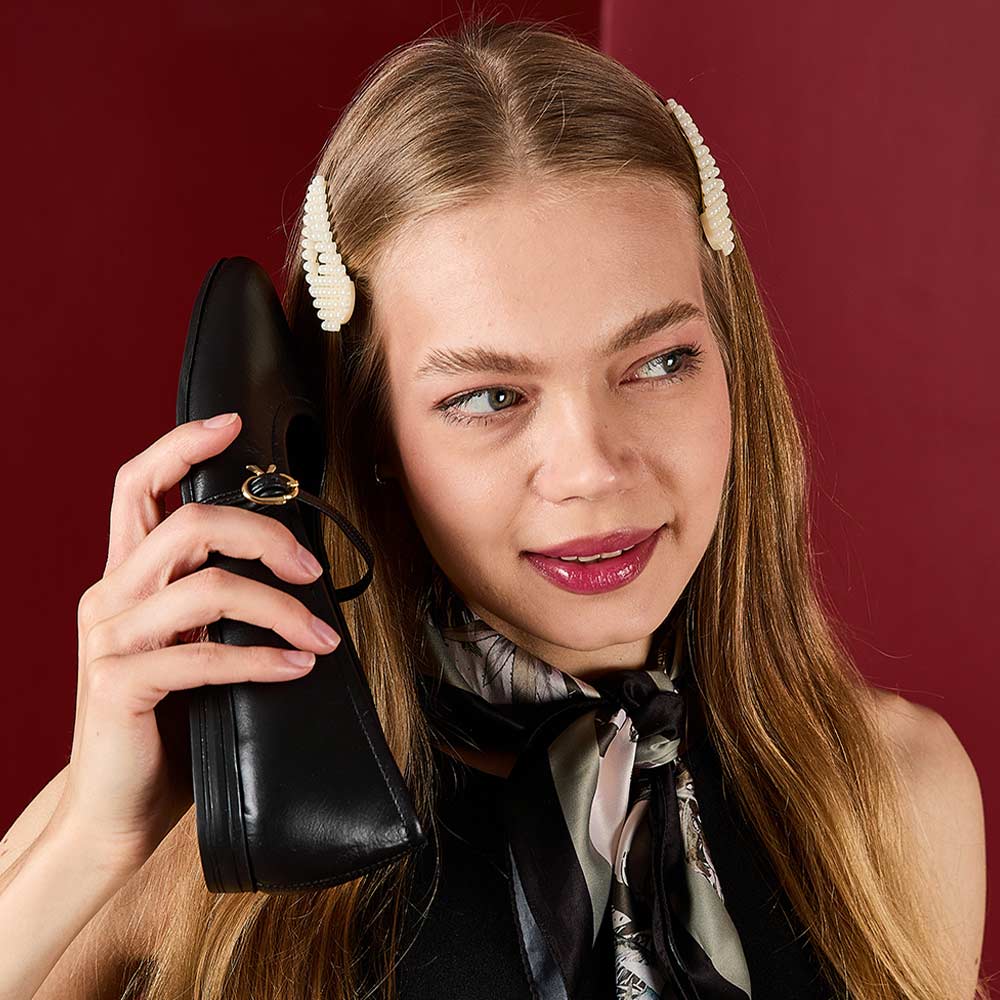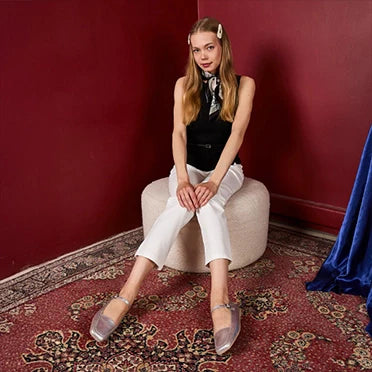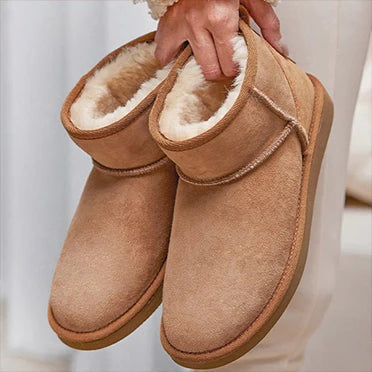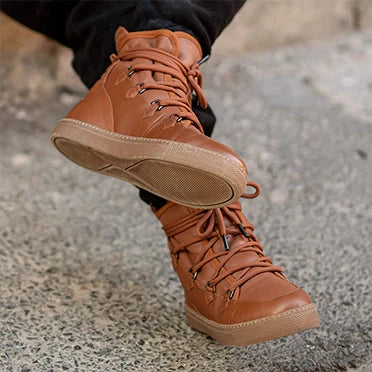

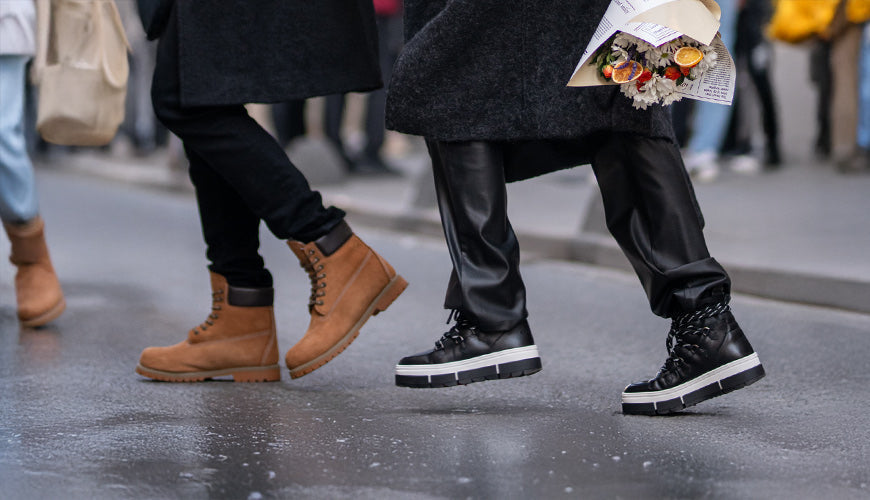
The Sunday markets in London are a good test for boots and walking shoes. You are on your feet for hours, weaving through crowds and stepping from the pavement to the cobblestones and the occasional muddy spot by a flower stall. Columbia Road Flower Market and Portobello Road Market are also excellent places to take pictures, so you want boots that match your outfit and feel even better by hour three.
A Brief Summary
- Pick a boot shape that fits your day: ankle boots for speed and flexibility, mid-calf boots for warmth, and lace-ups for support.
- Make sure the footbed is cushioned, the sole is flexible, and there is enough room at the toe.
- When looking for market shoes, look for grip: a deeper tread helps on slick cobbles and wet paving.
- Water resistance is more important than you might think in UK weather, especially at Portobello after it rains.
- "Walkable height" means that a low heel or stable block is usually easier than something that is narrow or high.
- The break-in should be gentle, not painful. If it hurts in the store, it will hurt at the market.
- When you try on boots, wear the socks you will actually wear on Sundays.
- Make a plan for how to take care of your boots. Waterproofing, brushing, and drying them properly will make them last longer.
- If you want a single pair of boots that can serve multiple purposes, a supportive leather ankle boot is typically the safest option. Additionally, if you are creating a small capsule wardrobe, consider adding a second pair that is warmer and lined for the winter market season.
Why These Two Markets Need "Real-World" Boots
Columbia Road is small, busy, and moves quickly. You might have to stop and start all the time, shuffle sideways through a crowd, and carry flowers in one hand while trying not to slip on a wet corner.
Portobello is longer, features a greater variety of terrain, and can easily be transformed into a day-long walk, particularly if you explore antiques, then food, and return again.
Some parts of the path are slippery when it rains, and you can feel the ground through thin soles.
Comfort is not something that is "nice to have" in either place. It is what makes you have fun or contemplate your feet all afternoon.
What "Comfortable Boots" Really Means for Market Walking
Comfort isn't just one thing; it's a mix of things. This is what matters most when you are walking, standing, and carrying things.
Support That Fits Your Walking Style
If you tend to roll inwards (overpronation) or outwards, you'll feel it more on uneven ground. Boots that have a stable sole, a structured heel counter (the back of the boot that supports your heel), and a supportive footbed usually feel safer.
Toe Box Room for Swelling
Swelling is common after spending all day on your feet at the market. A toe box that is a little bigger can help keep your toes from rubbing against each other, putting pressure on your nails, and feeling "cramped" in the late morning.
Cushioning Without Wobble
A cushioned footbed can make cobblestones and hard pavement feel softer. The key is to stay away from a sole that feels too soft and wobbly. You want a step that absorbs shock and is easy to predict.
A Snug Fit at the Heel
One of the quickest ways to get blisters is to slip on your heels. A comfortable boot keeps the heel in place and feels good around the ankle.
The London Market Boot Checklist
This is the most important part to remember. When you look at boots, either online or in person, use these criteria.
Sole: Grip, Flexibility & Thickness
- Grip: Look for tread that can handle wet roads. On a drizzly morning, smooth soles are dangerous.
- Flex: A boot should bend where your foot bends, which is near the ball of your foot. Long walks can be tiring if the boot is stiff like a plank.
- Thickness: A thicker sole can help with "cobble fatigue" and keep your feet warmer in the winter.
Stable Beats a High Heel
A low heel or a stable block heel is usually the easiest to walk in. If you like being a little taller, pick a shape that spreads the pressure and keeps your ankle stable.
Upper: Pick the Right Material for Your Life
- Leather: Usually a good all-around choice for structure, durability, and ease of cleaning.
- Suede: Softer and more visually interesting, but it needs more protection when it's wet.
- Lined choices: Good for the colder months; make sure they are warm and breathable.
Fastenings: Lace-Ups, Zips & Slip-Ons
- Lace-ups: Best for support and adjustability, especially if you have narrow heels or high arches.
- Zips: Easy to put on and take off, which is ideal for busy mornings. Just make sure the boot still fits snugly around your foot.
- Slip-ons: They look good and are simple to wear, but they have to fit perfectly to avoid rubbing.
Best Boot Styles for Columbia Road and Portobello
You can definitely wear many different styles to these markets. This is how to pick based on how you really shop.
Ankle Boots (The “Most Sundays” Choice)
Ankle booties go well with jeans, pants, and winter dresses. They are also easier to walk in than taller shafts, and they work well with the constant stop-and-go of Columbia Road.
Choose ankle boots when:
- You want one pair that works for fall, winter, and early spring;
- You move quickly through crowds;
- You want to style your outfit without thinking too much about it.
Lace-Up Boots (Best for All-Day Portobello Walking)
If Portobello becomes a long route for you, lace-ups are difficult to beat. It's helpful that they can be adjusted because your feet may swell during the day. They also feel supportive on uneven surfaces.
When you walk for a long time and want consistent support, when you want a more "locked in" fit, or when you carry heavier bags and want stability, choose lace-ups.
Chelsea Boots (Easy, but Watch the Sole)
Chelsea boots are a classic style from London. For markets, make sure the sole has excellent grip and enough padding. A sleek Chelsea with a smooth sole can look great but be difficult to walk on cobblestones.
Choose Chelsea boots when:
- You want a shape that's straightforward to pull on in the morning.
- Your outfit is simple.
- You find a pair with a sole that supports and grips well.
Mid-Calf Boots (Best for Cold, Slower Days)
In the winter, mid-calf boots can keep your feet warm and safe. You can pair them with skirts and tights for a more formal market look. When choosing shoes to walk in, make sure the sole is flexible and the shafts don't rub against your shins.
If you are outside in the cold, standing for a long time (such as in coffee lines or while browsing stalls), or if you prefer a warmer, more covered fit, consider choosing mid-calf boots.
How to Get the Right Fit Before You Buy
While marketing is important, the fit is what truly makes boots comfortable.
Try Boots When Your Feet Are at “Real Size”
Later in the day, your feet may swell. If you can, try on the boots in the afternoon or evening. If not, walk around inside for a while before making a decision.
Wear the Socks You’ll Actually Wear
This is the most common mistake people make. Thick socks change how they fit. If your boots are a little loose, thin socks can rub against them.
Do a Real Walk Test at Home
When you try on boots, walk on hard floors and go up and down a few flights of stairs.
- Practice stopping and turning, just like you do in crowds.
- Check the pressure on your toes and heels.
If it feels "almost fine,", it probably won't get better later. It is normal to feel a little pain when you first start.
Mistakes That Ruin a Sunday Market Day
Choosing Style Over Comfort
A pretty boot with a thin, hard sole will look great in pictures but feel terrible by lunchtime. The sole serves as the driving force in the market.
Going Too Narrow at the Toe
Swelling and narrow toes equal pressure. If you like a pointed look, try to find a shape that still leaves room for your toes.
Ignoring Grip on Wet Pavements
Not paying attention to grip when it's wet – London pavements get slippery. If you've ever slipped on a wet slab, you know how important this is.
Wearing New Boots All Day
If you just bought a new pair, take shorter walks to break them in first. Even well-made boots may require a few wears to acclimatise and soften.
Outfit Ideas That Work With Comfy Boots
The style of the market is laid-back, layered, and useful. These combinations look thought out without being too fussy.
Columbia Road Outfit Ideas
- Jeans with straight legs, ankle boots, and a warm coat you can move in.
- A knit dress, tights, and block-heel ankle boots.
- Wide-leg trousers, Chelsea boots and a scarf (so you can hold flowers).
Portobello Outfit Ideas
- Comfortable lace-ups, thick socks, and denim or cords.
- Ankle boots, a long coat, and a crossbody bag (less strain on the shoulders).
- For colder Sundays, wear a skirt, mid-calf boots, and a knit.
One "editor-approved" rule is to keep the boots practical and let your coat or knitwear do the talking.
Rain in London: Keeping Boots Dry (and Safe)
London's mood can change quickly, even when the weather looks good. This is especially true on long outdoor routes like Portobello.
- Leather: A good protector can help keep light rain and stains away.
- Suede: A protective spray is often necessary, and you should brush it often to keep it looking new.
What to Do If Your Boots Get Wet
- Let them dry naturally, away from direct heat (like radiators, which can make them crack or stiff).
- Fill them with paper to help them keep their shape and soak up water.
- Depending on the finish, brush (suede) or wipe and condition lightly (leather) after it dries.
How to Keep Boots Comfortable Long-Term
Comfort isn't just how boots feel the first day. With proper care, they can stay supportive and wearable for a long time.
Rotate Your Boots
If you wear the same boots every day, they may not last as long. If you can, switch pairs so they can air out and get back into shape.
Replace Insoles When Needed
If the boot lets it, changing the insole can make a big difference in comfort, especially if you walk a lot.
Check the Outsole (Resole if Worth It)
If you see smooth spots, uneven wear, or less grip, it might be time to fix or resole the shoes, depending on how they were made. Taking care of a sturdy pair of boots is often worth it.
A Gentle Guide to Choosing Boots on Pegia
If you're looking for Sunday market boots on Pegia.com, start with a wide search and then narrow it down based on how you shop:
- Do you walk for two hours or five?
- Would you rather move quickly or look around slowly?
- Do you get cold?
- Do you wear thicker socks in the winter?
And if you're buying for someone else, comfort-first options like supportive ankle boots or easy lace-ups are usually safer than super-sleek shapes that need to fit perfectly.
Questions that are often asked (FAQ)
Which is better for Portobello Road Market: lace-up boots or ankle boots?
If you walk for an extended period, lace-up shoes are often preferable because they allow for adjustable fitting and provide enhanced foot security. Ankle boots are great too, but make sure they have good cushioning and grip.
What height of heel is best for walking around in markets?
A low heel or a stable block heel is usually the most comfortable for walking and standing for a long time. Heels that are very high or very narrow can get tiring quickly on uneven ground.
How can I keep my boots from giving me blisters on a long day out?
Make sure the heel fits perfectly, wear the socks you plan to wear, and break in the boots slowly. If rubbing starts, blister plasters and socks that are a little thicker can help, but the best solution is usually to get a better fit.
Do Chelsea boots work well in wet London weather?
Chelsea boots can be suitable for wet London weather, provided that the sole has good grip and the upper material is well-maintained. Sleek soles with no tread are more likely to slip on wet pavement.
Should boots be tight at first because they "will stretch"?
They might get a little softer, but boots shouldn't pinch or hurt when you try them on. If the toe box feels tight or the heel rubs right away, stretching usually doesn't fix it completely.
What kind of boot material is best for the market season?
Leather is often a good all-around choice because it is strong and easy to clean. Suede can look lovely, but it usually needs more protection and brushing on a regular basis.
What should I do to take care of my suede boots after a day of mud or rain?
Let them air dry, then use a suede brush to lift the nap. Before you wear it again, use a suitable protector to help keep stains from happening.
Should you buy a lined boot for winter markets?
If you get cold easily, a lined boot can make a big difference in how comfortable you are on long mornings outside. Just make sure the boot doesn't feel too tight with winter socks and that it still lets air in.
How much space should there be in the toe of my walking boots?
You should be able to move your toes. A little extra room helps with normal swelling that happens after a few hours of walking, especially in the winter when socks are thicker.
What should I bring to the Sunday market to stay comfortable?
Wear boots that support your feet, bring socks that are appropriate for the weather, and think about using blister plasters if you are breaking in a new pair. A crossbody bag also keeps your hands free and makes it easier on your body.
Final thoughts: It's easy to be stylish when you're comfortable
You want to take your time on Columbia Road and Portobello. Stop for coffee, find something unexpected, and walk home feeling pleasantly worn out but, not sore. When your boots fit well, have excellent grip, and are comfortable, everything else (clothes, layers, and accessories) falls into place more easily.