
Quick Overview: What Matters Most in UK Winter Boots
- First, think about grip. For UK pavements, deep, multi-directional tread is usually more important than "snow boot" style.
- For everyday winter in the UK, look for water-resistant uppers, seams that are sealed, and a finish that sheds water. Then keep it up.
- These qualities are not synonymous with waterproofness or water resistance. Know what you're buying and what you need to do after you buy it.
- Choose warmth based on what you're doing: walking needs insulation and breathability, commuting needs comfort and traction, and standing still needs more lining.
- If you have to walk through slush, puddles, and rough ground, look for a higher ankle and a snug fit.
- Before wearing suede and leather for the first time, treat them properly before first wear. Throughout the winter, reapply protection regularly.
- Snow is not the same as ice. Rubber compounds and tread patterns can help, but nothing is "ice-proof" without extra grips.
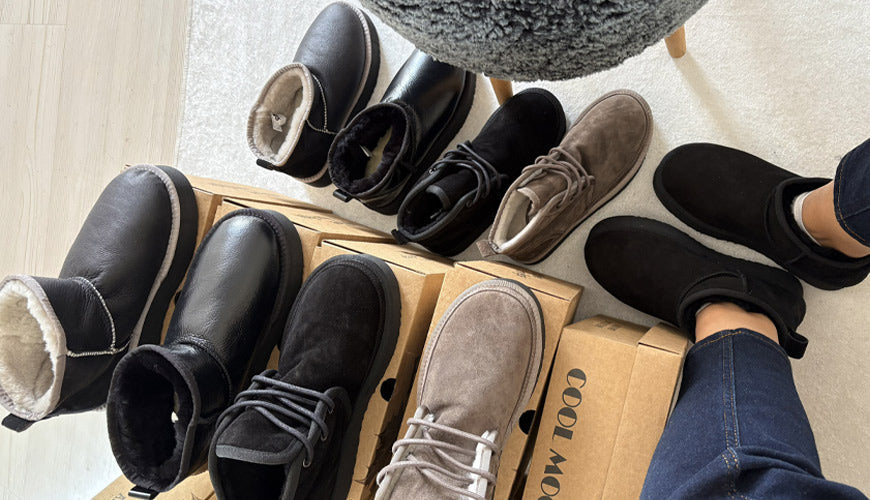
- Think about getting a second pair: one for rainy days in the city and one for colder, drier days (or walks in the country).
- A boot that is well cared for lasts longer and often feels better than a brand-new pair with the wrong sole.
Why UK Winter Boots Are Hard to Get Right
UK winters are not usually one-note. You might get driving rain, then a cold snap that makes wet pavements slippery, and then a light dusting of snow that turns into slush by lunchtime. That mix is why a lot of people end up with something that doesn't do either job well when they try to choose between "waterproof hiking boots" and "nice-looking ankle boots".
Most UK wardrobes need boots that:
- Can handle wet surfaces and puddles.
- Are comfortable for walking every day.
- Have a good grip on cold pavements.
- Can be kept in good shape so they keep working after the first month.
What “The Best Winter Boots” Really Means in Real Life
There isn't one best boot for everyone. The right choice depends on where you spend your winter days.
The Three Most Common Winter Situations in the UK
- Commuting in the city: wet sidewalks, station platforms, short bursts of time outside and a lot of time inside.
- Walking the dog and on park paths: muddy ground, leaves on the ground, and cold toes from walking slowly.
- Walks in the countryside and along the coast: uneven ground, long exposure to wetness, and stronger wind chill.
A boot that fits one person perfectly might not fit another person at all. For example, boots with a lot of insulation can feel damp on a hot train, and fashion soles can feel slippery on wet paving slabs.
What to Look for Before You Buy: A Practical Checklist
When you compare pairs, use this as a quick filter.
1. Grip Comes First (Outsole Matters Most)
Look for:
- Deep tread (not just decorative ripples).
- Lugs that go in different directions (for braking and turning).
- A sole that feels a little "tacky" instead of hard and shiny.
Stay away from:
- Very smooth soles or soles with little tread.
- Hard, shiny soles that can slip on cold, wet stone.
2. Weather Protection: Waterproof vs Water-Resistant
If you often walk through puddles, look for a water-resistant finish or a membrane.
- Look for boots with higher sidewalls or a stitched construction that prevents water from entering.
- A higher shaft for slush or heavy rain
Keep in mind that even "waterproof" boots can get wet from the top if you step into water that is deeper than the ankle opening.
3. Warmth Without Overheating
Warmth comes from:
- Lining material (wool, sheepskin, fleece, fabric).
- Insulation in the insole and underfoot.
- Enough space for circulation and socks.
When boots trap moisture, they can get too hot. If you walk quickly, being able to breathe is more important than having the most insulation.
4. Fit, Stability & Foot Support
A boot should keep your foot safe in the winter. When you slide inside the boot, it gets colder and can make blisters form faster on wet days.
Check for:
- A heel cup that stays in place.
- Lacing or an adjustable closure (or a snug, supportive elastic gusset) • Enough room in the toe area to move around, especially with thicker socks.
Winter Boot Terms You Should Actually Understand
Water-Resistant vs Waterproof: What’s the Difference?
- Water-resistant boots can keep light rain and splashes out, especially if they have been treated, but they can get wet if it stays wet for a long time.
- Waterproof boots are made to keep water out better, usually with membranes and sealed construction. But they still need care and can fail if water gets in from above or the finish breaks.
What Is a Gusseted Tongue?
A gusseted tongue is attached to the sides of lace-up boots. It helps keep water and dirt from getting in through the lace area. It works especially well on paths that are slushy or muddy.
What Is Sheepskin and Why Is It Used in Winter Boots?
Sheepskin (which is often used as a lining) usually helps keep things at the right temperature. It can feel warm in the cold and is often more breathable than linings made only of synthetic materials. It doesn't automatically keep water out, so it's important to use it wisely and with good weatherproofing.
The Best Types of Winter Boots for Rain, Ice & Snow in the UK
Instead of a single winner, think of these as "best for purpose" groups.
Waterproof Lace-Up Walking Boots
A waterproof lace-up boot is often the best choice if you walk every day in parks, on towpaths, or on trails in the countryside.
Why they work in the UK:
- Better ankle support on wet, uneven ground;
- Often made for traction and longer wear;
- Socks make it easier to get the right fit.
Be careful:
- Some people think they are too big for work.
- The soles are very stiff, which can make them tiring to walk on hard surfaces.
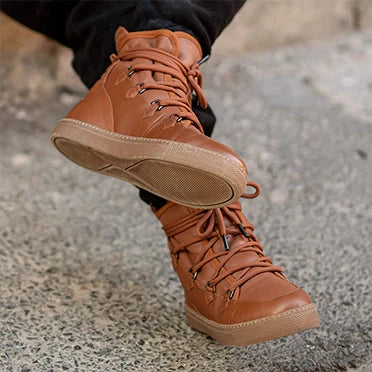
Tough Ankle Boots for City Commuting
A well-made ankle boot with a grippy sole can be a better choice for everyday wear in the city than a tall boot.
Why they work:
- Easy to put on and take off.
- Usually lighter It works well with jeans, trousers, and winter skirts.
Things to watch out for:
- If the outsole is too smooth, you lose the main winter advantage.
- Low shafts can let water in when it rains hard or when there are deep puddles.
If you want a classic shape that is ready for winter, pay less attention to the silhouette and more to the sole and weather treatment.
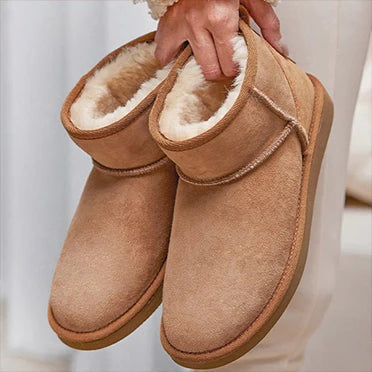
Sheepskin-Lined Boots for Cold, Dry Days
When it gets cold, sheepskin-lined boots can feel very warm, especially if your feet are always chilly.
Why they work:
- They keep your feet warm and comfortable all day.
- They often feel soft underfoot and around the ankle.
- They can go with casual outfits without looking too technical.
Be careful:
- If the outer is suede and you're facing constant rain, they usually need proper protection.
- They aren't great for soaking repeatedly unless they're made for that. If you're considering going this route, you might want to keep a pair as your "cold day" option and use a more weatherproof boot for constant rain.
Tall Boots for Slush and Heavy Rain
A taller shaft is helpful when the ground is wet, the snow is melting, or you just want more coverage.
Why they work:
- Better splash protection.
- Warmer lower leg.
- This jacket is suitable for commuting to school and waiting outside.
Be careful:
- It can get too hot inside.
- The fit is harder (calf width and ankle movement are important).
When Snow Boots Are (and Aren’t) Worth It
In most of the UK, snow boots are too much most winters, but they are helpful if you live in a cold area, travel to a snowy area, or spend a lot of time outside.
Good snow boots have:
- High shafts.
- Insulation was made to keep you warm for a long time in the cold.
- Deep treads are made for snow.
But some snow boot soles can feel clumsy on wet city sidewalks, and some patterns work better in soft snow than on slick slabs.
Why Ice Is the Hardest Test for Any Winter Boot
Ice is where marketing claims start to break down. Even excellent tread can have trouble on smooth, frozen surfaces.
- Choose a boot with a rubbery, high-traction outsole and a clear tread.
- Take shorter steps and keep your centre of gravity steady.
- If you often walk on icy sidewalks, you might want to get traction grips that go over your boots for those days (especially helpful for older people or people with kids).
How to Choose the Right Winter Boots for Your Lifestyle
If You Commute Daily
Look for a grippy outsole, a water-resistant upper with a protective treatment, moderate insulation or a breathable lining, and a comfortable insole for hard surfaces.
This is where a smart, tough ankle boot or a well-made lace-up boot really shines.
If You Walk the Dog in All Weather
- A construction that is waterproof (or very strong water resistance).
- A gusseted tongue on lace-ups.
- Deeper tread.
- Materials that are easy to clean.
If You Get Cold Feet Easily
- The lining, socks, and fit all work together to keep you warm.
- A boot with a naturally insulating lining (including sheepskin options) for colder days.
- A fit that is a little roomier to let warm air circulate.
- An insole that supports your foot and keeps cold air from coming up from the ground.
Materials Matter: Leather, Suede & Rubber Explained
Leather pros: It lasts a long time, can be weatherproofed with the right finish, and often moulds to your body over time.
Cons: Needs care; leather that hasn't been treated can soak up water and get stained.
Pros: Suede looks soft, feels excellent, and is often lighter.
Needs to be protected and brushed regularly; if you don't, water and salt marks are common.
If you love suede in the winter, you have to protect it.
Rubber And Boots
Pros: excellent at keeping water out.
Cons: They can make you sweat, don't grip ice well, and aren't as supportive for long walks unless they're well-made.
Wellies are ideal for mud and water that is standing still. Many people prefer a boot that is more structured and comfortable for walking every day.
The Winter-Proofing Routine: Protect, Maintain, Repeat
After you buy winter boots, do this one thing.
Before First Wear
Step by step: protect it before the first time you wear it.
- Get rid of dust (use a soft brush for suede and a damp cloth for leather).
- Use a spray or cream that is right for the material as a protector.
- Let it dry completely away from direct heat.
- If the product instructions indicate that a second light coat is necessary, apply it.
- If you want more warmth or cushioning, add an insole.
Weekly Winter Maintenance
Winter maintenance once a week (or as needed).
- Clean off dirt and mud from the road before it dries.
- Put on more protection when the water stops beading on the surface.
- If your boots get wet, let them dry naturally. Never put them on a radiator to dry.
Put a protector, a brush, and a cleaner that works with your material in your small winter care kit.
Common Winter Boot Mistakes (and How to Avoid Them)
- Buying for warmth and forgetting about grip. The risk of slipping makes comfort go away quickly.
- Wearing socks that are too tight during the winter can lead to discomfort. Tight boots cut off blood flow and make your feet feel colder.
- If "waterproof" means "no maintenance". Finishes wear off, and protection needs to be added.
- Using high heat to dry boots. This can bend materials and make them last less long.
- Wearing the same boots for everything. A second pair can keep your favourite boots from getting wet all the time.
The Smart Two-Boot Winter Wardrobe for the UK
This method is easy and works for many UK households if you're sick of being let down by winter shoes:
- Wet-day boots: make sure they keep your feet dry and give you excellent grip (for school runs, commuting, and muddy walks).
- Cold-day boot: comfort and warmth come first (on crisp days, for casual wear, and for city errands).
That way, you won't have to wear a bulky waterproof boot to dinner when it's just chilly or a cosy-lined boot through constant rain.
Frequently Asked Questions About Winter Boots (FAQ)
Do I need boots that won't get wet in the UK winter?
Waterproof (or very water-resistant) boots are usually worth it if you walk outside every day in the rain and puddles. If you spend most of your time inside and only go outside for short periods of time, strong water resistance and good aftercare may be enough.
Are suede boots good for winter?
Yes, but only if you take care of them and keep them safe. Before you wear suede for the first time, treat it. Throughout the season, reapply protection, and clean off salt marks right away.
What kind of sole is best for icy sidewalks?
Look for a rubber outsole with deep tread that grips. Even with good shoes, ice can still be a challenge, so consider using traction grips on particularly icy days.
Do boots with sheepskin lining keep your feet warm enough in the UK?
Indeed, this is true for many individuals. In the winter, sheepskin linings are often warm and comfortable, especially for everyday wear. They aren't automatically a "wet weather" solution, so it's important to use them wisely and with protection.
Should winter boots fit snugly or loosely?
The heel and midfoot should feel secure, but the toes shouldn't feel tight. It's beneficial to have a little extra room for thicker socks, but too much room can make things rub and make them less stable.
What can I do to keep my winter boots from smelling damp?
Avoid direct heat, let them dry completely between wears, and switch pairs if you can. Socks made of natural fibres and insoles that can be taken off can also help.
How often do I need to use waterproofing spray again?
It depends on how often you wear the boots and how wet the winter is. Reapply after cleaning or when the water stops beading on the surface.
What is the best height for boots in the rain and slush?
If you stay away from deep puddles, ankle boots are fine for most rain. But mid-calf or taller boots are better for slush and heavy rain.
Can I wear insulated boots to work and on the train?
You can, but boots that are hot may feel too warm inside. If you drive to work, think about getting a pair with moderate insulation and breathable linings. Or you could just bring a lighter pair with you.
Do I need to wear special socks with my winter boots?
Socks don't always help, but they do occasionally. A mid-weight wool or wool-blend sock is usually better at keeping your feet warm and dry than a very thin cotton sock.