
When you are staring at two pairs of shoes—one budget, one “investment”—the question is rarely just about money. It is about whether your feet (and your calendar) will feel better six months from now. It is about whether the shoes still look good after rainy commutes, weekend walks, and the odd dash for a train. And it is about whether you end up buying the cheaper pair twice.
The honest answer is: sometimes expensive shoes are absolutely worth it, and sometimes they are not. Price can be a clue, but it is not proof. What matters is what you are paying for: fit, materials, construction, and the ability to maintain and repair the shoe over time.
Quick Summary: Are Expensive Shoes Worth It?
- “Expensive” does not automatically mean comfortable; fit and shape (the “last”) matter more than branding.
- The best value usually comes from shoes built with repair in mind (replaceable soles, solid uppers, quality stitching).
- Cost-per-wear is a smarter way to compare than the price tag—especially for daily shoes.
- Natural materials like luxurious leather and sheepskin often age better and can feel more breathable in many cases.
- Comfort is a system: width, arch support, heel stability, cushioning, and where the shoe bends all need to work together.
- Budget shoes can be great for occasional use, trend-led styles, or situations where shoes get ruined (festivals, messy DIY).
- Buying something “too nice” but wrong for your lifestyle is a common mistake (e.g., delicate suede for a winter commute).
- A simple care routine (cleaning, conditioning, protecting, and drying properly) can double the useful life of many shoes.
- If you want long-term comfort, prioritise fit first, materials, then construction—price last.
What Do We Actually Mean by “Expensive Shoes”?
“Expensive” is relative. In footwear, it usually means you are paying above the mass-market average for one (or several) of these:
- Better upper materials (full-grain leather, high-quality suede, real sheepskin).
- More complex construction (stitched soles, reinforced heel counters, stronger linings).
- More consistent sizing and shaping (better-designed lasts, multiple width options in some brands).
- Finishing and durability (edges, stitching density, hardware, protective treatments).
- Repairability (soles that can be replaced, uppers that can be restored).
You can also be paying for design and branding. That is not “wrong”—style matters—but it should not be confused with comfort or longevity.
Why Cheap Shoes Can Feel Comfortable at First
Many budget shoes feel comfortable in the shop because they are soft, flexible, and often lightly structured. That initial “ahh” can be genuine. The problem is what happens after repeated wear.
Why Initial Comfort Can Be Misleading
Over time, lower-cost components can compress or deform:
- Insoles flatten and stop cushioning pressure points.
- Heel support softens, allowing more foot movement (rubbing and instability).
- Outsoles wear quickly, changing how you strike the ground.
- Uppers lose shape, so the shoe no longer holds your foot securely.
None of this is guaranteed—there are brilliant affordable shoes—but it explains why comfort is not just a first-impression test. For a clear comparison between lower-cost materials and premium options, see our breakdown of sheepskin versus synthetic footwear.
What You’re Really Paying for When Price Is Justified
A higher price is most “worth it” when it buys you specific upgrades that you can feel and keep.
Materials That Break In Instead of Breaking Down
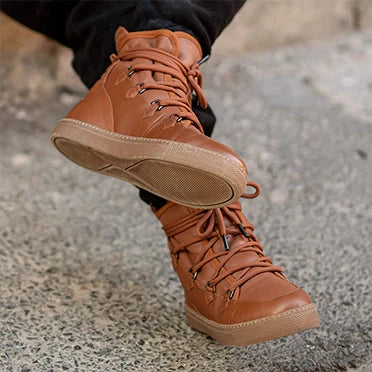
Quality leather typically moulds to the feet over time. It can soften where you need movement while keeping structure where you need support. Many people find this leads to a more “personal” fit after a few wears.
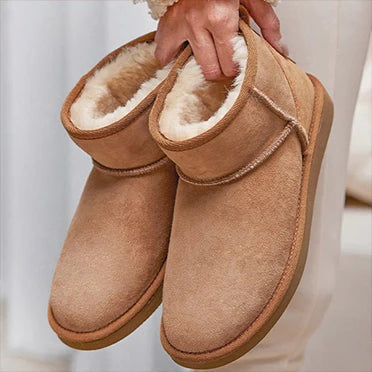
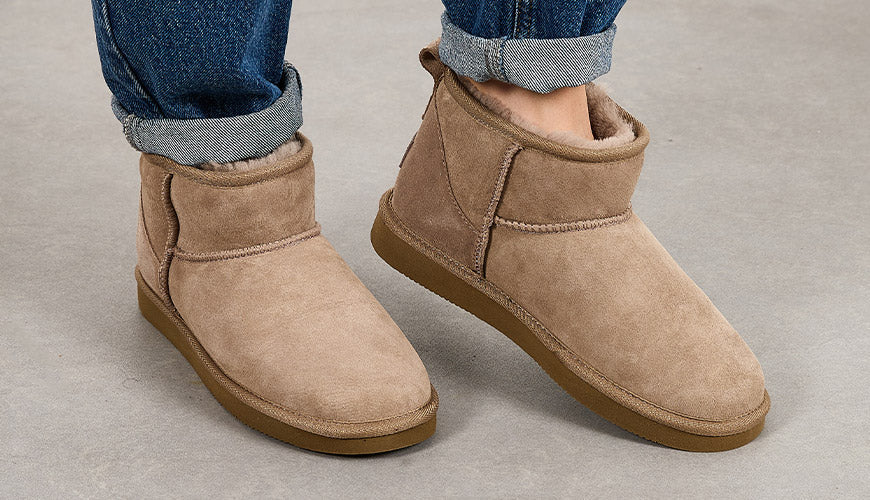
Sheepskin and other natural linings can be appealing for comfort because they often help with temperature regulation in many everyday conditions—warmth in winter, and a less clammy feel for some wearers compared with fully synthetic linings.
The comfort benefits of natural linings are explained further in our article on how sheepskin properties support everyday foot comfort.
Construction That Holds Its Shape
Comfort is not only softness. Structure matters, especially around the heel and midfoot.
Look for:
- A firm heel counter (the “cup” at the back)
- A stable waist (the midfoot area should not twist like a tea towel)
- Neat, dense stitching (often a sign of stronger seams)
- A sole that is thick enough for your surfaces (pavements, cobbles, station platforms)
Repairability and Long-Term Value
If a shoe can be resoled, it can often outlive several pairs of “disposable” shoes. For many people, this is where cost-per-wear flips in favour of the investment.
Clues a shoe may be repairable:
- The sole is stitched (not just glued).
- The upper has enough substance to survive multiple sole replacements.
- The brand talks about aftercare and materials (without being vague).
If you are comparing long-term value across styles, you can explore Pegia’s women’s and men’s footwear together in the Pegia women’s and men’s footwear collection.
Comfort Is More Than Cushioning
If you want long-term comfort, use this quick framework. It works whether you are buying budget or premium.
The Five-Part Fit Check
- Length (thumb-width rule, but be honest)
Aim for a little space in front of the longest toe when standing. Too short causes pressure; too long can cause sliding and rubbing. - Width (your foot should not “spill”)
If you see your foot bulging over the sole edge, the shoe is likely too narrow—even if the length feels right. - Heel hold (no lift with every step)
A small amount of lift can happen in new shoes, but if your heel pops up noticeably, you will probably get blisters. - Flex point (the shoe should bend where your toes bend)
If the shoe bends in the wrong place, your foot works harder, and the upper creases awkwardly. - Arch and midfoot support (secure, not squeezed)
Support should feel steady rather than like a hard lump. If you need extra support, look for removable insoles so you can tailor the fit.
The Cost-Per-Wear Test
Instead of asking “Is it expensive?”, ask: “How much will it cost me each time I wear it?”
Step-by-Step Cost-Per-Wear
- Estimate how often you will realistically wear the shoes (be conservative).
- Estimate how long they will last with normal care.
- Divide the price by total wears.
Example thinking (no exact prices needed):
A cheaper pair worn twice a week for one winter may cost more per wear than a well-made pair worn twice a week for three winters.
Cost-per-wear is especially useful for:
- Everyday boots
- Work shoes
- Comfortable travel shoes
- House shoes you wear daily (slippers can be a genuine comfort upgrade)
This idea is explored in more detail in our guide on why sheepskin boots are considered a long-term footwear investment, especially when cost-per-wear is taken into account.
When Expensive Shoes Are Worth It
You Wear Them a Lot
If a pair is in your weekly rotation, durability and maintained comfort matter more. Better materials and stronger build tend to show their value here.
You’re Tough on Shoes (UK Weather Counts)
Rain, grit, and constant pavement mileage are hard on footwear. A sturdier upper and a sole that can be maintained or replaced often makes the difference between “one season” and “many seasons”.
You Have Ongoing Comfort Issues
If you frequently get rubbing, hot spots, or fatigue, a better-shaped shoe with stronger heel hold may help in many cases. But do not rely on price alone—focus on fit and structure.
You Value Repair and Upkeep
If you like the idea of maintaining rather than replacing, investment footwear makes more sense. A shoe that can be cleaned, conditioned, and refreshed is a very different proposition from one that cannot.
When Expensive Shoes Are Not Worth It
You Are Paying Mainly for Branding
Designer shoes can be beautifully made, but price can also reflect marketing and status. If the construction and materials do not match the premium, it is not a comfort investment—it is a style choice.
The Style Is Too Niche for Your Life
A delicate suede shoe might be gorgeous, but if you live in it through winter puddles, you are buying stress. Choose the right shoe for the job, then buy the best version of that shoe.
You Do Not Intend to Care for Them
Higher-quality materials repay basic care. If you know you will not protect suede, clean salt marks, or dry shoes properly, a cheaper “beater” pair may be the smarter pick.
How to Spot Value Without Being an Expert
What to Check in the Upper and Lining
- Leather: look for a consistent grain, no plasticky shine, and a supple feel that still has body
- Suede: should feel even, not thin or papery
- Linings: avoid rough seams where your foot will rub
Sole, Stitching, and Heel Structure
A neat sole edge and tidy stitching often indicate attention to build quality. If everything looks rushed, it often is.
Press the Heel Counter
It should resist collapse. A stronger heel area usually improves stability and reduces heel slip.
Do the Twist Test (Gently)
Hold the shoe at toe and heel. A shoe should bend at the forefoot, not twist like a cloth. Total rigidity is not ideal either—aim for controlled flexibility.
Common Mistakes That Waste Money
- Buying the wrong size because you “always are” a certain size. Sizes vary; try shoes on when your feet are slightly warmer (afternoon is often more realistic).
- Assuming softness equals support. A pillow-soft shoe can still cause fatigue if it lacks structure.
- Wearing new shoes for a full day immediately. Even premium shoes need a settling-in period.
- Ignoring socks (or the lack of them). Sock thickness changes fit. Decide how you will wear them most of the time.
- No protection routine. In the UK, water and salt marks are predictable—plan for them.
Breaking In Shoes the Right Way
Breaking in should be gradual, not painful.
A Sensible Break-In Routine
- Wear indoors for short periods first (20–60 minutes)
- Test on the surfaces you actually walk on
- Use thicker socks briefly if the fit is close (not tight)
- If you feel pressure points, stop and reassess—do not “push through” sharp discomfort
With leather uppers, you are aiming for gentle moulding. If the shoe is wrong in shape, time rarely fixes it.
Care and Protection: Making the Investment Pay Off
A consistent care routine plays a major role in longevity, as outlined in our complete guide to caring for sheepskin footwear. If you want long-term comfort and appearance, maintenance is non-negotiable—but it does not have to be complicated.
Leather Care Basics
- Brush or wipe after wear to remove grit (grit acts like sandpaper).
- Dry properly if wet: remove insoles if possible, stuff with paper, keep away from direct radiators.
- Condition occasionally to prevent the leather drying and cracking.
- Protect with an appropriate product before bad weather.
Suede and Nubuck in the UK
Suede can last brilliantly, but it needs protection.
- Use a suede brush to lift the nap
- Apply protector before first wear
- Spot-clean rather than soaking the material
Sheepskin Care for Daily Comfort
Sheepskin benefits from gentle maintenance:
- Air them out regularly
- Brush lightly to keep fibres fresh
- Avoid saturating with water
- Let them dry slowly if they get damp
This is a good example of where “comfort per day” matters. If you are in slippers every evening, a well-made pair can be one of the most cost-effective comfort buys in your wardrobe.
Building a Smart Shoe Rotation
A common reason shoes fail early is overuse. Rotating pairs helps them dry fully and recover shape.
A practical UK rotation could look like:
- One everyday boot or sturdy shoe for wet weather commuting
- One lighter pair for dry days and smarter outfits
- One comfortable home pair (slippers) that keeps indoor floors from flattening your outdoor shoes’ soles faster
This is not about owning loads. It is about letting each pair do the job it was built for.
Final Verdict: Are Expensive Shoes Really Worth It?
They are worth it when the higher price buys you measurable upgrades: better fit, better materials, stronger construction, and the ability to maintain the shoe so it stays comfortable. They are not worth it when the premium is mostly branding, the style does not suit your real life, or the shoe cannot be cared for and repaired sensibly.
If you remember one rule, make it this: fit first, then materials, then construction—price last. A well-fitting mid-priced shoe can beat a poorly fitting expensive one every time.
Frequently Asked Questions (FAQ)
Are expensive shoes always more comfortable?
No. Comfort depends more on fit, shape, and support than price. Higher-quality shoes can stay comfortable longer, but only if the shoe suits your foot.
How long should quality shoes last?
It varies by use and care. Daily wear on wet pavements will shorten lifespan, while rotation and basic maintenance can significantly extend it. Repairable shoes can last much longer than disposable pairs.
Is it worth paying more for leather?
Often, yes—if it is good-quality leather and the shoe is well built. Leather can mould to your foot and is usually easier to maintain than many synthetics, depending on how you use and care for it.
Are designer shoes worth it?
Sometimes, for design and craftsmanship—but not automatically for comfort. Check materials, construction, and heel hold, and buy them for style with realistic expectations about durability.
Can cheap shoes be good value?
Absolutely. They can be ideal for occasional wear, trendy styles, or situations where shoes are likely to be damaged. Just be realistic about longevity and support.
How do I know if a shoe can be resoled?
Look for stitched construction, a substantial upper, and a sole design that is not purely moulded as one disposable unit. A cobbler can also advise quickly if you bring the shoe in.
Should I break in shoes by wearing them all day?
It is usually better to build up gradually. Short indoor wear first, then a few hours outside. If a shoe causes sharp pain, it is more likely a fit issue than a break-in issue.
What matters more: cushioning or support?
Both, but support and stability are often what keep shoes comfortable long-term. Cushioning can feel great initially, but if the heel and midfoot are unstable, comfort may fade.
Are sheepskin-lined shoes too warm?
Not always. Many people find natural fibres help regulate temperature in everyday conditions, but it depends on the shoe design and how you wear it (socks, activity level, indoor heating).
What is the best way to protect shoes in UK winter?
Use a suitable protector before first wear, clean off salt and grit promptly, dry shoes slowly away from direct heat, and rotate pairs so each can fully dry between wears.