
For a long time, shopping for shoes has been considered a choice between shoes that look good but hurt your feet or shoes that feel good but make you look like you've given up. That old binary isn't as useful as it sounds in 2026. People's lives have changed (more hybrid work, more walking, and more "one pair for everything" days), and so has what good design looks like.
Comfort is no longer something you have to hide and apologise for. Style is no longer just one shape that changes with the seasons. The real question is: how do you find shoes that do both without falling for marketing phrases that sound good but don't hold up?
This guide explains what "comfort" and "style" really mean in real life, how to quickly judge a pair of shoes, and how to build a shoe collection that works for UK weather, commutes, and everyday life.
Comfort vs Style: A Quick Summary
- If you shop for fit, materials, and construction first and then refine the look, you won't have to choose between comfort and style very often.
- The most "stylish" comfortable shoes usually get the proportions right, like the shape of the toe, the height of the vamp, the thickness of the sole, and the placement of the heel.
- To be comfortable, you need to be able to manage pressure. This means having enough width, stable support, and a sole that bends where your foot bends.
- Quality leather or suede, clean stitching, and a shape that goes well with your trousers and socks are all important for style.
- In the UK, the grip and weather resistance of the outsole are just as important as the cushioning for everyday comfort.
- Don't make the biggest mistake: buying too small because you want to look sleek. A better shape for the last fixes both problems.
- Change pairs and take good care of them. Over time, shoes can lose their shape, crease deeply, or dry out — all of which affect both comfort and appearance.
- Look for classic shapes with modern comfort features (like loafers, low boots, smart trainers, and supportive slippers for home) that can be worn in "one pair."
- If you have to "break in" a shoe to stop it from hurting, it's probably not the right fit or construction for you, not a rite of passage.
What “Comfort” Really Means in Shoes
Comfort is not one thing. It is a group of things that make it easier to move, less painful, and less tiring over time.
What Makes a Shoe Comfortable All Day?
The shoe is comfortable all day long:
- Supports your foot in a steady, predictable way, especially in the arch and heel.
- Spreads the pressure over a larger area (not just one hot spot under the ball of the foot).
- Stays away from places that rub (seams, stiff edges, and heel counters that slide).
- Lets your body move naturally (flex where your toes bend, not in the middle of the arch).
- Stays comfortable after the first five minutes, not just during them.
If you want to do a quick test at home or in a store, stand still, then walk quickly, then slowly. If a shoe only feels good at one speed, it probably means that it isn't quite right in terms of fit, flexibility, or stability.
The Most Important Comfort Features (And Why)
Shape and Fit
- Width and toe space: A sleek toe doesn't need to be cramped. You want enough room to move your toes without the shoe looking big.
- Heel hold: Your heel shouldn't feel like it's being squeezed; it should feel "held." Heel slip makes friction, which makes blisters.
- Volume: Some feet need more height over the instep. You will feel it by lunchtime if the vamp pushes down.
Sole Behaviour
- Flex point: Gently bend the shoe. It should bend near the ball of the foot, not fold in half in the middle of the arch.
- Stability: Ultra-soft soles might feel good at first, but they can get tiring if they wobble on uneven sidewalks.
Lining and Upper Materials
- Soft uppers make breaking in less painful, but a shoe can be too soft if it collapses and rubs.
- Breathable materials help a lot of the time, especially for indoor shoes or people who get hot on trains.
Balance and Weight
A problem that happens more often than you might think: shoes that are heavier than they look. Extra weight makes you more tired, especially if you walk more in 2026 than you did a few years ago.
What “Style” Really Means in 2026
"Style" and "dressy" are not the same thing. In 2026, style is often about intention. The shoe looks like a choice, not something you threw together at the last minute.
Style Signals That Also Indicate Quality
- Clean lines: fewer panels that aren't needed and stitching that is in the right place.
- Depth of the material: leather and suede that look even, not flat or plastic.
- Proportion: The toe and sole look balanced; they don't look like they have a needle-sharp edge on a chunky sole or the other way around.
- Finish: edges that look clean and hardware that feels strong.
The good news is that many of these style signals also mean comfort, since better materials and construction usually make shoes that last longer.
Why the Comfort vs Style Trade-Off Is Fading
A few practical reasons why this is easier now than it used to be:
- People wear clothes from different categories more often (like smart-casual offices, trainers with tailoring, and loafers with denim).
- Wardrobes are more capsule-driven, so you need fewer shoes to do more things.
- Brands have learned that people won't buy shoes that hurt their feet just because they look good in pictures.
- Wet sidewalks, commuting, and a lot of walking between "short trips" are still part of daily life in the UK. Because of this, grip and durability have become style-adjacent instead of just functional.
A Practical Framework for Choosing Shoes That Do Both
Before you make a decision, use this as a quick list.
Step 1: Define the Real Use Case
Be truthful. Is it for:
- Going to work and back.
- Taking the kids to school and running errands.
- Walking around the city on the weekend.
- Standing all day (for events or shopping).
- Comfort at home that still looks good on video calls or when someone comes to the door.
A shoe that performs one role exceptionally well is often better value than a pair that tries to do everything and succeeds at none.
Step 2: Factor in UK Weather Conditions
In the UK, comfort is often more about how well shoes grip the ground and how well they keep your feet warm than how much cushioning they have.
- For rain and slippery sidewalks, look for outsoles with real tread.
- For the cold, wet months, warmer linings and materials can help many people stay comfortable longer.
- For summer commutes, breathable, lighter materials and less bulky uppers make a noticeable difference.
Step 3: Choose a Shape That Matches Your Wardrobe
To start with, pick one of these and then work on the details:
- Loafers: smart enough for many jobs, easy to wear on travel days. If you are considering loafers for both comfort and polish, this detailed guide on how to choose the best loafer shoes for every occasion explains what to look for in fit, sole structure, and styling.
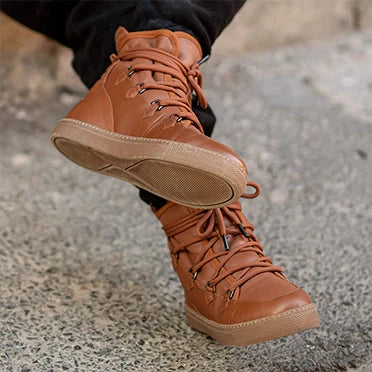
- Chelsea or ankle boots: good for wet weather and easy to wear with jeans and dress pants.
- Minimal trainers: a smart-casual bridge shoe made from high-quality materials.
- Slippers that give you support: good for home but strong enough for quick trips outside.
Step 4: Prioritise Materials
- Leather: With care, it can look better for longer and often moulds to the foot over time.
- Suede: Soft and flexible, but it needs to be protected when it rains.
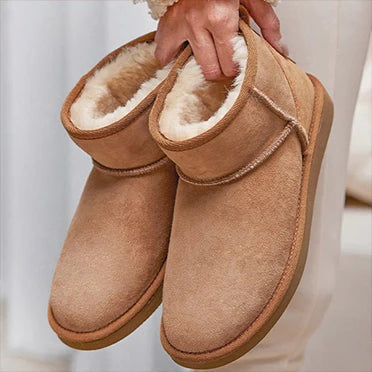
- Sheepskin (for slippers and winter pairs): Popular because it's warm and soft against the skin; better for cold weather and cosy indoor wear. If you are comparing natural warmth with synthetic alternatives, this guide on sheepskin boots vs synthetic materials explains the comfort and durability differences in practical terms.
- Textiles: They can be light and breathable, but the quality can be very different.
Step 5: Check Construction Clues
You don't have to be an expert to figure out the basics:
- Are the seams in places where they will rub (like the back of the heel or the little toe)?
- Does the heel look like it's in the right place and stable?
- Does the sole look like it was glued on as an afterthought or like it was part of the shoe?
- Does the shoe feel like it will keep its shape?
Step 6: Test the Fit Properly
This is the order you should follow:
- Put the shoe on and tie it or lace it up right.
- If you can, walk on a hard floor.
- Look for heel slip.
- While standing, check the space between your toes (feet should be slightly apart).
- Watch for pressure on the top of your foot.
Step 7: Decide Your Non-Negotiables
Choose two things that you won't change, like:
- No rubbing on the heel.
- Enough room in the toes for long walks.
- Grip for wet pavements.
- A shape that goes well with your most worn trousers.
Then pick the one that looks the best and meets those needs.
Common Comfort–Style Mistakes (And How to Avoid Them)
Buying Too Small for a Sleeker Look
This is the quickest way to feel bad. The shoe won't look better if you stop wearing it.
Choose a last shape that is sleek but practical, with a toe that looks elegant but leaves room.
Ignoring Socks and Seasonal Fit
Your socks change how they fit. When you wear thick socks in boots, they can put pressure on your feet. When you wear slippery socks in loafers, they can make your heels move.
A practical approach is to try shoes on with the socks you plan to wear that season.
Choosing Ultra-Thin Soles for Long Walking Days
Thin soles can look nice, but they might be uncomfortable on uneven sidewalks and train station platforms.
Instead, choose a sole that looks refined but still offers enough thickness and grip for real walking.
Accepting “Painful at First” as Normal
Some shoes get a little softer, but rubbing and pressure points usually get worse over time.
A well-constructed shoe can feel structured without feeling uncomfortable.
Persistent discomfort is usually a sign that the fit or structure is wrong.
Skipping Basic Care
Leather gets stiff when it dries. Marks on suede. Shoes that don't fit right rub. It can all feel like "comfort issues".
Basic care protects both comfort and appearance over time.
If you're looking for care items and a new pair of shoes at the same time, it's a good idea to look through a care section and find products that match the material.
Lifestyle Picks: Matching Shoes to Real Life
Instead of following micro-trends, match your clothes to your day.
The UK Commuter
Look for:
- A stable outsole that grips.
- A heel area that feels stable and supportive.
- Uppers that can handle light rain and scuffs.
A good pair of structured trainers or ankle boots made of high-quality materials often becomes the workhorse here. Outsole choice makes a real difference for UK pavements, and this shoe sole guide breaks down which sole materials suit commuting, wet surfaces, and daily walking.
The Smart-Casual Office
Look for:
- Clean, simple shapes
- Subtle details such as stitching and texture rather than loud hardware
- Comfort features that do not distort the silhouette
Loafers, stylish boots, and smart trainers are all good examples of this.
The Weekend City Walker
Prioritise:
- Sufficient cushioning for hard surfaces
- Breathable uppers for warmer days
- A toe shape that remains comfortable during long walks
The Home Comfort Seeker
Things to look for:
- Slippers that give support (not floppy).
- Materials that keep you warm in the winter.
- A sole that can handle the occasional trip outside.
When you buy new slippers for winter, look at them the same way you would outdoor shoes: by material, sole, and fit. If indoor comfort is a priority, you may also find this guide to high-quality slippers useful when comparing structure, warmth, and support.
How to Style Comfortable Shoes So They Look Intentional
Sometimes the shoe itself is fine — it is the styling that makes it look overly practical rather than intentional. These little changes usually fix the problem.
- Length of trousers: A neat break or slightly cropped trousers shows off the shape of the shoes better.
- Choosing socks: Tonal socks make the line longer, and textured socks make the shoes more interesting without changing them.
- Keep them clean: Smart trainers look better when the uppers are clean and the soles aren't grey with dirt.
- Match the texture, not the colour. For example, black shoes don't have to match a black bag. A suede shoe can look like a knit, and a leather shoe can look like a belt.
- Use shoe trees on leather shoes. They help keep the shape of the shoe and stop deep creasing, which makes the shoe look smarter.
Care and Protection: The Overlooked Comfort Upgrade
Part of comfort is how the shoe feels after you've worn it for a few weeks. That changes things. For a more detailed material-specific routine, see this expert care guide covering protection, cleaning, and long-term maintenance.
Leather Care Basics
- If your shoes get wet, let them dry naturally (not near radiators).
- When leather looks dry or stiff, use a conditioner.
- Conditioning keeps the material soft, but polishing makes it look better.
Suede Care Basics
- Use a suede brush to lift the nap and get rid of dust.
- Put on a protector before you wear it for the first time, and then add more as needed.
- Treat marks right away; leaving them can make cleaning harder.
Habits That Extend Comfort
- Switch pairs so that the materials can rest and get better.
- Don't wear the same pair every day when it's wet.
- Keep shoes in the right place so they keep their shape.
Pick one care routine for each type of material and stick to it if you want to keep things simple. People end up doing nothing because they make things too hard.
When a Compromise Is Acceptable (And How to Make It Safer)
You can wear a less practical shoe for weddings, formal events, and the occasional night out. In those situations:
- Make sure the wearing window is realistic.
- Bring a second pair for travel or walking late at night.
- Put fit ahead of style (a heel that fits well is easier to wear than one that is trendy but slips).
If pain, numbness, or persistent discomfort continues or worsens, consider seeking advice from a qualified healthcare professional. A shoe guide can help you choose the right pair, but it can't tell you what's wrong with your feet.
Final Thoughts: In 2026, You Can Usually Have Both
In 2026, comfort and style are rarely opposites. In most cases, they connect through fit, materials, and proportion. Start with how you really live, choose the construction that supports that lifestyle, then refine the look.
One commuter-friendly pair, one smarter pair, one weekend pair, and one indoor pair are examples of a small, well-chosen rotation that often looks better than a closet full of shoes you don't wear. You can explore versatile options across boots, loafers, trainers, and slippers in Pegia’s women’s shoe collection or browse structured everyday styles in the men’s shoe collection.
Frequently Asked Questions About Comfort and Style Shoes
Is it true that shoes that look good are always uncomfortable?
No. Many fashionable shoes hurt because they don't fit right or are made of stiff materials, not because style requires pain. In 2026, many silhouettes will combine aesthetic appeal and quality craftsmanship.
How can I tell if a pair of shoes will be comfortable all day?
Make sure the heel holds, there is enough room for the toes when standing, and the shoe bends at the ball of the foot. Walk at different speeds. If you feel rubbing or sharp pressure in the first few minutes, it usually gets worse.
Should I get a bigger size to make the shoes fit better?
Not by itself. Sizing up can make your heels slip, which can cause blisters. You might need a different shape, width, or material instead of just a longer size if you need more space.
What kind of shoes are best for commuting in the UK?
Many people do well with a stable ankle boot or a structured trainer with good grip, but it depends on your route. Wet pavements and station platforms reward shoes that have good grip and stability.
Are loafers good for walking?
Yes, they can be, as long as the heel stays in place and the sole is strong enough for the distance you want to walk. Put them on with the socks you plan to wear and see if they slip off your heels.
Do you always have to "break in" leather shoes?
It's normal for things to get a little softer, but pain isn't necessary. Even if it feels a little stiff, a good leather shoe should feel safe and comfortable right away.
Are thick soles always more comfortable?
Not all the time. Some chunky soles are stable and give support, while others are soft and wobbly. A good mix of cushioning and stability makes you feel comfortable.
How can I make my comfortable shoes look nicer?
Pay attention to clean lines, good materials, and neat styling, like the length of your trousers, socks, and shoes. A simple leather or suede finish often looks better than extra hardware.
If I want support, what should I look for in winter slippers?
Find a slipper with a structured footbed, a supportive footbed feel, and a sole that can handle short walks outside. In the winter, warmer materials can make things more comfortable.
How often do I need to protect my suede shoes in the UK?
A good rule of thumb is to use a protector before the first wear and then again every few months during the wet season. If the suede gets dark quickly in the rain, you might need to reapply.
If my shoes feel fine, can I wear them every day?
You can, but rotating pairs usually helps materials recover, keeps shoes looking better, and stops odours from building up. Rotation also helps shoes dry out well in the wet months.
What is the biggest warning sign when looking for "comfort and style"?
A shoe that looks great but needs you to put up with rubbing, pinching, or instability. Comfort features that matter should be structural, like how well the shoe fits, how much support it gives, and how the sole behaves. A soft insole that hides problems isn't enough.