

Quick Overview
- Plan for different surfaces: grass, mud, gravel, and hard ground all need different soles and uppers.
- For festivals, choose shoes that are comfortable all day, easy to clean, and fit securely — not just "cute."
- For country walks, look for good grip, stable cushioning, and uppers that can handle wet paths and sudden rain.
- If you want one pair to do both, look for a low-profile sole with good grip, a closed toe, and a supportive insole.
- Always wear new shoes in before the weekend; a Bank Holiday is not the time to break them in.
- Bring the basics for your feet: blister plasters, extra socks, a small cloth, and a shoe-proofing spray (applied in advance).
- If you plan to walk on fields or stand on uneven ground, avoid thin soles or open backs.
- Leather and suede can work really well, but you have to clean and protect them properly.
- Even if the forecast looks good, have a "wet-weather backup" plan.
Why Bank Holiday Shoes Are Harder to Choose
A UK Bank Holiday weekend can mean long days, plans that change, and weather that isn't always kind. On Saturday you could be at a festival on grass, then walk in the country on Sunday, then have lunch in a pub garden on Monday. The wrong shoes don't just look bad — they can make you leave early.
The main difference from a regular weekend is endurance and versatility: more time on your feet, more changes in the ground, more walking than you expected, and fewer chances to nip home and change. When packing, think like an editor — pick shoes that are right for the job and let style follow from there.
What "Festival Footwear" Really Needs
You don't need heavy, clunky wellies for a festival unless you know you'll be wading through deep mud. But festival shoes do need a clear set of features that a lot of fashion shoes lack.
The Non-Negotiables
- Secure fit: you'll be moving, weaving, stepping over uneven ground, and standing still for long stretches. Slip-ons can work, but only if they truly hold the heel and don't slide.
- Stable cushioning: you're not just walking, you're standing. A cushioned footbed and a slightly thicker sole help with that "feet buzzing" feeling at the end of the day.
- Grip for grass and hard surfaces: many festivals mix tracks, grass, temporary walkways, and car parks. A smooth sole looks nice but won't help you here.
- Easy to clean: mud, spilt drinks, and dust are guaranteed. Pick uppers you can wipe down easily.
What to Avoid (Even If They Look Great Online)
- Very thin soles: they pick up every stone and ridge.
- Open-back styles: fine in clean, dry places, but often unsteady in crowds and on uneven ground.
- Brand-new shoes: "I'll be fine" is a classic Bank Holiday mistake.
- Thin straps: you'll feel it immediately if a strap starts rubbing.
What "Country Walk Shoes" Really Need
A country walk is more about comfort over distance than about fashion. You can still look put together, but your priorities shift.
Important for UK Paths
- Traction: check for visible tread. Moderate tread is fine for dry, well-made paths; for wet trails you want something deeper and more stable.
- Support underfoot: for longer walks, a supportive insole and a stable midsole usually feel better than something floppy and only flexible.
- Toe coverage: tree roots, stones, gates, and stiles appear even on easy walks. Closed toes make life easier.
- Weather-ready uppers: the right material and construction help, along with waterproofing.
The "Reality Check from a Distance"
If you're walking more than a casual stroll (say, a few miles), a shoe that feels "okay" at home can start to feel wrong. After an hour, pressure points, heel slip, and forefoot squeeze become obvious. If you remember one thing: a good fit matters more than a trendy shape. Our guide on what to look for in a podiatrist-informed pair goes deeper on fit and support.
The Best Shoes for Doing Both
If you want one pair that can handle a full Bank Holiday schedule, look for a "hybrid" — smart enough for lunch, grippy enough for paths, and comfortable enough to stand in.
Option 1: Grippy Leather Trainers (the All-Rounder)
A well-made leather trainer with a supportive footbed is one of the best choices for mixed plans. It looks good with denim, shorts, casual dresses, and light layers, works well on dry grass and packed trails, and is easier to wipe down than many fabrics. Men can find the same versatility in the men's leather trainers range.
Option 2: Supportive Loafers for "Festival-Lite" and Easy Walks
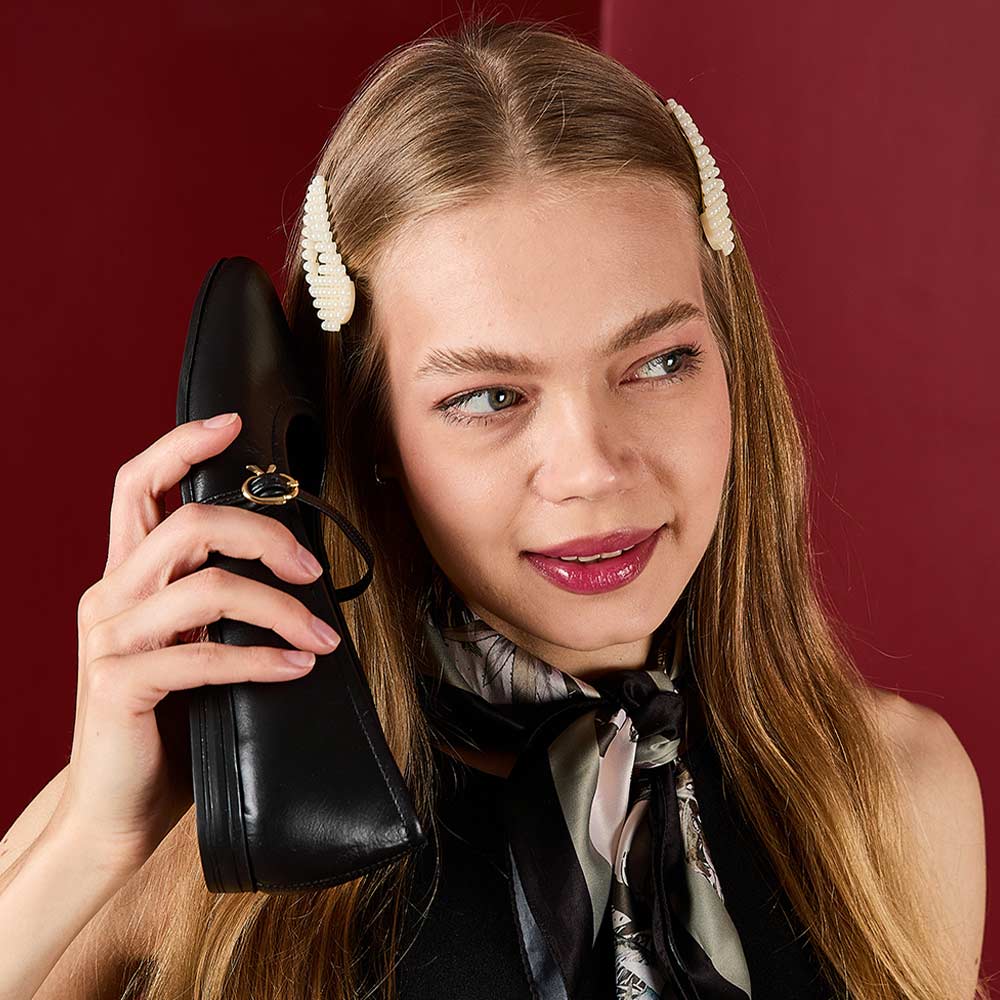
A well-fitting loafer can work if your weekend is more "day festival plus village strolls" than "muddy campsite." Look for a secure heel, a slightly chunkier sole, and enough room for your toes to walk in.
Option 3: Low Ankle Boots for Bad Weather
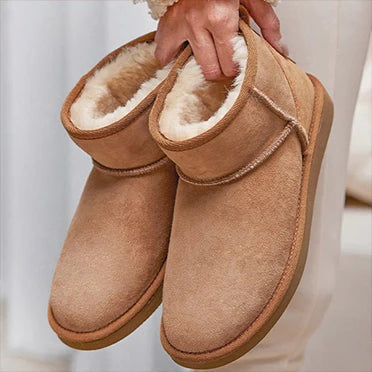
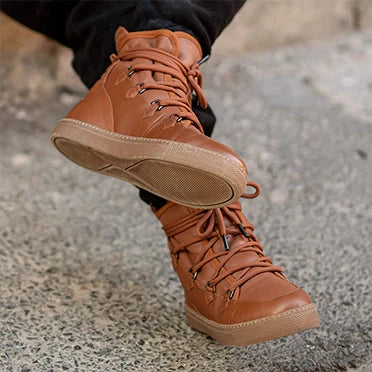
A low ankle boot is great for Bank Holidays because it keeps feet dry, warm, and protected from wet grass. The sweet spot: a stable, grippy sole, a comfortable shaft that doesn't rub, and an insole you can wear for hours.
Option 4: Sandals — Only If the Weekend Is Warm and Dry
Sandals are fine for light sightseeing and travel, but usually not safe for festivals unless you're confident about straps that stay put (no sliding), a thick enough sole, and safe ground conditions (not muddy or heaving with foot traffic).
How to Choose Based on What You'll Actually Do
Being honest about your weekend helps. Pick the shoe closest to the match below.
"One Festival Day, One Country Day"
- If you can, bring two pairs: one for the festival and one for walking.
- If you must wear one, pick a low ankle boot or a grippy leather trainer, depending on the weather.
"City Break and One Country Walk"
- Choose a shoe that looks good in town and has grip — leather trainers or chunkier loafers.
"Camping Festival"
- Think about morning dew, mud, and long queues for facilities.
- Boots may be easiest, but they need to fit well and feel comfortable.
- Consider a second pair for the trip home or a clean change.
"Country Lanes, Pub Lunches, and a Slow Pace"
- A supportive loafer or trainer is usually all you need.
- Focus on comfort and an easy-to-clean finish.
The Bank Holiday Fit and Comfort Checklist
Do a quick test at home before you buy (it's easy and it works). You can run this in ten minutes today:
- Put on the socks and shoes you'll actually wear.
- Go up and down the stairs a few times.
- Walk briskly around the house a few times.
- Stop and stand still for two minutes (there's a lot of standing at festivals).
- Notice any heel slip, toe pressure, arch pain, or rubbing.
If something feels "slightly annoying" now, it usually hurts "properly" by the second day.
Socks Matter More Than People Think
- For walks, a lightly padded sock adds comfort and reduces friction.
- For warm festivals, breathable socks help — but don't go too thin if your shoes rub.
- For sandals, don't just hope for the best; plan for common hot spots.
Weatherproofing Without the Fuss
UK weather changes fast. The goal isn't to make every shoe fully waterproof — it's to prevent damage and discomfort.
Protect in Advance, Not the Night Before
When you spray leather or suede with a protector, wait at least a day before wearing so the spray dries fully and doesn't leave marks.
Quick Guide by Material
- Leather: when protected, it handles light rain well; just wipe it down afterwards.
- Suede: can look great but needs protection and gentler cleaning.
- Fabric/canvas: can take a long time to dry, so be cautious if rain is likely.
How to Clean Festival and Walking Shoes Afterwards
Many shoes get ruined here — through good intentions and bad methods.
Mud and Dust First
- Let the mud dry completely (wiping it while wet usually spreads it).
- Use a soft brush or cloth to remove dry dirt.
- Wipe leather with a slightly damp cloth, then let it dry naturally away from heat.
What Not to Do
- Don't dry shoes on a radiator or with direct heat — it can warp soles and dry out leather.
- Don't soak leather shoes.
- Don't scrub suede too hard — it flattens the nap and leaves shiny spots.
A Simple "Reset" Routine
- Clean gently.
- Let it dry on its own.
- If the leather feels dry, condition it.
- Protect again after it's completely dry.
- Store with paper inside to keep its shape.
For a full leather routine, our care tips for keeping loafers looking new covers the essentials.
Common Bank Holiday Shoe Mistakes (and Fixes)
- Mistake 1: Picking shoes for photos instead of hours. Fix: choose the most stylish option from a shortlist of comfortable ones.
- Mistake 2: Underestimating "standing fatigue." Fix: look for cushioning and support even if you're not walking far.
- Mistake 3: Trusting the forecast. Fix: always plan for wet ground, especially in fields and shaded paths.
- Mistake 4: Wearing the wrong socks. Fix: match socks to shoes and activity, and pack a spare pair.
- Mistake 5: No backup. Fix: a clean trainer or light spare can save the trip home.
A Quick Packing List for Your Feet
- A small pack of blister plasters
- One extra pair of socks
- A small microfibre cloth or soft rag
- A mini deodorising/refreshing spray (optional)
- Plasters for heel hotspots
- A bin bag or shoe bag (for muddy returns)
It's a small kit, but it can turn a "nearly ruined" day back into a normal one.
Frequently Asked Questions (FAQ)
What shoes should you wear to a UK festival if it might rain?
Wear closed-toe shoes you can wipe clean. Low ankle boots or supportive trainers are usually best. If you wear wellies, you might bring a more supportive shoe for the drier parts of the day.
Is it okay to wear trainers on a country walk?
Yes — trainers are fine for many easy walks on well-kept paths, especially with good tread and support. For muddier or longer trails, you may want more traction and stability.
Are sandals a bad idea for festivals?
They can be risky. Straps can rub over long periods, and open shoes are more likely to get stepped on. If you wear them, choose strong straps and a thicker sole, and consider packing closed-toe shoes for later.
How can I keep new shoes from rubbing on a long weekend?
Break them in slowly beforehand. Wear them for short periods at home, test them on stairs, and apply blister plasters to known hotspots in advance.
What sole works best on both grass and pavement?
A stable platform with visible, moderate tread. Very smooth soles slip on wet grass, and overly aggressive tread feels clunky on long pavement stretches. Our sole material guide explains the trade-offs.
Can leather shoes stand up to festival weather?
Usually yes, as long as they're protected first and cleaned well afterwards. Leather is often easier to clean than fabric, but if you know it'll be muddy, avoid delicate finishes.
Should I size up for walking and festivals?
Not automatically. A good fit matters most. You want enough toe room, but too much space causes heel slip and rubbing. If between sizes, check how the heel feels and whether your toes have room when walking downhill.
How do I dry shoes after they get wet or muddy?
Air-dry at room temperature, away from direct heat. Stuff them with paper to hold their shape and absorb moisture, replacing the paper when it gets damp.
What's the best "one pair only" shoe for a Bank Holiday weekend?
For festivals, travel, and light-to-moderate walks, a supportive, grippy leather trainer is often the most versatile. A comfortable low ankle boot is a great choice if the weather looks changeable.
Do insoles really work?
It depends on the shoe and how much comfort you want. A well-fitting insole can add comfort and keep you going longer — just make sure it doesn't make the shoe too tight.
What's the main takeaway?
Plan for the whole weekend, not just the outfit photo. Match your soles and uppers to the surfaces you'll face, break shoes in beforehand, pack a small foot kit, and always have a wet-weather backup. Get those right and your shoes will keep up from the festival field to the country path to the pub garden.