
If you spend eight to twelve hours on your feet at work, "comfortable shoes" becomes crucial — it can be the difference between feeling steady at the end of your shift and feeling like your feet have endured a week. Retail and healthcare workers often stand and move in a particular way: on hard floors, with lots of turns, little time to sit, and sometimes strict dress codes or hygiene rules.
The good news is that finding the "best" shoes for standing all day isn't complicated. They usually share the same core features: stable support, cushioning that doesn't break down too quickly, a fit that allows for swelling during a long shift, and an outsole that keeps you steady on slippery surfaces.
This guide covers what really matters, what often goes wrong, and how to pick shoes that are good for both your job and your feet.
A Quick Summary
- Put stability ahead of ultra-soft cushioning. Shoes that are too soft may feel good at first but tire you out later.
- Look for a supportive midsole, a firm heel counter, and a base that doesn't twist easily.
- Pick a fit with room for your toes that accounts for feet swelling by the end of your shift.
- For retail, balance comfort and style — supportive loafers, lace-ups, and leather trainers are often good choices.
- For healthcare, prioritise slip resistance, easy-to-clean uppers, and a secure fit (often a heel strap or stable heel).
- Replace shoes when the midsole feels "flat," the tread is worn, or you get new aches that ease on days off.
- Rotate between two pairs if you can — they'll dry out and recover shape between wears.
- Wear the right socks (sometimes compression socks), and consider removable insoles for extra comfort.
- Break shoes in slowly, even if they feel soft at first — your feet need time to adjust to new support.
- Small things help: quick calf and foot stretches after a shift, plus proper cleaning and drying.
Why Does Standing All Day Hurt Your Feet So Much?
Standing for long periods isn't the same as going for a walk. On shift, you often "micro-move" all day — small steps, turning, stopping and starting, leaning to reach shelves, or moving quickly between patients and equipment. Hard floors (shops, stockrooms, hospital corridors) add more stress on your feet and lower legs.
Shoes can't make the job easier, but they change how your body copes with it. A good pair usually helps by spreading pressure more evenly across the foot, reducing the "pounding" feeling on hard surfaces, supporting your arch and heel so your muscles work less to stay stable, and improving grip so you don't tense up with every step.
The goal isn't perfection — it's feeling more supported and less tired when you finish a shift.
What to Look for in Shoes for Long Hours
A practical checklist can make most "work comfort" shoe choices faster, whether you're buying trainers, loafers, clogs, or boots.
1) A Base That Doesn't Wobble or Twist
Take the shoe and try to gently twist it. A little forefoot flex is normal, but if it twists like a towel, it may not offer the support many people need for long standing. Also check the outsole width — a slightly wider base can feel more stable, especially when moving fast, carrying stock, or turning a lot. Our sole material guide explains what to look for.
2) Cushioning That Lasts Beyond the First Hour
Soft cushioning feels nice at first, but for long shifts you usually want supportive rather than marshmallow-soft. A firmer, supportive feel underfoot is more comfortable for longer, because your foot isn't constantly "searching" for stability. Press your thumb into the insole or midsole — if it collapses immediately and stays dented, it may pack down quickly.
3) Heel and Arch Support That Suits You
Support is personal. Some like lots of arch support; others find it uncomfortable. For all-day standing, you generally want a shoe that keeps the heel in place (no sliding up and down), supports the midfoot without a hard ridge, and doesn't make your toes grip to keep it on. If you use orthotics or your own insoles, look for removable insoles and enough internal room.
4) A Toe Box That Lets Your Toes Work
Your foot spreads a little as you stand and walk all day. Too-tight toe boxes cause faster fatigue, rubbing, and hotspots. Look for room to move your toes, no pressure on the big toe joint, and enough height so the tops of your toes aren't cramped (especially with thicker socks).
5) The Right Upper for Your Job
It depends on where you work. Retail often benefits from smart-but-flexible leather or suede looks. Healthcare usually needs wipe-clean, low-maintenance materials with as few seams as possible where spills can get through. Breathability matters too — if your feet get hot, consider lighter linings and moisture-managing socks. Our article on how natural materials help stop shoe smell covers keeping feet fresh on long shifts.
6) A Sole You Can Trust to Grip
Grip isn't just about not slipping — it's about feeling confident. If shoes feel iffy on tile, you may unconsciously tense up, adding fatigue. For healthcare and back-of-house retail (stockrooms, cleaning zones), use a sole pattern built for traction. If your workplace requires slip-resistant shoes, follow that.
7) Weight: Lighter Can Be a Quiet Advantage
When you move a lot, very heavy shoes add fatigue. You don't need the lightest shoe in the world, but notice how different pairs feel when you hold them.
Retail Workers: Choosing Shoes That Look Good and Support You
Retail shifts aren't usually "just standing." You move between customers, stock, tills, and fitting rooms — often on hard floors, sometimes stairs, and usually while looking presentable.
What Usually Works Well in Stores
Supportive loafers and moccasin-style slip-ons. Great when you want to look sharp. Look for a structured heel, a supportive insole, and enough forefoot room. If a loafer flops like a slipper, it may not support you all day.
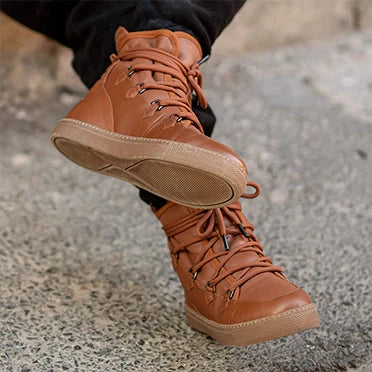
Lace-up leather shoes. Often underrated for retail. Laces let you adjust the fit as feet swell, and a snug midfoot helps prevent sliding and hotspots.
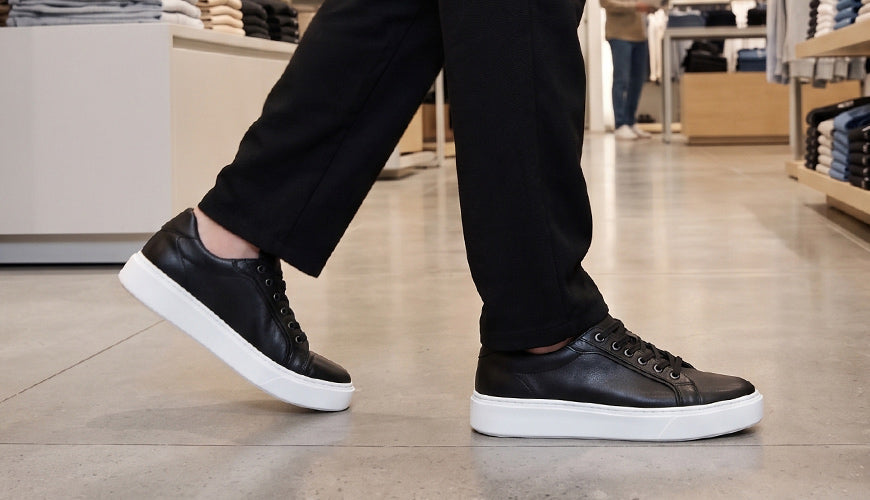
Smart leather trainers. If your dress code allows, a clean leather trainer can be one of the most comfortable all-day options — cushioning, flexibility, and a modern look. Pick a stable sole rather than one that's overly soft and bouncy.
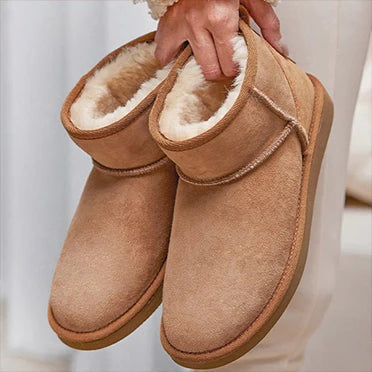
Ankle boots with sensible soles. Good for ankle coverage and winter. Avoid high, narrow heels for long standing — look for a low heel with a stable base and a grippy outsole.
What to Avoid for Retail
- Going too flat and thin: completely flat, thin soles feel harsh on hard floors.
- Unadjustable shoes: a stiff slip-on with no give gets uncomfortable when feet swell.
- "Occasion shoes" for everyday work: shoes built for short wear (events, dinners) often lack the support retail needs.
Healthcare Workers: What Matters Most on the Ward
Healthcare priorities are different. Hygiene, spills, fast movement, and long corridors all make practicality essential.
What Many Healthcare Workers Look For
Slip resistance. If floors get wet, you use cleaning fluids, or you deal with spills, you need traction. Follow workplace rules first, then pick the most stable option within them.
Wipe-clean uppers. Smooth surfaces are usually easier to clean than rough ones, and fewer seams help stop liquids pooling.
A secure fit. When moving fast, shoes need to stay on effortlessly — a well-fitting lace-up, a closed-back shoe, or a clog-style with a heel strap.
Support that survives repeated use. Healthcare shifts stack up. Prioritise construction that feels strong and supportive every day, not just in the shop.
A Note on Backless and Clog Styles
Some people swear by clogs for long shifts, especially if they like an open feel. The trade-off is security: if the shoe isn't stable on your foot, you may grip with your toes or change your gait to keep it on. If you want clogs, look for a heel strap and a supportive footbed.
Which Shoe Type Suits Your Job and Feet?
Supportive Trainers
Best for: long walks, fast pace, mixed tasks. Watch out for: overly soft, unstable models and narrow toe boxes. Built for movement, trainers can be great for all-day standing — a stable platform and firm upper matter more for work than "maximum bounce."
Smart Slip-Ons and Loafers
Best for: customer-facing roles, uniforms, looking sharp. Watch out for: a shallow fit that lets the heel slip, thin soles, and stiff rubbing uppers. A supportive loafer is a retail classic, but construction quality is what counts — a structured heel and supportive insole usually matter more than a soft-looking upper.
Lace-Up Leather Shoes
Best for: an adjustable fit, stability, and smart-casual dress codes. Watch out for: hard soles with no cushioning and long break-in times without gradual wear. Lace-ups are great for all-day standing because you can adjust the fit. Find a sole that absorbs some shock and a footbed that doesn't feel flat.
Ankle Boots
Best for: winter commuting, ankle support, smart work looks. Watch out for: heavy boots, slippery soles, and narrow toes. Boots can feel secure and stable, but they need good traction. Pick a low, stable heel with room to move your toes.
Work Mules and Clogs
Best for: quick on-off, some medical settings, and those who like an open upper. Watch out for: slipping heels, gripping toes, and no adjustability. If you like clogs, mind foot security — a good footbed helps, but the shoe still needs to stay in place.
Fit Tips That Matter When You're on Your Feet All Day
Even a slightly-off fit can make a good shoe feel wrong. Long standing and walking change your foot size, reducing comfort.
Expect Some Swelling
Many people notice their feet feel a little bigger by the end of a shift. If you can, try shoes on later in the day, wear your work socks, and check for a little extra space without it being too loose.
Lock the Heel Down, Let the Forefoot Move
A common sweet spot is a secure heel with room for the toes to move. Too little forefoot room causes pressure and fatigue; too much heel movement causes rubbing.
Quick Fit Checks
- The heel stays in place while you walk.
- No pinching across the ball of the foot.
- Toes can move and don't hit the front.
- The shoe bends where your foot naturally bends, near the ball of the foot.
Insoles: When They Work and When They Don't
A good insole can add comfort, but it's not magic. Insoles often help when the shoe is supportive but feels a little "hard," when you need extra arch support, or when you want more cushioning without changing the shoe. They usually don't help when the shoe doesn't fit your foot, the heel is sliding, or the toe box is too small. If you add an insole, recheck the fit — extra thickness can shrink the toe area.
Building a Work Shoe Rotation
Rotating between two pairs can make a big difference. Time lets shoes dry completely (especially if you sweat), recover shape in the midsole and footbed, and shed built-up odour.
A simple rotation idea: Pair A — your main work shoe; Pair B — a slightly different style or fit for variety (loafers one day, lace-ups the next). Varying the shape lowers the risk of the same pressure point being irritated every day.
Caring for Work Shoes So They Stay Comfortable Longer
Daily work wear is hard on shoes. A few simple habits help them last and feel better.
Dry Shoes the Right Way
If shoes get wet from rain, spills, or sweat, dry them at room temperature. Avoid direct heat sources, which damage many materials and stiffen uppers.
Keep the Inside Fresh
- Rotate pairs.
- Wear breathable socks.
- Air shoes out overnight.
- Replace insoles if they feel flat or start to smell.
Clean Uppers to Suit the Material
Regular gentle cleaning and the right protection help leather and suede styles survive daily wear and commuting. For a full leather routine, our care tips for keeping loafers looking new covers the essentials.
A Quick Reset for Tired Feet After Work
You don't need a whole routine to feel better:
- Calf stretch (30–45 seconds each side): helps when calves feel tight after hard floors.
- Foot roll (1–2 minutes): gently roll the bottom of your foot over a ball or bottle.
- Toe splay and scrunch: spread your toes wide, then lightly scrunch, 10–15 times.
If pain persists or worsens, it may be worth speaking to a professional for personalised advice.
When Do You Need New Work Shoes?
People often keep shoes too long because they still "look fine." For all-day standing, comfort and support matter more than looks. Consider replacing when the tread is clearly worn or slipping more, the midsole feels flat or hard compared to new, you get new aches that ease on days off, or the upper no longer holds your heel firmly. If you wear the same pair every day, they may wear out faster than shoes you wear occasionally.
Frequently Asked Questions (FAQ)
How many pairs of shoes do I need for standing all day?
Two is a good start if you can manage it. Rotating helps shoes dry and recover shape, and gives your feet a break from the same pressure points.
Are trainers always the best choice for long shifts?
Not always, but often — especially if they're stable and supportive. Comfortable, supportive loafers or lace-ups can work just as well for customer-facing roles.
How high should the heel be for standing all day?
Many people do better with a low, stable heel than completely flat soles. Very flat, thin shoes can be harsh on hard floors, and higher heels add fatigue and instability.
Should I size up for work shoes?
Sometimes — for end-of-shift swelling or thicker socks. Rather than automatically sizing up, ensure enough toe room and a secure heel.
How can I tell if my shoes are hurting my feet?
If pain worsens on workdays, eases on days off, or improves when you change shoes, that pattern is a useful clue. Persistent or severe pain should be checked by a professional. Our guide on what to look for in a podiatrist-informed pair covers foot support.
Are slip-on shoes unsuitable for healthcare work?
Not always, but security matters. If your heel lifts or your foot slides, you may grip with your toes, adding fatigue. Closed-back or strapped styles can feel more secure.
What socks are best for standing all day?
Choose socks that manage moisture and reduce friction. Many prefer cushioned work socks. Compression socks can help leg fatigue for some, but not everyone.
Do insoles really work?
They can, especially for adjusting cushioning or arch support. They won't fix a bad fit like a slipping heel or too-tight toe box, and can make shoes tight if there isn't enough room.
How long should work shoes last if I wear them most days?
It depends on your build, weight, gait, and floors. Worn almost daily, a pair can compress and wear faster than expected. Rotating extends life. Our article on how long good leather shoes last goes deeper.
What should I look for in smart retail shoes?
A stable sole, a secure heel fit, and enough toe room. Supportive loafers, lace-up leather shoes, and smart leather trainers (if allowed) all look good and feel good.
Is it better to break shoes in quickly or slowly?
Slowly. Even if shoes feel good on, gradual wear lets your feet adjust and helps you find rub points before they hurt during a shift.
Can I wear the same shoes to work and for commuting?
You can, but consider the extra wear. If you walk a lot or commute in heavy rain, rotating pairs and using proper cleaning and protection helps your work shoes last longer.
What's the bottom line?
For standing all day, comfort is a combination: stable support, lasting cushioning, a fit that works after ten hours, and an outsole suited to your floors. Use the checklist to find a style that fits your job, be honest about what your current shoes are (or aren't) doing, and if you can, keep two slightly different pairs and wear them both across the week.