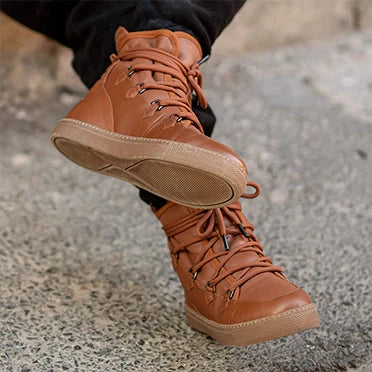


A city break is a specific kind of "all-day" challenge. You're not just walking — you're walking, stopping, standing, and walking again, often across a mix of surfaces: airport terminals, metro escalators, museum floors, uneven curbs, and cobbled streets that weren't built for modern shoes.
A long day out in the UK might mean a loop around the park and a visit to the pub. In Rome, Lisbon, Barcelona, Prague, or Paris, it's easy to rack up miles without realising: a "quick" diversion, a climb to a viewpoint, a long museum corridor, then a late dinner in another neighbourhood. The right shoe makes that pace feel good instead of punishing.
A Quick Summary
- In cities, plan on 15,000–25,000 steps a day, plus stairs, queuing, and uneven pavements.
- Prioritise a snug heel, room for toes, and a flexible forefoot (feet swell slightly in the afternoon).
- Choose grippy soles for wet cobbles and polished indoor floors — shallow tread isn't always enough in rain.
- Leather uppers can look smart while staying practical, especially with cushioned insoles and solid construction.
- Don't debut brand-new shoes on day one. Break them in at home with short walks and your travel socks.
- Pack two pairs to reduce hotspots and odour (and cope with sudden weather changes).
- Thin "fashion soles" and stiff uppers are the fastest route to tired feet on a city break.
- Bring a light care kit: a small brush or cloth, protector spray, and blister plasters. In spring and autumn, water resistance matters more than breathability; in summer, switch to lighter linings and socks.
Why City-Break Shoes Are Different
A city-break walking shoe isn't quite a hiking shoe and isn't a fashion-only flat. It's built to look good in cafés, galleries, and restaurants; stay comfortable over long distances; handle different weather and surfaces; and pack well while going with lots of outfits.
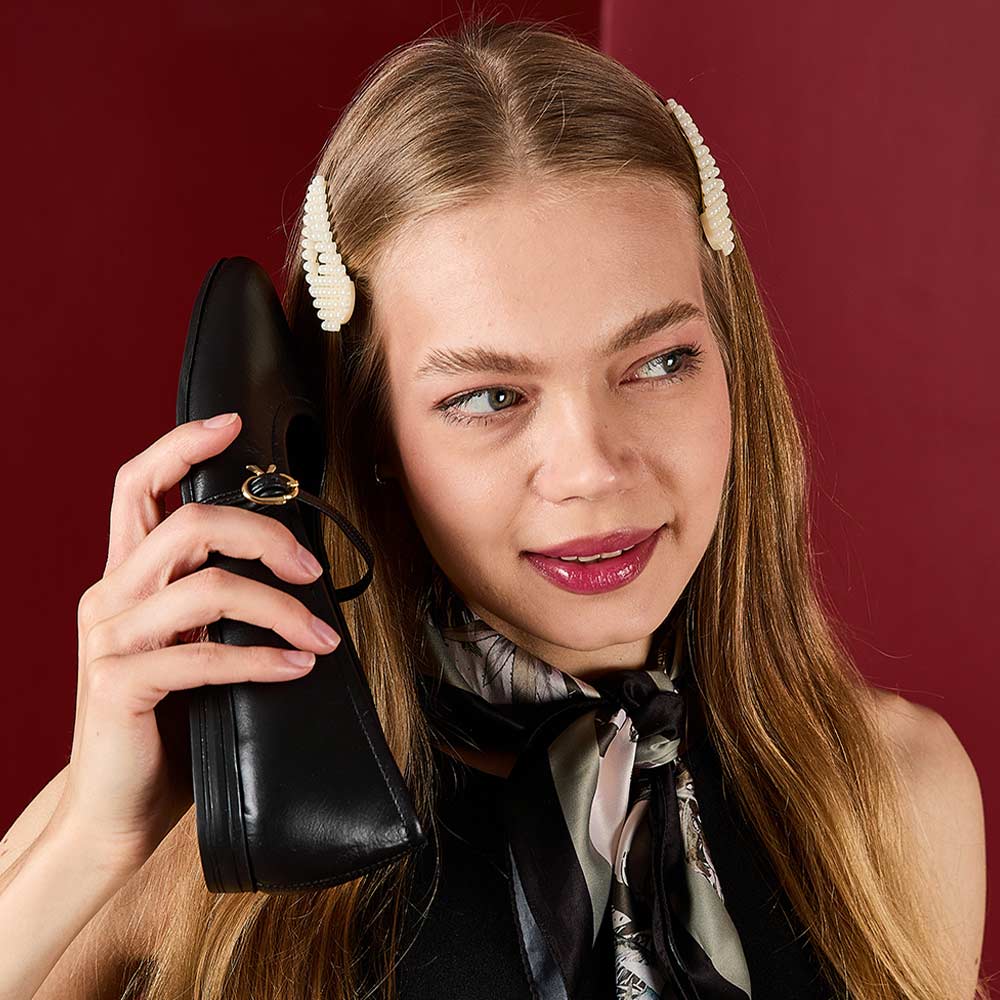
Think "smart-casual comfort" rather than technical hiking gear. Most travellers are happiest with one of these shapes: polished leather trainers, supportive loafers, cushioned and grippy ballet flats, or supportive closed-toe sandals and slides for summer.
The Essential Comfort Checklist
Fit: Secure Heel and Room for Toes
Your heel should feel held with minimal lift. Heel slip builds friction fast, which causes blisters. You want enough room at the front to wiggle your toes without cramping, especially as feet swell after a few hours.
A quick test: stand up, put weight on one foot, and lightly press the toe box — your toes shouldn't push against the front. Then go up and down stairs. If your toes slide forward, the shoe may be too big or the laces too loose.
Flex and Bend: Your Forefoot Should Move With You
A city shoe should bend where your foot naturally bends — around the ball of the foot. If it only flexes in the middle or not at all, every step takes more effort. Our sole material guide explains how sole construction affects this.
Support: A Stable Base Beats "Softness" Alone
Soft cushioning may feel great at first, but out and about you need stability too: a base that doesn't wobble and an insole that suits your foot shape. Removable insoles are ideal for many people, since you can swap in a favourite insert.
Weight: By Day Three, Lighter Feels Better
Heavy shoes are fine for short outings, but on a city break you'll feel every extra gram. A lighter pair reduces fatigue, especially if you're carrying a day bag.
Grip: Cobbles Are the Real Test
Wet stone is slippery. So are polished indoor floors. Look for a sole that genuinely grips and a material that isn't too hard or shiny. You don't need deep hiking tread, but you do want a pattern that bites into the ground.
Choosing the Best Shoe for Exploring Europe
Leather Trainers: The Most Versatile "One Pair" Choice
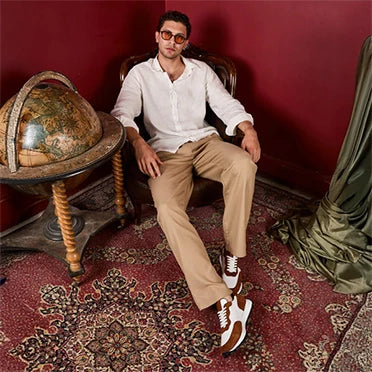
If you want one pair that handles airports, long days, and a smart dinner, leather trainers are usually the best choice. They work with jeans, tailored trousers, dresses, and casual skirts, and they generally hold up better in bad weather than fabric trainers.
What to look for: a cushioned, supportive footbed (ideally removable), a padded collar or smooth heel lining to prevent rubbing, a sole that bends at the forefoot, and subtle styling (clean lines, minimal branding) for a polished look.
If you'll be walking older streets and using public transport, a scuff-hiding colour like cream, tan, taupe, or a darker shade can be more practical than bright white. Men can find similar versatility in the men's trainers and sneakers range.
Loafers: Stylish, but Watch the Construction
Loafers can be great for a city break if they're built for walking, not just for the office. The problem is the stiff loafer with a thin sole — pretty, but painful after 20,000 steps.
Look for: a secure heel (some loafers slip more than you'd expect), a cushioned insole and supportive shape, a grippy sole (not a smooth dress sole), and a slightly higher vamp for better hold.
Loafers shine in the shoulder seasons when you want something smarter than trainers but still comfortable with socks or thin tights.
Ballet Flats: Only the Right Kind
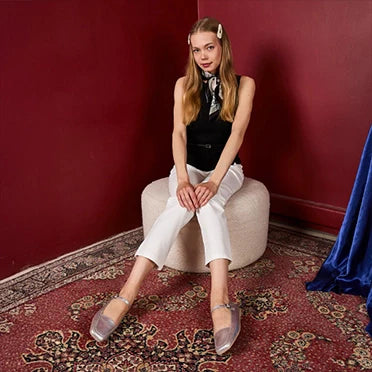
Flats pack beautifully, but many are too thin for all-day sightseeing. If you want flats, make sure they have a structured footbed (not just a thin pad), a flexible upper that doesn't cut into your foot, a grippy sole, and a secure fit (a slightly higher topline or gentle elastic helps).
If your flats fold in half like paper and offer no protection, keep them as a dinner backup rather than your main walking shoe.
Ankle Boots: Great for Cool Weather (with Grip)
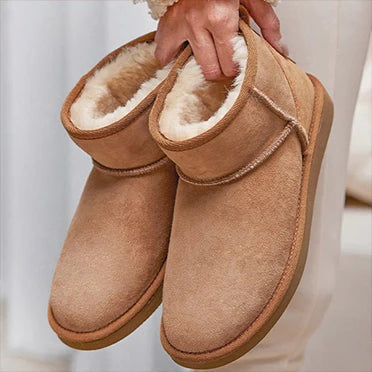
Ankle boots are excellent for winter or late-autumn city breaks in places like Berlin, Amsterdam, or Vienna. What matters most is sole and shaft comfort.
Pick: trustworthy traction on wet roads, a shaft that doesn't rub your ankle bone, enough room for socks without tightness, and a stable heel (a low block heel is walkable if the base is stable). Avoid very narrow toe shapes if you'll walk all day — your toes will ache more each hour. Browse the women's boots for walkable shapes.
Closed-Toe Sandals and Supportive Slides: For Warm Weather
In Mediterranean cities in summer, you'll want airflow. The wrong choice is a flat sandal with little support. For long sightseeing days, look for a contoured footbed, straps that hold the foot securely (especially around the heel or instep), grippy soles, and materials that won't rub when it's hot.
For hot afternoons, pack sandals, and keep a closed shoe for travel days or evenings.
Matching Your Shoes to the City
- Lisbon: hills, smooth tiles, cobbles. Prioritise grip and a stable sole.
- Rome: long walks, ancient stones. Prioritise cushioning and toe room.
- Paris: lots of pavement walking and queuing. Prioritise comfort with a smart look.
- Prague: cobbled streets, cooler nights. Prioritise traction and a closed shoe.
- Barcelona: warm weather, wide streets. Prioritise comfort and breathability, with a good sandal or trainer.
You don't need a different pair for each city, but knowing the surfaces you'll face helps you choose.
Common Mistakes and How to Avoid Them
Wearing New Shoes on Day One
Even "soft" shoes can create hotspots on a busy day. Break them in at home first.
Choosing a Shoe That Works with Only One Outfit
If your shoes suit only one pair of trousers, you'll either overpack or be uncomfortable. Aim for a pair that works with at least three outfits.
Underestimating Rain
A short shower can make city pavements slippery. People underestimate how important grip and water resistance are, especially in spring and autumn.
Going Too Flat
Very flat soles tire some people's feet faster, especially on hard pavements. A supportive footbed and some structure underfoot often help.
Ignoring Socks
Socks aren't boring on a city break — they prevent blisters. A slightly thicker, smoother sock can dramatically reduce friction.
How to Break In Shoes Before a Trip
A simple, low-effort plan:
- Wear indoors, 2–3 sessions. Walk around the house for 30–60 minutes in your travel socks.
- Short walks outside, 3–5 times. Start at 15–30 minutes, build to 45–60. Spot rubbing points early.
- The "stairs and errands" test. Walk stairs, slopes, and uneven pavement with a small bag — closer to real travel than a flat path.
- Pack blister plasters anyway. A full day can surprise you even with the best shoes. Plasters are a backup, not a plan.
Packing Tip: The Two-Shoe Rotation
If you can pack two pairs, your feet (and shoes) will usually be happier.
A great combination for most trips:
- Pair 1: your main walking shoe — usually a leather trainer or supportive loafer.
- Pair 2: a lighter option — a supportive flat, sandal, or second trainer.
Rotating shoes lets them air out and reduces friction on the same pressure points every day. It also gives you a spare if one gets wet. If you want to pack light, choose your shoes first and build outfits around them — the easiest way to avoid "nice shoes I never wore."
Materials and Construction: What Feels Good After Six Hours
Leather Uppers: Practical and Polished
Leather is a great travel material — it often shapes to the foot over time and looks smarter than many fabrics. It also lasts a long time with care. For a fuller care routine, our care tips for keeping leather shoes looking new is a useful reference.
Linings: Small Details, Big Comfort Difference
A smooth lining reduces friction. In summer, look for breathable linings. In colder months, a warmer lining makes early mornings and evening walks more comfortable.
Insoles: The Upgrade Many Travellers Forget
A supportive insole can transform how a shoe feels. If you like particular inserts, look for shoes with removable footbeds so you can swap them.
Comfort Items That Barely Take Up Space
- Blister plasters and a small roll of tape for quick hotspot fixes
- Two sock options: one thinner, one lightly cushioned
- A small protector spray or wipes, especially for changeable weather
- A small cloth or soft brush for dust and marks after a day out
Style Tips: Stay Comfortable While Looking Good
It's natural to want shoes that feel like you on a city break. The key is choosing colours and shapes that look intentional.
Easy style wins: neutral colours (black, tan, taupe, cream) stay sharper for longer and go with most outfits; clean lines work better than heavy detailing if you want day-to-night versatility; matching your belt or bag to your shoes pulls even a simple outfit together; and slightly smarter socks (ribbed, tonal, or fine-knit) make trainers look more polished.
A refined leather trainer is hard to beat if you want one pair that handles almost anything — casual enough for daytime exploring, smart enough for many restaurants and bars.
Caring for Your Shoes While Away
Quick Daily Clean (2 Minutes)
Wipe off dust and marks with a dry cloth. If shoes get wet, let them air-dry naturally — never near direct heat.
If Shoes Get Wet
- Remove the insoles if you can.
- Stuff with paper to hold shape and absorb moisture.
- Dry slowly at room temperature.
After the trip, clean thoroughly and reapply protector if needed. This small habit makes travel shoes last much longer.
Frequently Asked Questions (FAQ)
Are trainers okay for European city breaks?
Yes. Clean, simple trainers are common across European cities. Leather trainers often look smarter while staying good for walking.
How many pairs do I need for a long weekend?
Two is ideal: one for walking and one for other activities. If packing very light, one versatile pair can work — but break it in first.
What sole works best on cobblestones?
Look for a pattern that grips wet stone and offers reliable traction. Very smooth soles can feel slippery quickly in the rain.
Should I size up for walking holidays?
Not always. Ensure a secure heel, enough toe room, and comfort with your travel socks. If between sizes, try both with travel socks to decide.
Do I need arch support for sightseeing?
It helps some people, especially those standing on hard surfaces all day. A supportive footbed or the option to add your own insole can make a difference. Our guide on what to look for in a podiatrist-informed pair covers foot support in detail.
Can I wear loafers all day sightseeing?
If they fit well and have cushioning and grip, yes. Avoid very stiff loafers with thin, smooth soles if you plan to walk a lot.
How do I avoid blisters on a city break?
Wear friction-reducing socks, break in your shoes before you leave, and pack blister plasters. Treat hotspots immediately rather than pushing through.
What shoes are best for spring city breaks with unpredictable weather?
Closed-toe shoes with good grip and water resistance are usually best. Depending on the weather, leather trainers or supportive ankle boots are good choices.
Will leather be too hot in summer?
It depends on the lining and fit. With a not-too-tight fit and the right socks, many people find leather comfortable. On very hot days, a supportive sandal may be better.
How do I keep shoes looking good while travelling?
Give them a quick nightly wipe, avoid drying on direct heat, and use a material-appropriate protector. A small travel care kit makes a big difference.
Are white shoes a bad idea for city trips?
Not necessarily, but they show marks faster. For a low-maintenance trip, consider cream, tan, or darker neutrals that hide scuffs better.
What's a quick way to pick my shoe?
Mostly walking with a few plans → leather trainers. Smarter itinerary in mild weather → supportive loafers with grip. Hot climate with lots of walking → supportive sandals with secure straps. Cool weather and evening plans → ankle boots with good traction. Pick the pair you'd happily wear on a day of museums, neighbourhood wandering, and a long dinner.