
If your feet hurt by lunchtime, it's easy to blame them. In a lot of cases, the real problem is what you're putting on them. Small, everyday shoe choices can cause pressure points, friction, and fatigue that build up over the week. This is especially true in the UK, where commuting, walking on pavements, and wet weather can quickly turn "fine" shoes into uncomfortable ones.
This guide lists five common shoe mistakes that can make your feet hurt and gives you easy fixes you can use right away. Nothing hard. Just the checks, changes, and buying tips that help most people feel better in the shoes they already have and pick more comfortable ones next time.
Quick Summary
- Most shoe pain comes from not fitting right, not having enough support, not rotating enough, or not taking care of them.
- If your toes feel pinched or your heels rub, check the length, width, and shape of the toe box first.
- A stable shoe usually has a strong heel, a footbed that supports the foot, and a sole that doesn't bend like paper.
- Wearing the same pair of shoes for work, errands, and wet weekends can tire your feet. A simple two- to three-pair rotation can help.
- Over time, the outsoles and footbeds of shoes compress. If the shoe looks fine but suddenly feels rough, it may be past its best.
- "Slightly firm" is how break-in should feel, not painful; pressure points don't "magically disappear" very often.
- Socks are more important than most people think: friction and moisture make blisters. Pick socks that go with the shoes and the season.
- Taking care of your shoes (conditioning leather, protecting suede, and drying them properly) can make them last longer.
- When you shop, put fit and construction first, then style. It's easier to dress up comfortable shoes than to deal with uncomfortable ones.
Why Shoes Can Hurt Your Feet in the First Place
Most of the time, shoes that hurt your feet are a mechanical issue. That means it has to do with how your shoe fits your foot when you walk — the pressure, rubbing, and support (or lack of it). Some common patterns of "shoe pain" are:
- Hot spots and blisters: caused by rubbing, and often made worse by moisture.
- Sore arches or tired soles: often caused by thin or too-flexible soles, footbeds that don't support the foot, or standing for a long time.
- Pain or numbness in the toes: often caused by shoes that are too tight or that push the toes together.
- Heel pain or slipping: can happen if the heel doesn't hold well, the size is wrong, or the heel counter has collapsed.
- Knee, hip, or lower-back pain: sometimes caused by shoes that change how you walk or by instability, but there are many other possible causes too.
The important thing to remember is that you don't need to "toughen up" your feet. You usually just have to get rid of the problem that the shoe is causing.
Mistake 1: Buying the Wrong Fit (It's Not Just the Number)
A lot of people wear the wrong size without knowing it. Some buy the "right size" but the wrong shape — too narrow, too shallow, too pointed, or too high at the instep. The quickest route to foot pain is a fit problem.
The Signs That Give It Away
- After a short walk, your toes feel cramped, curled, or numb.
- You get blisters in the same spot over and over, usually on your heel, little toe, or the ball of the foot.
- Your foot slips forward on stairs or slopes.
- The shoe only feels good when you're sitting down.
- One foot always feels worse than the other (very common, since many people have one slightly bigger foot).
A Quick Fit Check at Home (2 Minutes)
- Put shoes on in the afternoon or evening, when your feet are usually a little bigger.
- Stand up and put weight on both feet.
- Make sure there's room to wiggle your toes without pressing against the longest toe.
- Check the width: your foot shouldn't hang over the edge of the sole, and the upper shouldn't feel like it's cutting in.
- Walk briskly for a minute. Don't ignore any pinching, rubbing, or "burning" — it's information.
How to Make It Work
- Don't "size up to make it work" unless the width is also right. Shoes that are too long can slip and cause blisters.
- If the shoe fits in length but is too tight, look for wide-fit styles or shapes with a bigger toe box.
- Before giving up on a pair, try some simple changes: a heel grip to stop heel slip; a thin insole to reduce slipping if they're slightly too big (as long as it doesn't crowd the toe box); or different lacing to relieve pressure across the top of the foot if the instep feels tight.
- Be cautious if a shoe puts sharp pressure on one spot — it may not "break in." It often becomes a recurring sore spot.
Mistake 2: Picking Shoes That Don't Give Enough Support
Even if a shoe looks fine, it could still be uncomfortable. Shoes that are very flexible, very thin underfoot, or floppy at the heel are the worst offenders. These often feel "fine" for a short time but get tiring on longer days.
What "Support" Really Means in Plain English
Support isn't just "arch support." Most people find comfort in a mix of things:
- A heel area that stays stable (the back shouldn't collapse easily).
- A footbed that doesn't feel like cardboard but also doesn't flatten right away.
- A sole with some substance (it should bend at the toes, not fold in half like a soft biscuit).
- A secure upper that keeps the foot in place without squeezing it.
How to Check for Support in a Store
- Grasp the shoe at both ends and gently twist. Some give is normal, but if it twists like a tea towel, it could be tiring.
- Push on the heel counter (the back). If it caves in easily, you may get heel slip and instability.
- Feel the sole thickness at the ball of the foot. If it feels like paper, your feet may ache on hard pavements.
How to Make It Work
- If you like the style but want more comfort, try a cushioned insole (one that fits without pushing on your toes), or wear a more structured shoe for commuting and switch to softer shoes at home.
- Think about two "levels" of comfort in your week: one supportive pair for long walks, commuting, or standing, and one lighter, more flexible pair for short trips or going out.
For a deeper look at how sole construction affects support, our sole material guide breaks down the options.
Mistake 3: Wearing the Wrong Shoes for the Day
The UK is very good at punishing shoes that are "almost suitable." A shoe that feels good on a dry morning can feel very different after a wet commute, a slippery pavement, or a long day on hard floors.
Common Mistakes
- Wearing thin-soled loafers or fashion trainers for a whole day of standing.
- Taking suede out in the rain without protection, over and over.
- Wearing indoor slippers outside on rough ground (this hurts both comfort and grip).
- Wearing the same pair every day without letting them dry and recover.
How to Make It Right: Build a Small Rotation
You don't need a lot of shoes. Most people do well with:
- A supportive pair for everyday tasks like work, commuting, and errands. A well-made loafer or structured shoe works well here.
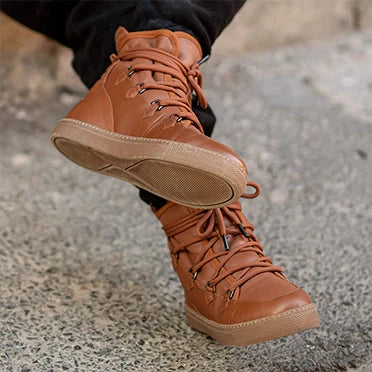
- A pair of boots or shoes that are ready for the weather (with more grip and protection).
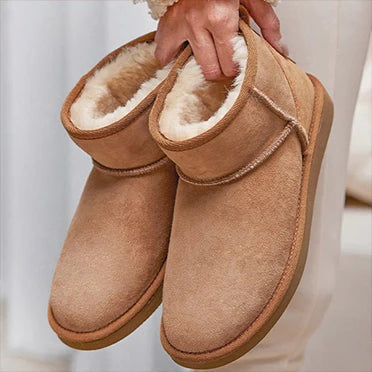
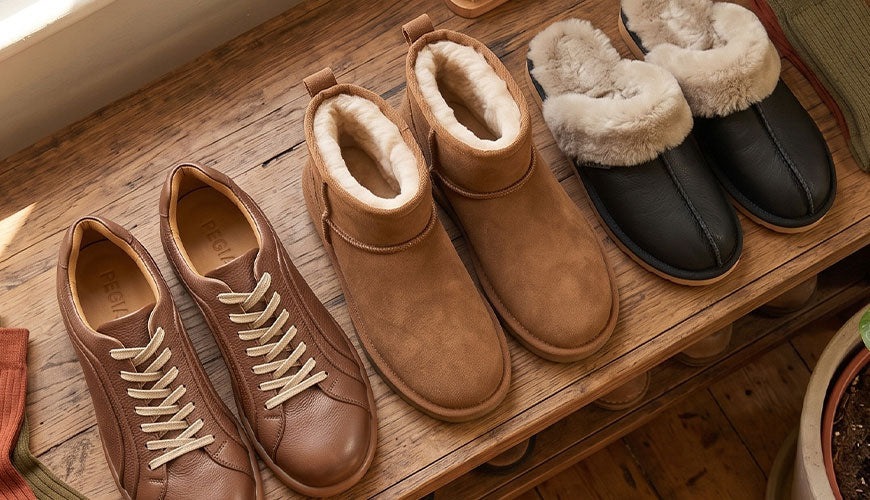
- A pair that feels good indoors, especially in winter when floors are cold and feet get dry. Sheepskin slippers are a popular choice.
Rotating pairs helps the footbed bounce back and lets moisture escape properly, which can also cut down on smell and friction.
Mistake 4: Wearing Shoes That Are Past Their Prime
Before they look "worn out," shoes often become uncomfortable. The inside gets squished, and the outsole wears in ways that change how you land. You might have a sudden "why do my feet hurt now?" moment with a pair you used to love.
Signs Your Shoes Are Worn Out or Need Care
- The heel looks worn down or slanted.
- You can feel the ground more than you used to.
- The shoe feels "hard" underfoot now that it's been worn.
- You're getting new pains in shoes you've worn before, with nothing else changed.
- The lining has broken in a way that rubs.
How to Make It Work
- To keep leather shoes and boots in good shape, consider repairs: a good cobbler can often fix heels, add protective soles, or improve grip.
- If the footbed has collapsed, a new pair is usually the most comfortable choice, especially for shoes you wear every day.
- Check your most-worn shoes once a month. A two-minute check can save you a week of sore feet.
When the support goes, you feel every step. If you're weighing up repair versus replacement, our article on cost vs long-term comfort can help you decide.
Mistake 5: Skipping Break-In, Socks, and Care
What you buy isn't the only thing that matters for comfort. How you wear and care for shoes is just as important. A lot of "painful shoe" issues come from break-in mistakes, the wrong socks, or letting shoes get wet and stiff.
What's Normal (and What's Not) During Break-In
A reasonable break-in feels like mild firmness that improves over time. Pain, burning, numbness, or sharp pressure are all bad signs. To break shoes in more comfortably, wear them indoors for 20–30 minutes at a time, use them for short tasks before committing to a full day, and condition leather (when suitable for the material) if it feels stiff.
The Fix People Don't Think Of: Socks
Friction and moisture make blisters worse. Socks can help with both.
- Choose socks that don't stay wet in the colder months.
- If you tend to rub, try lighter socks or sock liners in summer.
- If you go sockless, look for shoes with linings that feel good against the skin, and keep the inside clean and dry.
Care That Makes Shoes Last Longer and Feel Good
- Leather: keep it clean and conditioned so it doesn't get stiff and crack.
- Suede: use a suede-safe protector spray and brush off dirt before it sets.
- Wet shoes: dry naturally, away from radiators. Stuff with paper to hold shape and dry evenly.
- Footbeds: give shoes a break between wears; trapped moisture makes rubbing and smells more likely.
For a full leather routine, our care tips for keeping loafers looking new covers the essentials.
A Quick Pre-Departure Checklist
When you're not sure which pair to grab, use this:
- Can you move your toes freely?
- Does your heel feel locked in place (no slipping)?
- When you walk briskly for 30 seconds, does anything rub?
- Is the sole thick and stable enough for today's surfaces?
- Is the shoe appropriate for the weather, especially rain and cold?
- Are you picking the right socks for the season and the shoes?
- Are the shoes completely dry inside from the last wear?
If you answer "no" to more than one, switch pairs. Your feet will usually thank you by noon.
How to Find Stylish Shoes That Are Also Comfortable
When you know what to look for, comfort is usually easy to find.
Priorities That Come First
- Enough room at the toes, especially if you walk a lot.
- The right width for your foot (many people need wider shoes than they think).
- A secure heel fit that doesn't depend on your toes "gripping."
What to Look at in Construction
- A heel area that stays stable and a midfoot that feels supported.
- A sole that bends at the toes but doesn't fold in the middle.
- Materials that suit your climate and daily life (breathable for indoors, protective for wet commutes).
A Word About Natural Materials
Leather and sheepskin linings feel comfortable against the skin and manage moisture well, which can help stop the sweat-and-friction cycle that causes hot spots. Fit and construction still matter most, but the right materials can make "all-day wear" much more comfortable. For more on the health side of footwear, our guide on what to look for in a podiatrist-informed pair goes deeper.
Frequently Asked Questions (FAQ)
How can I tell if my shoes are too small?
If your toes press against the front, feel numb, or rub against the little toe or big toe joint, the shoe may be too small or too narrow. Check the fit while standing, not sitting.
Is it normal for new shoes to hurt?
Mild firmness can be normal. Pain, sharp pressure, burning, or numbness is not. Those signs usually mean a shape or fit problem that break-in won't fix.
Do I need arch support?
Some people do, some don't. If your feet tire quickly in very flat, thin shoes, you might benefit from more structure or a supportive insole. Before assuming you need "maximum arch," make sure the fit and stability are right.
Why do my heels slip even though the size seems right?
If the heel counter is too soft or the heel shape doesn't match yours, your heel can slip. Heel grips, different lacing, or a different last shape can all help.
How often do I need new shoes?
It depends on how often you wear them and where you walk. If the inside feels flat, the outsole is uneven, or they suddenly feel uncomfortable, it's time to repair or replace.
What's the best way to stop blisters?
Reduce friction and moisture. Make sure the shoe fits, pick the right socks, and use blister plasters to stop rubbing early. Repeated blisters in the same spot usually mean a fit problem.
Do flat shoes hurt your feet?
Not always. Some people find very flat, thin, floppy shoes tiring on hard surfaces or long days. Try a slightly more structured sole and a snug fit if your feet ache. Our guide on flats vs loafers for all-day comfort compares the options.
Can a cobbler really make shoes fit better?
Yes, often — especially for high-quality leather shoes and boots. Fixing heels, adding sole protectors, and improving grip can all change how a shoe feels.
How can I care for suede in the UK without ruining it?
Brush off dirt regularly, use a suede-safe protector, and don't dry wet suede near direct heat. Prevention is usually easier than rescue.
Are sheepskin slippers a good choice for sore, tired feet at home?
It depends on fit and sole construction. Many people find sheepskin comfortable and good at managing moisture indoors, which can make feet feel fresher on long evenings. Our guide on top features to look for in high-quality slippers can help you choose.
What's the main takeaway?
Don't assume you need to "get used to it" if your feet hurt. Start with the basics: does the shoe fit, support, and match your day? Then think about how you wear and care for them. A shoe can be high quality but still uncomfortable if it's the wrong shape, worn unevenly, or used in the wrong way. Once you identify the mistake causing the pain, fixing it is usually easy — and when you build your next set of shoes, put fit and construction first.