
L'energia dell'inizio del nuovo periodo di lezioni è fantastica. Dover comprare un paio sostitutivo a metà ottobre perché la suola si sta staccando, invece, non lo è. Quando si parla di calzature resistenti, gli studenti non cercano semplicemente il paio dall'aspetto più robusto. Si tratta di scegliere materiali e una costruzione in grado di sopportare camminate quotidiane, marciapiedi bagnati, scorciatoie nel campus, programmi fitti e il momento occasionale del «Mi sono dimenticato che pioveva».
Una rapida panoramica
- Tomaie resistenti, suole stabili e una costruzione che non si spacchi con l'uso quotidiano sono ciò che rende le scarpe resistenti.
- I tre modi più rapidi per consumare le scarpe: camminare molto, alternare pioggia e asciugatura e indossare lo stesso paio ogni giorno.
- Cercate un contrafforte del tallone solido, una suola che si pieghi all'altezza dell'avampiede (non al centro) e cuciture ordinate.
- La pelle può durare per anni con la giusta cura; anche il camoscio, ma ha bisogno di protezione durante il clima umido del Regno Unito.
- Se potete, alternate due paia: cambiare semplicemente scarpe le aiuta ad asciugarsi e impedisce l'accumulo di cattivi odori.
- Una buona calzata è importante per la durata: uno scivolamento eccessivo del tallone o la compressione delle dita possono entrambi causare un deterioramento precoce.
- Proteggete le scarpe nuove prima dell'inizio delle lezioni con uno spray idrorepellente (scamosciato) oppure con un balsamo e un prodotto protettivo (pelle liscia).
- Dopo la pioggia, asciugate correttamente le scarpe: rimuovete le solette, allentate i lacci, riempitele di carta e tenetele lontane dai termosifoni.
- Consiglio per risparmiare: date priorità alla costruzione e alla qualità della suola, invece che al marchio e ai dettagli di tendenza.
- Una pulizia settimanale di cinque minuti fa durare un paio molto più a lungo di quanto la maggior parte delle persone immagini.
Cosa significa davvero «calzature resistenti» (e cosa non significa)
«Resistente» viene usato come complimento vago. Per gli studenti, le scarpe resistenti:
- Mantenere la forma dopo molte ore di cammino, soprattutto intorno al tallone e alla punta.
- Rimanere ben unite nel punto in cui la tomaia incontra la suola (senza fessure o distacchi).
- Piegarsi ripetutamente senza creparsi nella zona della punta.
- Si può mantenere con una pulizia e una protezione di base (non richiede trattamenti speciali).
Non deve necessariamente significare pesante e rigida (alcune scarpe più leggere sono resistenti), impermeabile per natura (resistenza e idrorepellenza sono correlate, ma non sono la stessa cosa) o costosa (il prezzo può aiutare, ma un controllo attento conta più dell'etichetta).
Un rapido «controllo della resistenza» da fare a casa o in negozio
- Prova di torsione delicata: tenete il tallone e la punta e ruotateli leggermente. Una certa flessibilità è normale, ma una torsione eccessiva indica una struttura debole.
- Prova di flessione: dovrebbe piegarsi all'altezza dell'avampiede, non ripiegarsi al centro come un taco.
- Contrafforte del tallone: premete sul retro della scarpa. Dovrebbe risultare sostenuto, senza cedere immediatamente.
- Spessore della suola: le suole esterne molto sottili si consumano rapidamente durante gli spostamenti soprattutto su pavimentazione urbana.
- Cuciture e giunzioni: controllate che le cuciture siano ordinate e che il collegamento tra tomaia e suola sia pulito.
Il «modello d'uso» dello studente: perché le scarpe si consumano più velocemente durante il periodo delle lezioni
1) Tanti chilometri, poco tempo per riprendersi
Camminare fino a lezione, in biblioteca, nei negozi e al lavoro part-time, poi tornare indietro. In autunno, indossate ogni giorno, all'interno non si asciugano mai del tutto.
2) Il clima del Regno Unito mette alla prova i materiali
Pioggia, marciapiedi bagnati, scorciatoie fangose e rapidi sbalzi di temperatura accelerano tutti l'usura. L'acqua e l'asciugatura (soprattutto vicino ai termosifoni) possono danneggiare molte tomaie e indebolire gli adesivi. La nostra guida su come il clima britannico cambia la scelta delle scarpe spiega tutto nei dettagli.
3) Peso della borsa e molte ore in piedi
Uno zaino pesante modifica impercettibilmente il modo in cui cammini. I lunghi turni nel settore dell'ospitalità, nella vendita al dettaglio e nei laboratori possono comprimere rapidamente i sottopiedi, facendo sembrare le scarpe «finite» anche se la tomaia è ancora in buone condizioni.
La soluzione non è trovare una scarpa «indistruttibile», ma abbinarla alla tua settimana, proteggendola e alternandola.
Scegliere le scarpe giuste per la vita da studente
Invece di pensare alle «migliori scarpe per studenti», rifletti su come verranno utilizzate. La maggior parte delle persone ha bisogno di un paio principale e di un secondo paio da alternare.
Scuola secondaria e sixth form: scelte eleganti adatte alla divisa
Se ti serve qualcosa di ordinato ogni giorno:
- I mocassini o le scarpe con lacci e una suola esterna più spessa sono generalmente più comodi delle scarpe con suole molto sottili e alla moda.
- Un'area della punta leggermente più ampia è utile se stai in piedi tutto il giorno.
- Se vai a scuola a piedi, assicurati che le scarpe abbiano una buona aderenza e una suola che non si consumi troppo rapidamente.
College e università: camminare nel campus e comfort per tutto il giorno
La vita universitaria è generalmente meno formale e più varia:
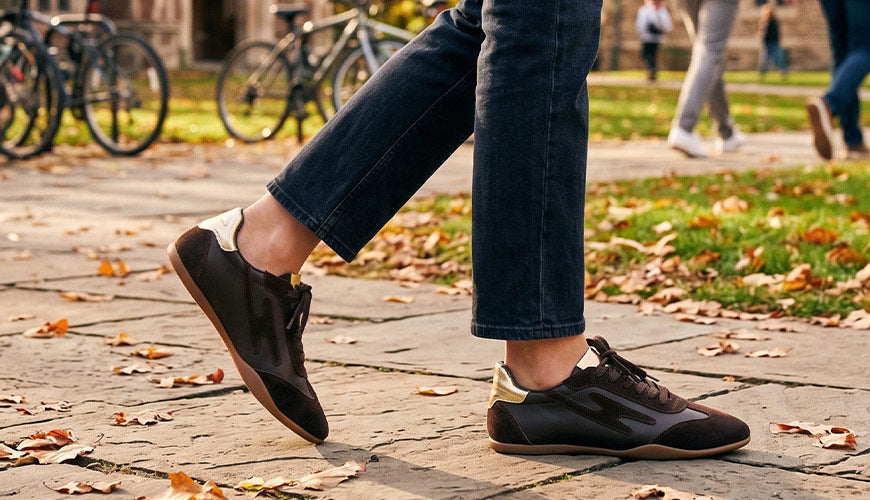
- Le sneaker robuste in pelle sono ideali per le lunghe distanze: assicurati però che la suola esterna sia spessa e che il tallone sia ben sostenuto (alcuni modelli alla moda sono bellissimi, ma si consumano rapidamente).
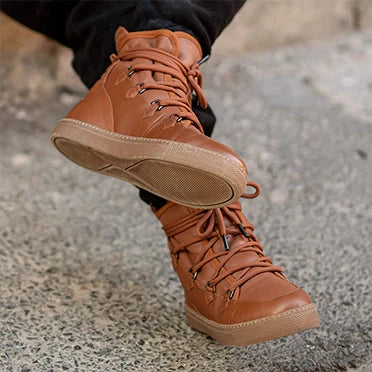
- Le scarpe in pelle con lacci sono adatte all'uso quotidiano se vuoi un aspetto più elegante per seminari o tirocini.
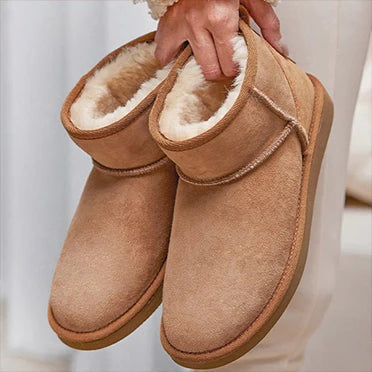
- Gli stivaletti sono popolari in autunno e inverno perché mantengono i piedi caldi e asciutti meglio delle scarpe basse.
Lavoro part-time e tirocini: affidabilità prima della varietà
Per le giornate trascorse in piedi, camminando su pavimenti duri o passando dall'interno all'esterno, scegli una base stabile: un contrafforte ben sostenuto, una buona suola esterna e un sottopiede comodo e sostituibile. Evita le scarpe con solo una schiuma molto morbida: all'inizio sono comode, ma con l'uso quotidiano perdono rapidamente la forma.
Non sacrificare le tue «scarpe per domani» per le serate fuori
Indossa il tuo paio di tutti i giorni per gran parte della settimana e riserva un altro paio agli eventi sociali, che non devono resistere a cinque giorni di pendolarismo. Anche una rotazione occasionale fa durare più a lungo le scarpe.
Ciò che resiste davvero alle condizioni del Regno Unito
Il materiale della tomaia influisce sia sulla durata sia sulla manutenzione necessaria.
Pelle liscia: lunga durata con la giusta cura
Spesso si sceglie la pelle liscia perché dura più a lungo di molti materiali. Resiste meglio ai graffi rispetto a molti tessuti, può essere pulita e trattata, e con il tempo mantiene un aspetto curato se viene sottoposta alla giusta manutenzione.
Attenzione a: la pelle può irrigidirsi e screpolarsi nel tempo se si asciuga troppo spesso (asciugandola sul termosifone senza applicare prodotti condizionanti), mentre le tomaie in pelle molto sottile possono formare pieghe profonde e perdere più rapidamente la forma.
Camoscio e nabuk: resistenti, ma hanno bisogno di protezione
La pelle scamosciata può durare a lungo, ma ha bisogno fin da subito di una protezione idrorepellente, di una spazzola per camoscio per la cura regolare e di un intervento rapido dopo gli schizzi d’acqua (tampona, lascia asciugare naturalmente, poi spazzola di nuovo). Puoi comunque indossare il camoscio sull’erba bagnata, nei parchi fangosi o sotto la pioggia frequente: devi solo essere più diligente con la protezione.
Tomaie in tessuto: leggere e traspiranti, ma la qualità varia
I tessuti possono essere molto comodi, ma la durata dipende fortemente dalla qualità delle cuciture, dal supporto aggiuntivo intorno alla punta e al tallone e dalla resistenza della suola esterna (spesso la prima parte a cedere). Quando scegli una scarpa da ginnastica in tessuto per l’uso quotidiano, osserva la suola esterna e la struttura del tallone, non solo la tomaia.
Suole e costruzione: dove iniziano la maggior parte dei “cedimenti economici”
Due paia possono sembrare identici su uno scaffale, ma comportarsi in modo molto diverso dopo sei settimane.
Cosa cercare nel materiale della suola esterna
- Le suole esterne in gomma affrontano generalmente bene i marciapiedi bagnati e l’uso intenso.
- Le suole alla moda molto sottili si consumano rapidamente se cammini molto.
- Le suole più spesse non sono sempre migliori, ma durano più a lungo sulle superfici ruvide.
Perché è importante distinguere tra incollaggio e cucitura
Alcune scarpe moderne sono incollate, altre sono anche cucite. L’incollaggio può essere valido se eseguito bene, ma se è fatto male noterai presto il “distacco” sulla punta o sui lati. Un buon consiglio: osserva la linea in cui tomaia e suola si incontrano; se appare già irregolare, non è un buon segno. Per approfondire la costruzione e la durata, vale la pena leggere il nostro articolo su quanto durano le buone scarpe in pelle.
Piccoli dettagli che prolungano la durata
- Un rinforzo sulla punta (o semplicemente un puntale ben strutturato) è utile se urti i gradini con la punta.
- Un contrafforte rigido aiuta le scarpe a mantenere la forma e a usurarsi in modo uniforme.
- Un plantare sostituibile ne prolunga la durata se l’interno si comprime prima che l’esterno mostri segni di usura.
Prima di tutto la calzata: il modo migliore per far durare più a lungo le scarpe
Le scarpe che non calzano bene si consumano rapidamente e modificano il modo in cui cammini, consumando le suole in modo irregolare.
La tua checklist per la calzata da studente (due minuti)
- Prova le scarpe più tardi durante la giornata (di solito i piedi sono leggermente più grandi).
- Indossa i calzini che userai davvero per la scuola o l’università.
- Stai in piedi, cammina e, se puoi, sali le scale.
- Controlla il movimento del tallone: un po’ è normale, ma uno scivolamento costante consuma il rivestimento del tallone.
- Controlla lo spazio per le dita: devi poterle muovere, soprattutto se cammini molto.
- Presta attenzione immediatamente ai punti di pressione. La “rodata” dovrebbe ammorbidire una scarpa, non correggerne la taglia.
Quando sono utili i plantari e il supporto?
Alcuni studenti aggiungono dei plantari per maggiore comfort. Può funzionare, ma controlla che la scarpa calzi ancora bene dopo averli inseriti: se diventa troppo stretta, potresti creare nuovi punti di attrito e accelerare l’usura.
La regola della rotazione: perché due paia sono meglio di un paio “perfetto”
Se puoi permettertelo, due paia sono generalmente la soluzione ideale: il Paio A per la maggior parte dei giorni, il Paio B per le giornate piovose, quelle più eleganti o quando il primo paio è ancora asciutto. La rotazione è utile perché le scarpe hanno bisogno di tempo per asciugarsi all’interno, recuperare la forma e liberarsi degli odori accumulati. Se acquisti un solo paio, presta ancora più attenzione all’asciugatura e alla cura.
Cura e protezione: routine semplici per studenti che richiedono pochi minuti
Non ti serve un kit complicato: ti serve costanza.
Proteggile una volta prima dell’inizio del semestre
- Pelle liscia: puliscila delicatamente, applica il balsamo se necessario, poi aggiungi un prodotto protettivo adatto.
- Pelle scamosciata o nabuk: spruzza un prodotto idrorepellente prima di indossarle per la prima volta, poi riapplicalo occasionalmente.
Il metodo di asciugatura senza danni dopo una giornata piovosa
- Rimuovi le solette, se possibile.
- Apri la scarpa e allenta i lacci.
- Imbottiscile con carta (non con pagine lucide di riviste) per assorbire l’umidità.
- Asciuga a temperatura ambiente, lontano da termosifoni e fonti di calore diretto.
- Una volta asciutta, nutri leggermente la pelle liscia oppure spazzola di nuovo la pelle scamosciata.
Cinque minuti di manutenzione settimanale
- Pulisci la pelle liscia con un panno umido, lasciala asciugare, poi applica un po’ di balsamo quando necessario.
- Spazzola la pelle scamosciata per rimuovere la polvere e sollevare il pelo.
- Controlla le suole per individuare un’usura irregolare: accorgersene presto evita che un piccolo problema diventi un problema che “obbliga a sostituirle”.
Per una routine più completa dedicata alla pelle, i nostri consigli per mantenere i mocassini come nuovi coprono gli aspetti essenziali.
Errori comuni degli studenti (così non dovrai commetterli anche tu)
- Indossare lo stesso paio ogni giorno sotto la pioggia: è il modo più rapido per ritrovarsi con cattivi odori, solette schiacciate e una struttura più debole.
- Riscaldare le scarpe per asciugarle rapidamente: termosifoni e asciugacapelli seccano la tomaia e indeboliscono alcuni adesivi.
- Comprare “strette adesso, perfette dopo”: una leggera sensazione di strettezza può attenuarsi, ma i punti di pressione dolorosi raramente scompaiono: diventano vesciche.
- Scegliere la suola più alla moda per una vita con molti chilometri: le suole molto sottili e molto morbide, pensate per la moda, fanno fatica a reggere gli spostamenti quotidiani. Riservale ai giorni in cui cammini meno.
Una checklist per gli acquisti di inizio anno scolastico da salvare con uno screenshot
- Quanti chilometri percorri a piedi ogni settimana (pochi, medi, molti)?
- Hai bisogno di giornate “eleganti” — uniforme, tirocini, presentazioni?
- Cammini spesso sotto la pioggia?
- Priorità: aderenza, spessore della suola, supporto del tallone, facilità di pulizia.
- Calzata: i tuoi calzini abituali, spazio per le dita, minimo slittamento del tallone.
- Piano di cura: proteggile prima di indossarle e asciugale correttamente.
- Rotazione: puoi aggiungere un secondo paio più avanti durante il semestre?
Come ottenere un valore migliore senza spendere troppo
Se devi rispettare un budget (chi non lo fa?), investi “bene” in una suola più resistente, un tallone meglio strutturato e un materiale che puoi mantenere pulito, soprattutto se vai ogni giorno al lavoro o a scuola.
Poi riduci gli extra: dettagli legati alle tendenze, colori stagionali che non si abbinano alla maggior parte degli outfit e scarpe adatte a una sola situazione. Invece di costringere un unico paio a fare tutto, può essere più economico acquistare un paio solido per tutti i giorni e un paio più economico per le occasioni. Se stai valutando di spendere di più all’inizio, il nostro articolo su costo e comfort a lungo termine analizza la questione.
Domande frequenti (FAQ)
Di quante paia di scarpe ha davvero bisogno uno studente?
Molti studenti si trovano meglio con due paia: uno per l’uso quotidiano e uno per le occasioni, le giornate piovose o un look più elegante. Un solo paio può bastare, ma di solito si consuma più rapidamente.
Le scarpe in pelle sono adatte agli studenti che camminano molto?
Sì, soprattutto con una suola robusta e la misura giusta. La pelle è anche facile da mantenere, il che aiuta a farla durare per tutto il semestre.
Cosa dovrei cercare in una suola che duri a lungo?
Controlla che abbiano uno spessore adeguato, una buona aderenza e un punto di flessione vicino all’avampiede. Le suole molto sottili tendono a consumarsi rapidamente sui marciapiedi. La nostra guida ai materiali delle suole spiega le differenze.
Come posso evitare che le scarpe prendano cattivo odore durante il semestre?
Se puoi, alterna i paia, lascia asciugare completamente le scarpe e rimuovi le solette per farle arieggiare. Anche i calzini traspiranti sono utili.
La pelle scamosciata è una scelta inadatta per l’autunno e l’inverno nel Regno Unito?
Non necessariamente, ma richiede cura e protezione. Se stai spesso fuori sotto la pioggia battente, la pelle liscia è generalmente più facile da mantenere in buone condizioni.
Gli studenti dovrebbero comprare scarpe impermeabili?
Le caratteristiche idrorepellenti sono utili, ma la durata dipende dalla costruzione e dalla cura. Anche le scarpe idrorepellenti devono essere asciugate correttamente dopo essersi bagnate.
Come faccio a capire se le scarpe sono troppo piccole?
Se senti che le dita sono strette, avverti intorpidimento o compaiono rapidamente punti di pressione mentre cammini, probabilmente la misura è sbagliata. Le scarpe dovrebbero risultare stabili, non strette.
Posso far durare più a lungo un paio economico?
A volte. Asciugarle correttamente, pulirle regolarmente e alternarle può prolungarne molto la durata. Tuttavia, non puoi compensare completamente suole fragili e incollaggi scadenti con la sola cura.
Quali sono le scarpe migliori per gli open day e la settimana delle matricole?
Dai la priorità al comfort e al sostegno durante la camminata. Starai in piedi più di quanto immagini e il clima del Regno Unito può cambiare rapidamente.
Quando dovrei sostituire le scarpe durante l’anno?
Quando la suola esterna è consumata, la scarpa diventa instabile oppure l’interno rimane compresso e scomodo anche dopo essere stato lasciato riposare e asciugare. Risolvere subito i piccoli problemi evita che diventino più seri in seguito.
Per le lezioni sono meglio le scarpe da ginnastica o le scarpe classiche?
Entrambe le opzioni possono andare bene. Le scarpe da ginnastica sono utili per camminare molto; un robusto modello in pelle con lacci o un mocassino è adatto se vuoi un look più elegante per alcuni corsi o lavori.
Qual è il modo più rapido per rovinare un paio di scarpe?
Due delle cause più comuni dell’usura precoce sono farli asciugare a contatto diretto con il calore dopo la pioggia e indossare sempre lo stesso paio.