

A Quick Summary
- Do a wardrobe audit: keep what fits and looks good, tailor what's close, and let go of the rest.
- Start with 2–3 base colours for a "work capsule," then add one accent colour for interest.
- Put shoes first: they set the tone for an outfit and make the biggest difference to UK commute comfort.
- Choose office shoes based on your job and routine — desk days, client meetings, and long commutes all need different features.
- Look for supportive insoles, stable soles, quality uppers, and finishes that handle rain and pavements.
- Refresh outfits easily: a sharper trouser shape, a neater knit, or a polished loafer can make everything look new.
- Avoid common mistakes: impulse-buying shoes, wearing heels that hurt, and shoes that can't cope with wet weather.
- Protect your investment: rotate shoes, dry them properly, condition leather, and use a weather protector when it rains.
- Make a list before you shop. Replace the 1–2 weakest items first (usually shoes and outerwear), then fill the gaps.
What "Back to Office" Looks Like in 2026
For many of us in the UK, office work now means a schedule somewhere between full-time desk days and flexible hybrid working. That changes what a "work wardrobe refresh" means. You don't need five formal outfits for the office, the commute, and bad weather — but you do need clothes that make you feel smart, comfortable, and secure.
The 2026 goal is clear: fewer things, better choices. Instead of stiff, think polished. Instead of fussy, think practical. When your clothes are built for real life rather than one hour, you'll notice the difference walking between meetings, commuting, or heading out for lunch.
A refresh is also a confidence boost. It's not a reinvention — it's a reset. You should be able to get dressed quickly, feel like yourself, and look put together without overthinking it.
Do the Wardrobe Audit First (It Saves Money Long-Term)
Spend 45 minutes sorting things with a clear method before you buy anything. The goal is to spot gaps and avoid buying duplicates.
The Four-Pile Method
- Keep (ready now): fits well, in good shape, works for your current job.
- Tailor (worth fixing): great fabric, almost-perfect fit, but needs a hem, waist, or sleeves adjusting.
- Fix or refresh: needs a button, de-bobbling, re-soling, polish, or a good clean.
- Let go: if it doesn't fit, is uncomfortable, or you haven't worn it in a year.
A Quick Fit-and-Function Checklist
While trying things on, ask:
- Can I easily sit, walk, and climb stairs in it?
- Will it work with at least three other things I own?
- Is it right for my normal workday — meetings, commuting, and temperature changes?
- Would I wear it tomorrow if I had to go in without warning?
A small tailoring budget often delivers a bigger upgrade than a bag of new clothes.
What Is a Work Capsule Wardrobe?
A work capsule wardrobe is a small, flexible set of clothes that mix and match easily, so you can make many office-ready outfits from just a few pieces.
You don't buy "outfits" — you buy building blocks: trousers that go with many tops, a blazer that works with dresses, shoes that elevate casual clothes, and outerwear that finishes the look. This works especially well for hybrid work because you can scale the set up or down by day.
A Practical Work Capsule for UK Office Life
A strong base includes:
- Two pairs of work trousers, one dark and one mid-tone.
- One smart skirt or alternative — a tailored culotte, wide-leg trouser, or midi dress.
- 2–3 layerable tops: a shirt, fine knit, or structured tee.
- One tailored jacket or blazer.
- One knitted layer — a cardigan or jumper that fits neatly under a coat.
- One weather-ready coat: a trench, mac, or wool coat depending on the season.
- Two pairs of office shoes, plus one commute-friendly pair.
If your office is more formal, lean into tailoring. If it's more casual, keep the same shapes but choose softer fabrics and simpler cuts.
Update the Foundations: Colour, Fabric, and Proportion
Three basic changes can modernise your wardrobe without chasing trends.
Choose a Base Colour, Then an Accent
Black, navy, charcoal, cream, and taupe do the most work in most UK offices. Pick two base colours you already wear, then add one accent you love — burgundy, forest green, soft blue, or a warm tan in accessories. The key is consistency: if your shoes, bag, and belt share a colour family, even simple outfits look planned.
Fabric: Small Upgrades Read as "Smart"
Fabric quality shows under office lighting. Focus on knits that hold their shape (not too thick, not too thin), shirts that don't go see-through under bright lights, trousers with enough structure to keep a clean line, and natural, breathable fabrics that layer well.
Proportion: Modernise What You Already Own
To update your look for 2026, balance fitted with relaxed. If your trousers are slimmer, wear a slightly looser blazer. If your trousers are wider, go for a neater knit or a tucked-in shirt. If you always wear midi skirts, try a more streamlined shoe so you don't feel "heavy" from knee to ankle.
Shoes: The Fastest Way to Look "Back to Office"
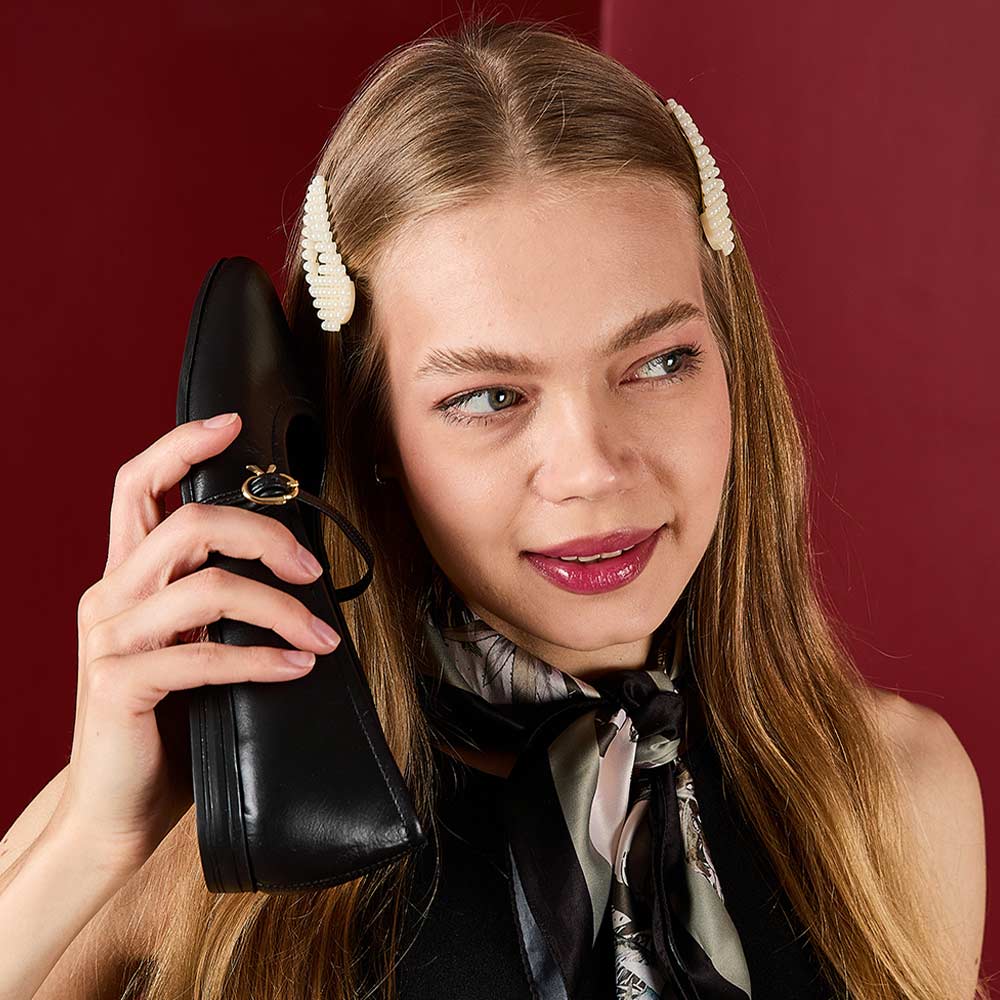
Footwear is the most important part of a wardrobe refresh. Shoes set the tone of an outfit, carry you through the commute, and affect your posture and comfort over long days.
Good office shoes shouldn't feel fragile — they should feel secure. Flimsy soles and slippery heels don't cope with UK pavements, station stairs, or rain.
Office Shoe Types That Earn Their Place
Think in roles rather than labels.
The polished everyday pair:
- Loafers — sleek, easy, great for smart-casual.
- Brogues or Derbies — smart with tailoring, and work with jeans on casual days.
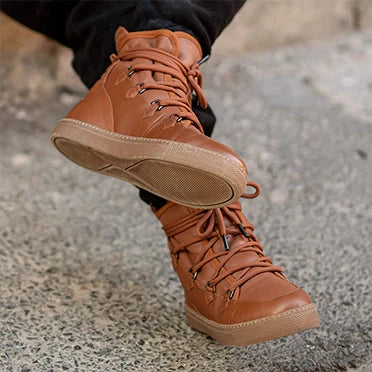
- Simple ankle boots — a winter essential that works with trousers and dresses.
The meeting-day upgrade: a more polished leather shape, subtler details, and a slightly more formal finish; a stable heel or a refined flat that looks intentional, not like a compromise.
The commute-friendly option: if you walk a lot or take public transport, prioritise comfort and grip. A shoe can be smart and practical at once with a supportive insole, a stable grippy sole, a snug heel fit, and rain-ready materials and finishing.
How to Pick Work Shoes That Still Feel Good at 4 p.m.
Style matters, but comfort is what makes shoes favourites rather than dead weight.
Fit: Don't "Hope" Leather Fixes a Bad Size
Leather softens with wear, but it won't magically change length or reshape a too-tight toe box. When trying shoes on, your heel should feel held (not slipping), your toes should have room to move, and you should be able to walk briskly without changing your stride. If you're between sizes, check width and instep, not just length.
Sole: The Small Thing That Makes a Big Difference
A thin, smooth sole is punishing on a rainy commute. Look for soles with some texture and enough thickness to cushion pavement impact — this often improves durability too. Our sole material guide explains what to look for.
Upper and Finish: Pick What Suits Your Days
- Smooth leather is easier to clean after a rainy walk and often looks sharper.
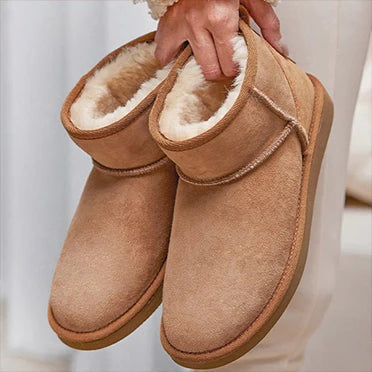
- Suede can look great for work but usually needs more care and protection.
- If you're hard on shoes (lots of walking, busy days, outdoor lunches), choose finishes that don't show every mark.
Heel Height: Stable Beats Dramatic
A small, stable heel can be better for long days than a completely flat, unsupportive shoe. If you like heels, consider a block heel, a wider base, and a shape that feels secure on stairs. If you rarely wear heels, start with a low, stable height to build confidence. Our guide on flats vs loafers for all-day comfort compares the options in detail.
Outfit Ideas That Make Mornings Easier
You want outfit "templates" you can repeat without getting bored when your diary is full.
Formula 1: Tailored Trousers + Knit + Loafers
There's a reason this is the hybrid-work uniform. It looks good on video calls, works for the commute, and copes with temperature swings. Swap the knit for a shirt when you need to look more formal.
Formula 2: Midi Dress + Blazer + Ankle Boots
Great for quick-dressing days. The blazer adds shape; the boots keep it grounded and weather-ready.
Formula 3: Dark Denim (If Allowed) + Smart Top + Polished Shoes
Shoes and tops are usually what separate "weekend denim" from "office denim." Keep the denim dark and simple, then choose a more polished shoe.
One easy way to make these formulas feel like "you" is to add a signature element — a favourite colour, shape, or accessory.
In the UK, People Notice Coats and Bags Most
For half the year in the UK, your coat is part of your outfit. If your work clothes feel dated, your outerwear may be the culprit.
A Smart Coat That Handles Real Weather
- A trench or mac for wet, mild days.
- A wool coat for the winter months.
- A lighter layer for late spring and early autumn.
Check for useful features: secure pockets, a well-fitting collar, and enough room for a blazer underneath without pulling at the shoulders.
The "Office Bag" Test
Your work bag needs to hold everything for the day. Check for laptop/tablet space (if needed), comfortable straps, a secure closure for public transport, and an interior that stays tidy. For a cleaner look, match your shoes and bag colour — it makes even simple outfits look put together.
Mistakes People Make When Refreshing Work Clothes
- Buying for an imaginary version of your week: don't build a five-day formal rotation if you go in twice. Buy for your actual schedule, then add one or two extras for variety.
- Choosing shoes on looks alone: a pretty shoe that hurts is wasted money. Most people revert to the comfortable pair while the "pretty" ones sit unused.
- Ignoring the commute: your clothes need to handle walking, trains, and wet pavements — without dressing like you're hiking to work.
- Forgetting care and protection: basic care keeps a new wardrobe looking good longer. If you don't have leather-care basics, add them to your list.
Keep Leather and Suede "Office-Ready" with Simple Steps
Even with simple clothes, well-kept shoes and accessories make an outfit look expensive.
A Quick Weekly Shoe Routine
- Wipe off surface dirt with a soft cloth after wearing.
- If shoes get wet, let them air-dry naturally (not in direct heat).
- Use shoe trees if you have them, especially for leather shoes.
- Condition leather occasionally to keep it supple.
- Reapply a weather protector when the seasons change.
What to Do After a Wet Commute
- Lightly stuff shoes with paper to absorb moisture.
- Let them dry at room temperature.
- Once dry, clean and condition leather, or brush suede.
Avoid hairdryers and radiators — fast heat dries things unevenly and can cause cracking over time. For a full routine, our care tips for keeping loafers looking new covers the essentials.
A Realistic "Back to Office 2026" Shopping List
Replace the weakest links first if you want a noticeable refresh without overspending.
The Five Most Important Upgrades
- Shoes: one everyday pair and one that handles bad weather.
- A smarter coat: because it's what people see most.
- A better knit or shirt that layers well.
- Clean-line trousers: flattering, comfortable, and practical.
- A day-organising bag: useful, secure, and smart.
If you're investing in leather that will last, our article on how long good leather shoes last can help you choose wisely.
Frequently Asked Questions (FAQ)
How can I refresh my work clothes without buying loads of new things?
Fit and styling come first: get trousers that fit, switch to a nicer knit, and update your shoes. Change small things on the "edges" — shoes, coats, bags — to make outfits look new quickly.
What are the best shoes for UK office work?
Loafers or ankle boots with supportive insoles and grippy soles are often great choices. Look for a secure heel fit and rain-ready finishes.
Are loafers still office-appropriate in 2026?
Yes. Loafers fit modern UK dress codes well, especially clean styles in a polished material.
Can I wear trainers to work?
It depends on your workplace. If trainers are allowed, keep them simple, clean, and tidy. In more formal settings, a loafer or Derby usually looks more professional.
How many pairs of work shoes do I really need?
Most people do well with two: one everyday pair and one for weather or season. If you go in more often, a third "meeting-day" pair helps.
How do I stop work shoes rubbing in the first few wears?
Get the right fit first, then break them in slowly — wear them indoors for short periods, use socks if the style allows, and don't wear brand-new shoes for a full day.
What colours work best for a work capsule?
Black, navy, charcoal, tan, and cream usually combine best. Choose two base colours you already wear and build around them.
What's the best way to care for leather work shoes?
Wipe them down and air-dry if wet. Condition occasionally and use a weather protector. Rotating pairs helps them last longer.
What should I wear to the office after a long time working from home?
Aim for "smart but comfortable": tailored trousers, a nice knit or shirt, and well-fitting shoes. Add a structured jacket or blazer to sharpen the look.
How can I make outfits look smarter without feeling overdressed?
Keep the outfit simple, then add one thing: polished shoes, a nicer coat, or a cleaner shape. Matching shoe and bag colours also pulls a look together.
Do I need different shoes for winter work commutes?
Often, yes. In colder, wetter weather, lighter shoes may not cope. Ankle boots or sturdier loafers can be more comfortable in winter.
What's the fastest "one purchase" office upgrade?
Shoes. A good pair instantly makes older clothes look fresh, and they make a bigger difference to all-day comfort than almost anything else.